
There’s still time to register for this inspiring course – don’t miss out!
Register here.
We have entered a new era in the geopolitics of agriculture and rural livelihoods. The decline of the United States’ power, the rise of China, and an assertive stance of Russia, have resulted in a multipolar global order.
In this course, we will interrogate the ways in which geopolitical rivalries manifest themselves and are responded to, in rural areas around the world. Farm fields, as well as pastures and forests, have always been political domains, and the range of actors affecting rural livelihoods has become more diverse and complex in recent decades. It is imperative to weave geopolitics more strongly into analyses of trajectories of social, agrarian, and environmental change.
Using various analytical lenses, and drawing on a rich variety of scholarly and non-academic works, this workshop will explore the rural everyday of geopolitical rivalries. We will depart from the macro-level to the micro-level and back again, to examine whether, how and to what extent transformations in rural livelihood portfolios and land use practices have reflected geopolitical rivalries in recent decades, for instance in terms of the influx and use of technology, crop and seed varieties; changes in production relations; and, farms’ integration into markets. Examining these dynamics, we will discuss a series of questions, including: to what extent are rural actors’ decisions and practices influenced by “grand politics”? Do geopolitics bear more heavily on rural livelihoods in one locality than in another, and if so, why? How or where does intersectionality come into play? How and to what extent have people resisted or reworked external interventions or influences, and, in aiming to understand responses: does it matter who is intervening? These questions will contribute to a better understanding of the extent to which geopolitics is embedded in rural social and agrarian change, and with what result.
The course engages the dialectic of structure and agency and addresses the importance of multi-scalar and comparative research approaches. We will attend not only to the ways in which rural communities have experienced geopolitics, but also to examine how they have responded to changes instigated by macro-level dynamics.
Course coordination & lecturing by Irna Hofman.
Read more in the course guide:
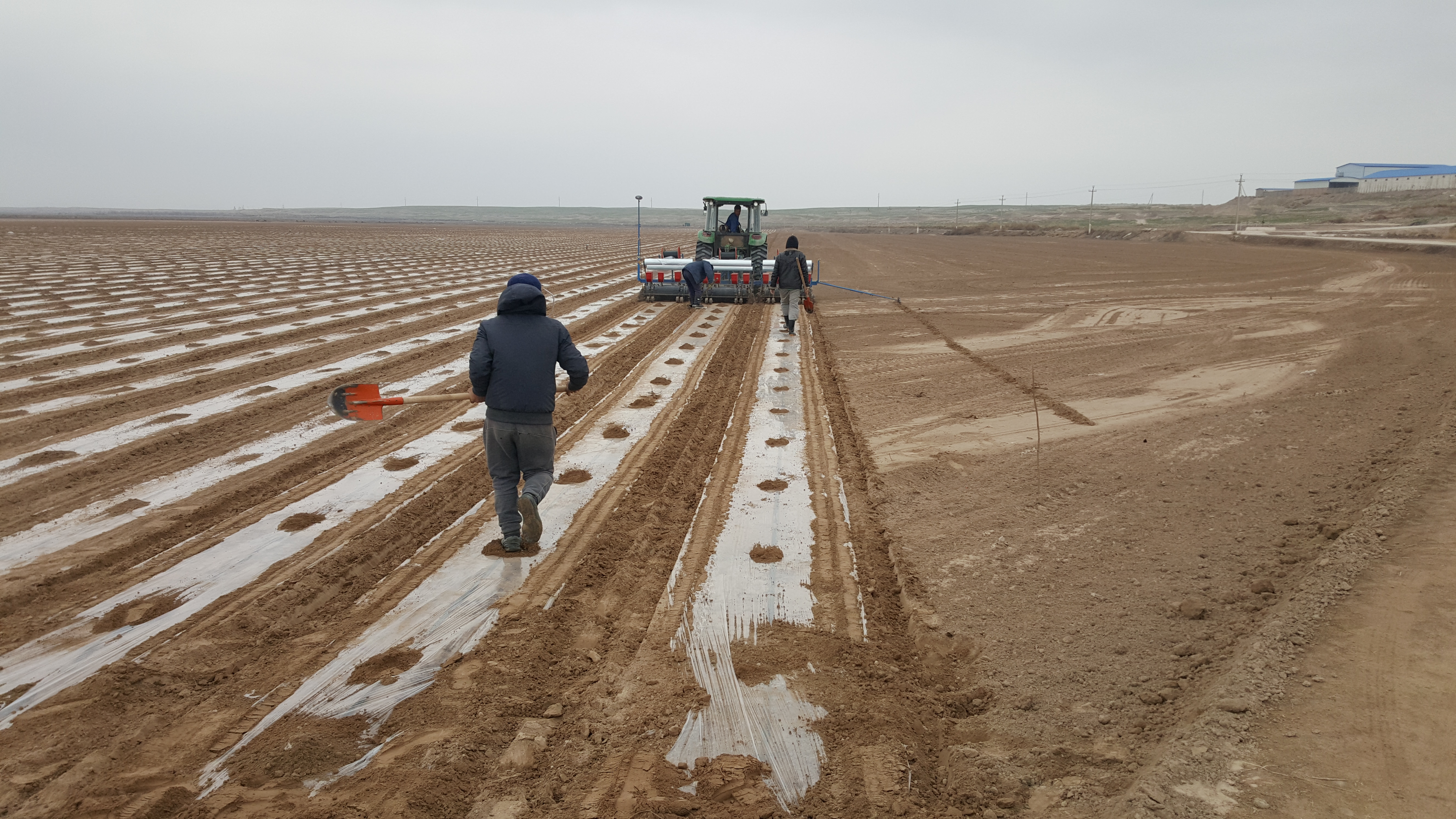
Photo: Irna Hofman, Tajikistan 2020
 Rural Sociology Wageningen University