
This blog was written by Eleni, an alumna of Wageningen University who studied in the MRF program and traveled to Palestine at the end of last year to support the olive harvest. In it, she reflects on her experiences and shares her thoughts on the responsibility of Wageningen University.
While media attention had been focused on the ongoing genocide in Gaza, media coverage has been minimal in covering increased Israeli military incursions and settler violence in the West Bank, which is home to nearly three million Palestinians. Many of them are being forcibly displaced either due to settler violence attacks or the demolition of their homes by Israeli military forces as part of Israel’s ongoing ethnic cleansing plan of the West Bank.
With more than 500,000 Israelis illegally (under international law) living within the West Bank in settlements and outposts, Israeli settlers are encouraged to destroy Palestinian property, olive groves, and kill animals and civilians. This systematic violence is backed by the Israeli government and often occurs under military protection. I experienced a fragment of this violence during my stay in Palestine.
At the end of October 2025, I visited the West Bank together with my friend Claire. We volunteered at the Union of Agricultural Work Committees (UAWC), a Palestinian agricultural organization affiliated with numerous international networks, among them the ‘La Via Campesina’ network. As volunteers, we joined UAWC’s annual olive harvest campaign called “BAQA” (بَقاء), meaning ‘to remain’ in Arabic—expressing steadfastness, rootedness, and resistance against the occupation and colonizer’s violence.
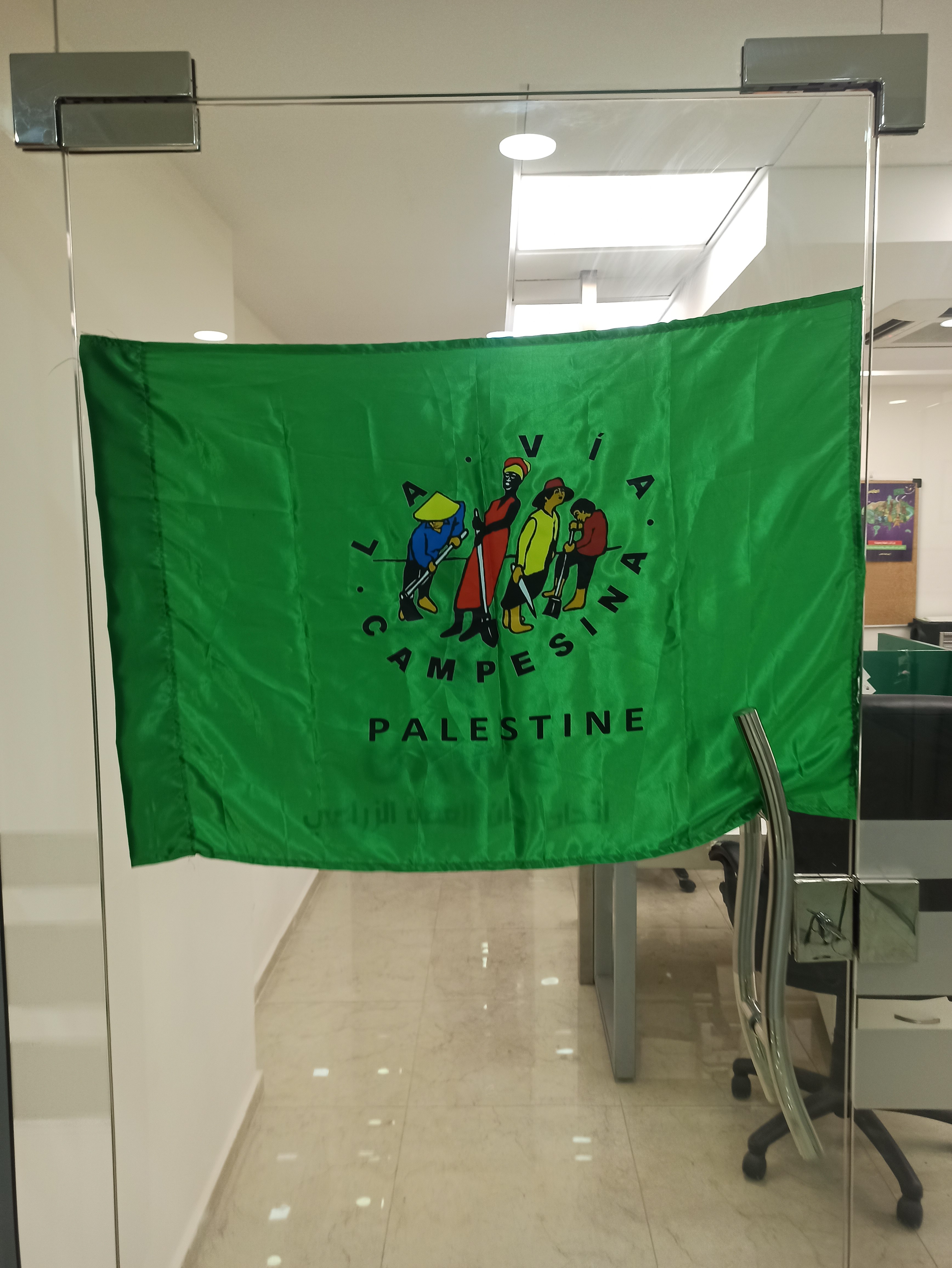
A few days before our arrival in Palestine, 32 foreign activists were deported. The reason for that was participating in the olive harvest with Palestinian farmers. The deported activists were affiliated with UAWC, which since 2021 has been labelled a terrorist organization by the state of Israel. Investigations have shown these accusations to be ungrounded. The deportations shaped how we moved around and worked with the farmers.
Together with other international volunteers, we visited different Palestinian villages. We had all come to Palestine during one of the most crucial agricultural seasons of the year to stand in solidarity with Palestinian farmers. This year’s olive season was particularly dangerous due to the escalating number of attacks by Israeli settlers.
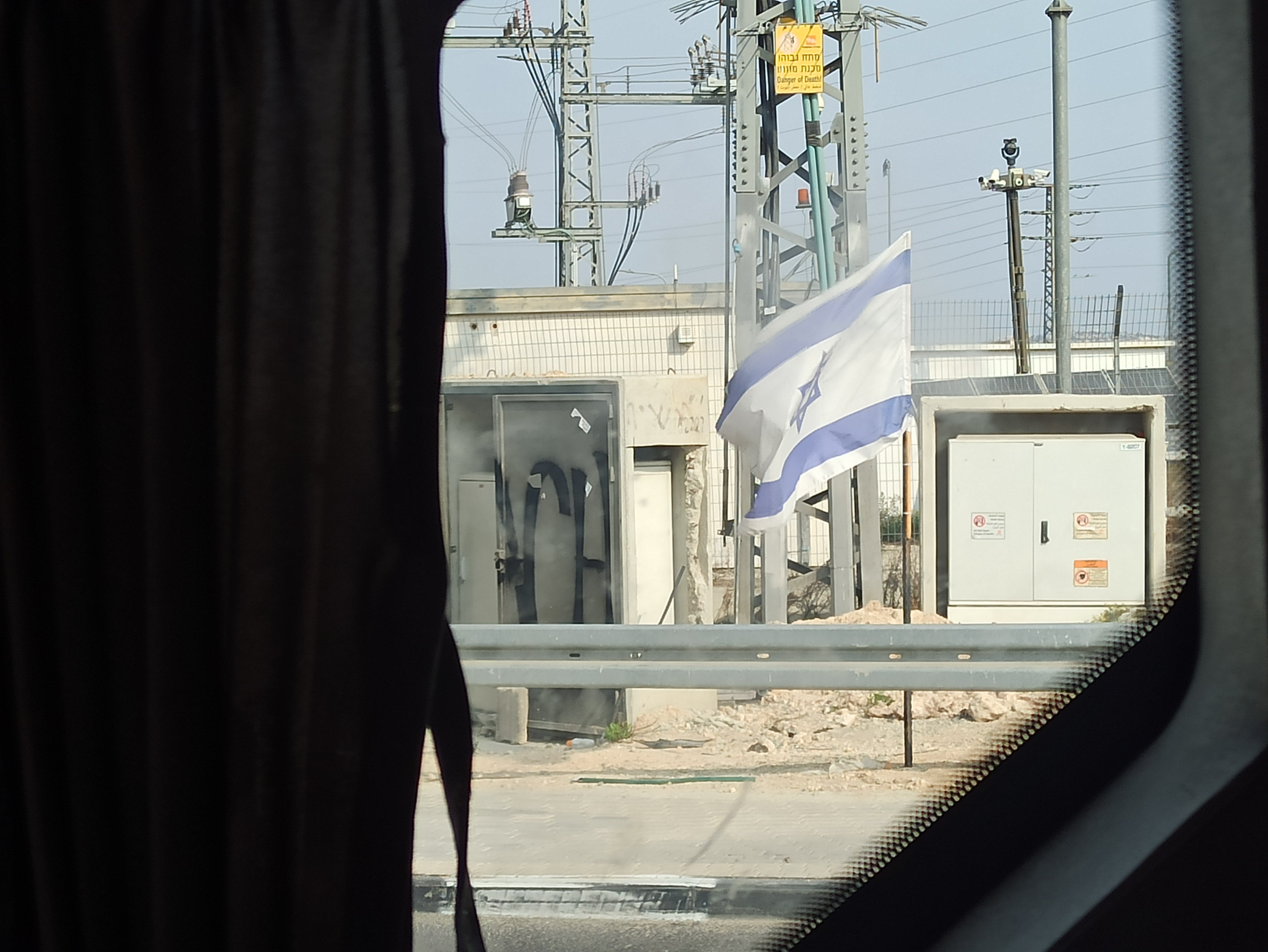
During the harvest, I witnessed and felt the geography of violence and occupation. Settlers attacked us, pushing us off the land as we picked olives. Israeli settlements and illegal outposts are strategically taking over the hilltops, surveilling Palestinian villages from above. Checkpoints and the apartheid wall restricted our movement, while massive Israeli flags dominating highways, hilltops, and Israeli homes were a constant reminder of the occupation. Settler graffiti translating to “No future in Palestine,” written on walls across the streets, was a strong visual message highlighting not only a reality filled with violence but also the escalating creeping annexation of the West Bank.
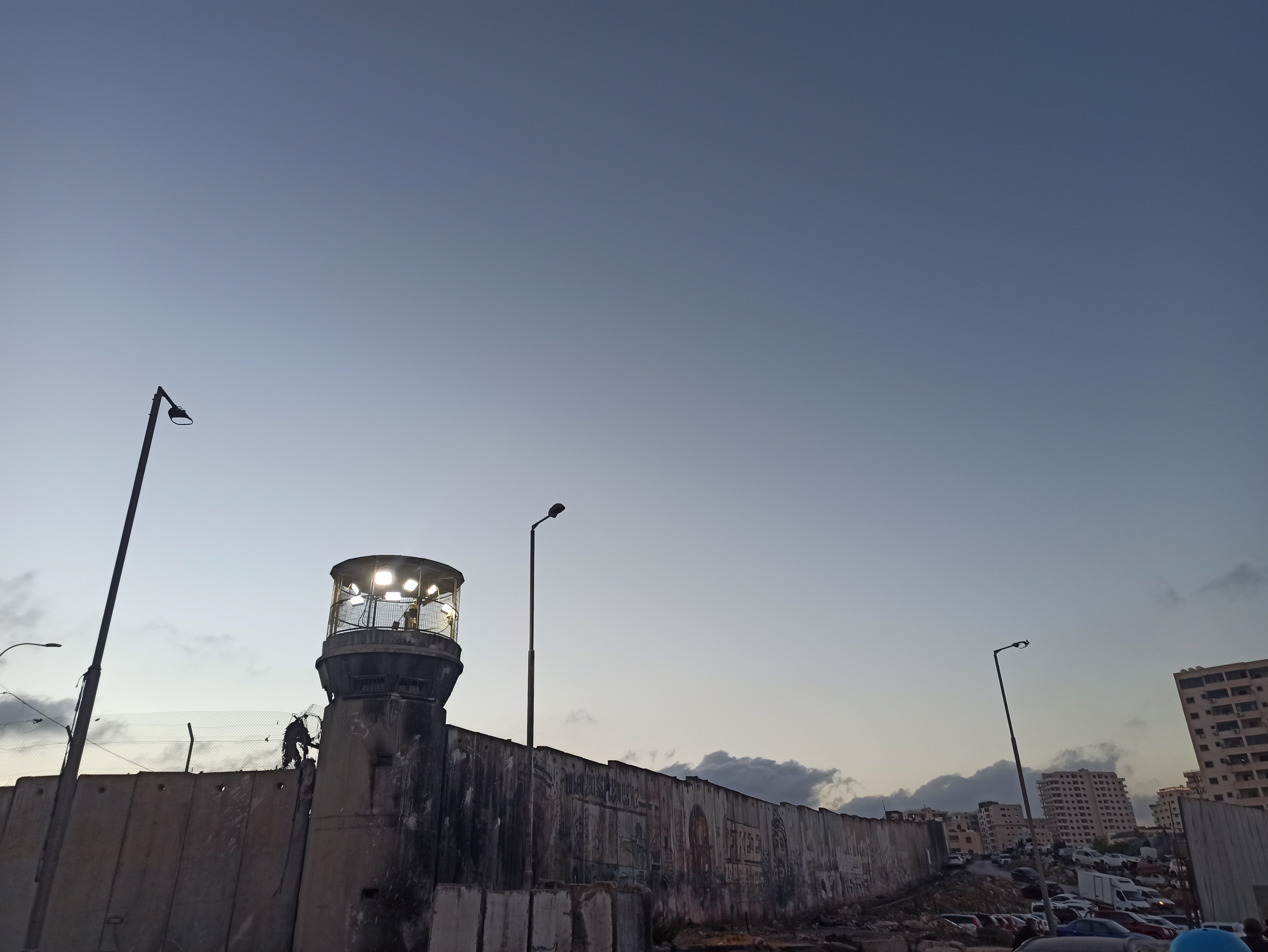
The Israeli occupation situates most Palestinian agricultural and grazing land in Area C, which falls under full Israeli control. We volunteered in olive harvests on lands located in that area that have historically supported Palestinian ways of life. Since the illegal Israeli occupation of the West Bank that began in 1967, many of those lands have been subject to land confiscations. Every year since the expansion of the Israeli occupation, farmers in the occupied West Bank face tremendous threats and violence, restricted access, and land confiscation courtesy of the Israeli state and its settlers.
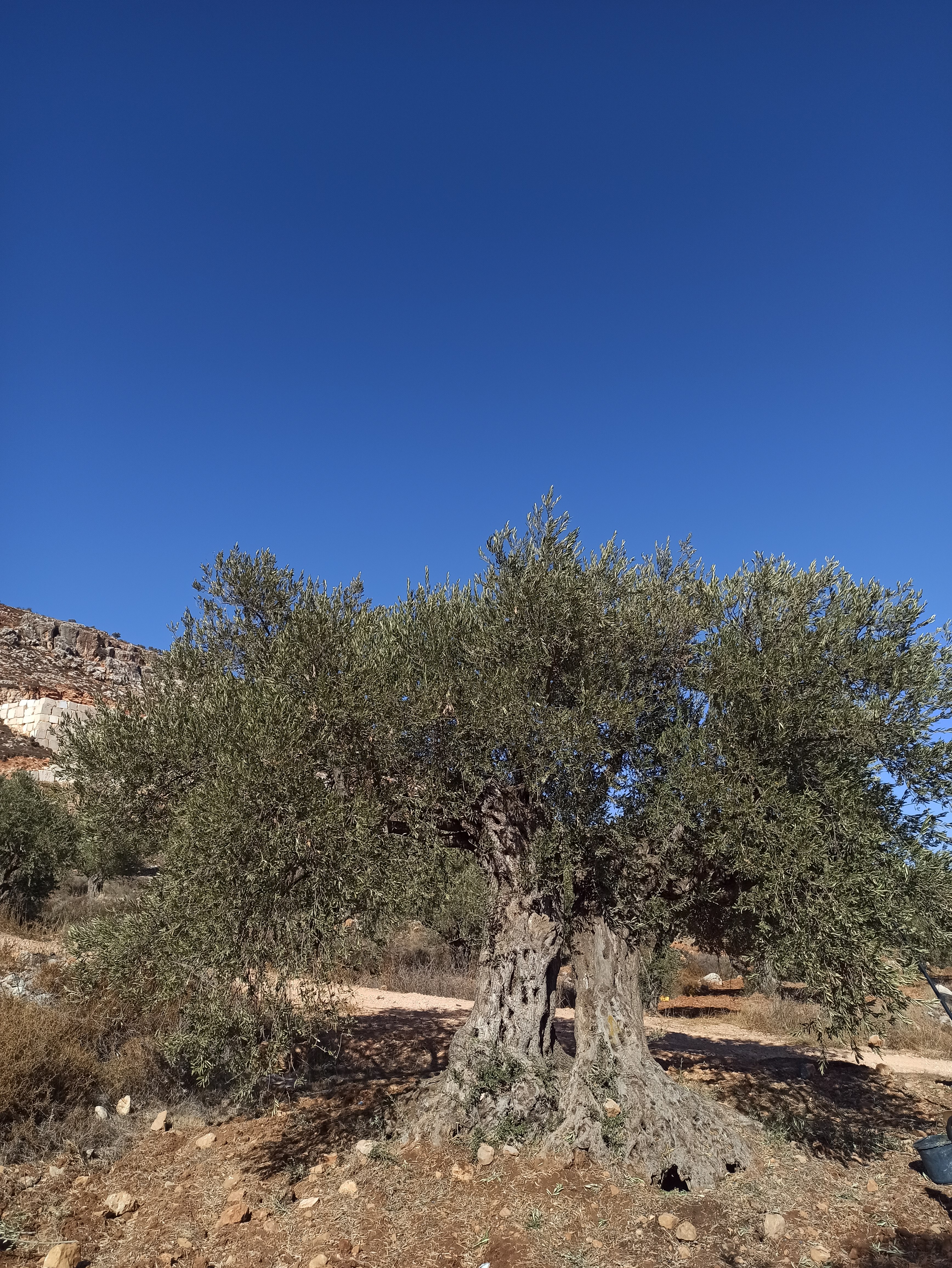
Since 1967, 800,000 olive trees have been uprooted, and tens of thousands have been damaged by violence and forced neglect. During my time in Palestine, I saw whole olive groves disappearing in one night. Palestinian poet Mahmoud Darwish wrote, “No one says to the olive tree: How beautiful you are! But: How noble and how splendid!” It was my first time harvesting olives, and as physically demanding as it was, the sound of the olives dropping on the floor was meditative. Now these trees stand wounded and poisoned by the oppressor, who has no connection to the Palestinian land and wishes to destroy the Palestinian way of life.
The olive harvest is traditionally a time of community. Parents take their children and elders to the fields, enjoying music, food, and working in the fresh air. Olive cultivation is a cornerstone of Palestinian life and economy. It is a celebration of the land, nature, and cultural heritage. Palestinian farmers are intimately connected to their land and their trees. We met farmers who had olive trees hundreds and thousands of years old on their fields. Palestine’s olive groves are a symbol of resilience and cultural heritage.
Many Palestinians have been forcefully displaced and prevented from not only enjoying a time of celebrating nature and culture but also achieving economic self-determination. While in Palestine, we worked with farmers who have been prevented from accessing their land and harvesting their olives. If they tried to do so, they faced horrific consequences from either settlers or the Israeli Occupying Force (IOF). House demolitions, the burning down of houses and facilities, animal killings, uprooting olive trees, harassment, wounding, arrests, and the taking of Palestinian lives are a few of the tremendous results of the Israeli settler-colonial violence Palestinian farmers face.
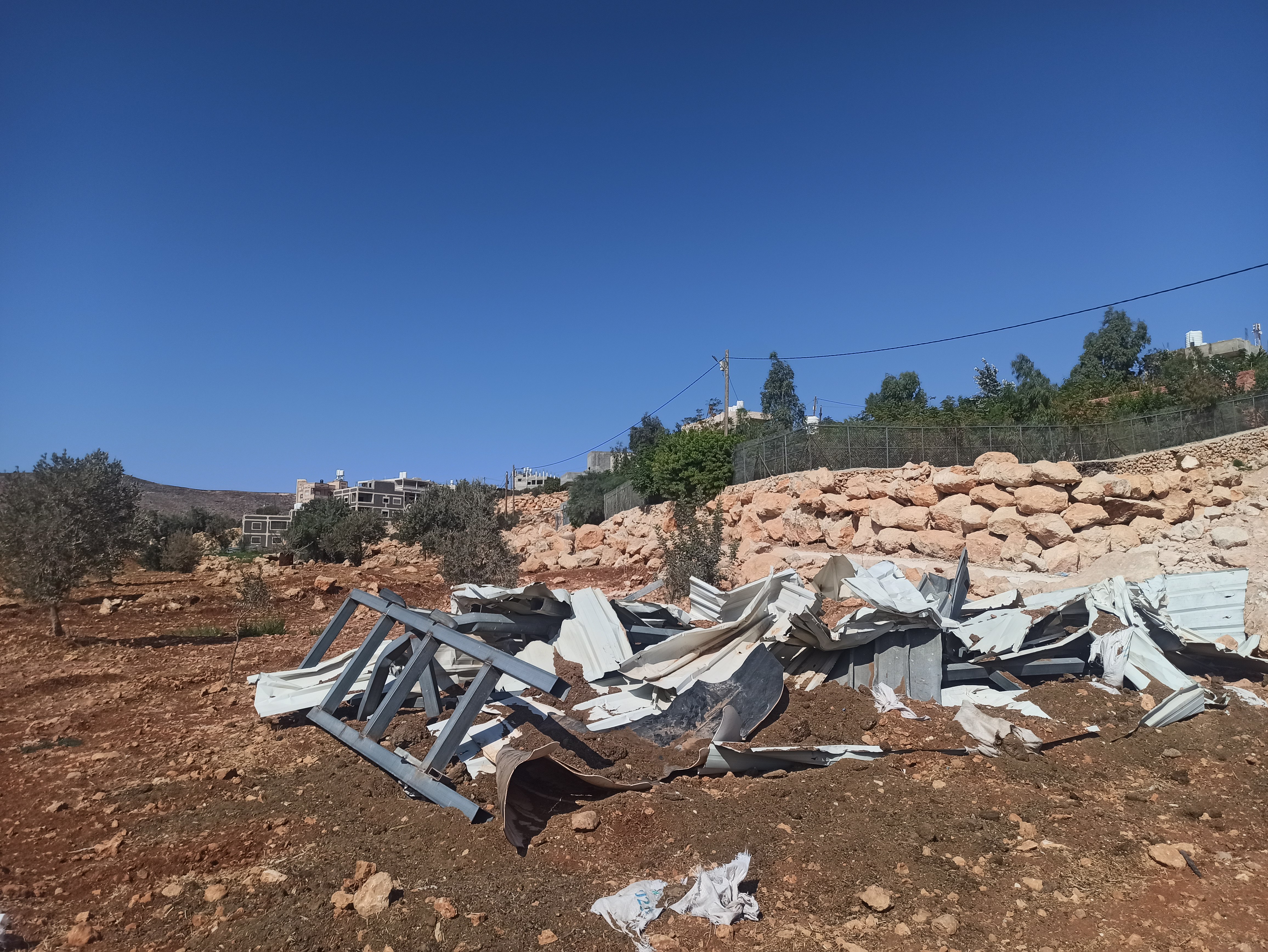
Despite the struggles and obstacles that Palestinian farmers face in the occupied West Bank, they continue resisting by showing care and love for their land. Sumud, or literally translated, “steadfastness,” carries the meaning of a strong determination to stay on the land. As a way of life, Sumud can be viewed as resistance against the occupation interwoven with the preservation of Palestinian identity, culture, customs, and practices. Joy as another form of sumud is essential to overcome the suffering. Through jokes, laughter, and the celebration of their culture, Palestinians maintain their humanity in spite of the dehumanization that the colonizer has imposed.
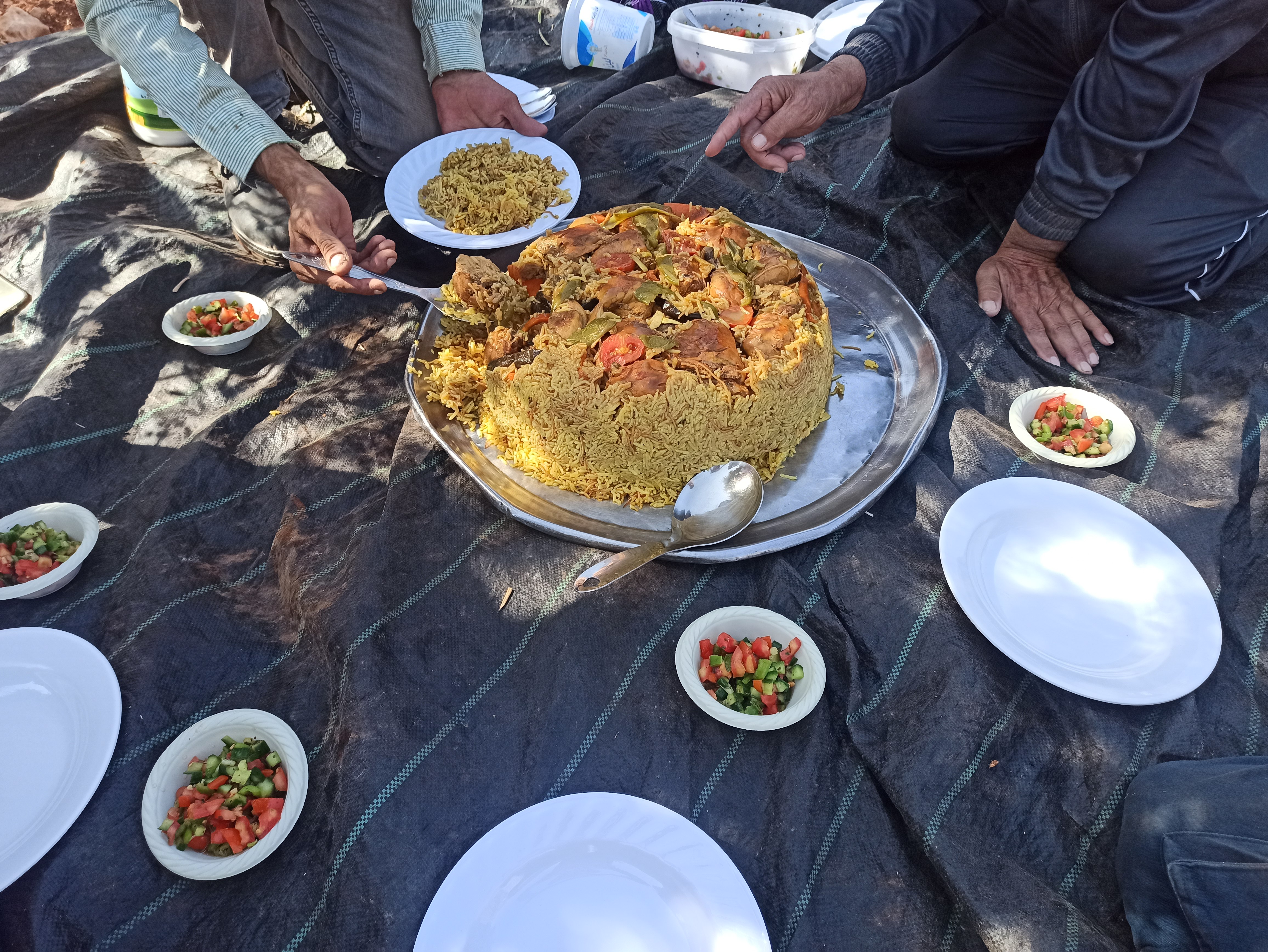
Together with international volunteers and Palestinians, I celebrated the olive harvest, a time of joy and resistance. Climbing olive trees, listening to Fairuz (Palestinians love her), tasting incredible traditional dishes, sharing tea and coffee over fire, playing the card game ‘Hand’ in Palestinian cafés, and learning more about Palestinian culture and history—all expressed a revolutionary joy hard to put into words.
“To exist is to resist” was an expression embodied daily. Sumud carries meaningful values that I believe the Western world can also learn from. As one of UAWC’s representatives reminded us, as non-Palestinians, we also struggle in our countries. Oppressive systems are present all around the world, harming people and nature. Collective liberation is connected to a Free Palestine. By cultivating hope, imagination, and community, we resist capitalism, fascism, and imperialism.
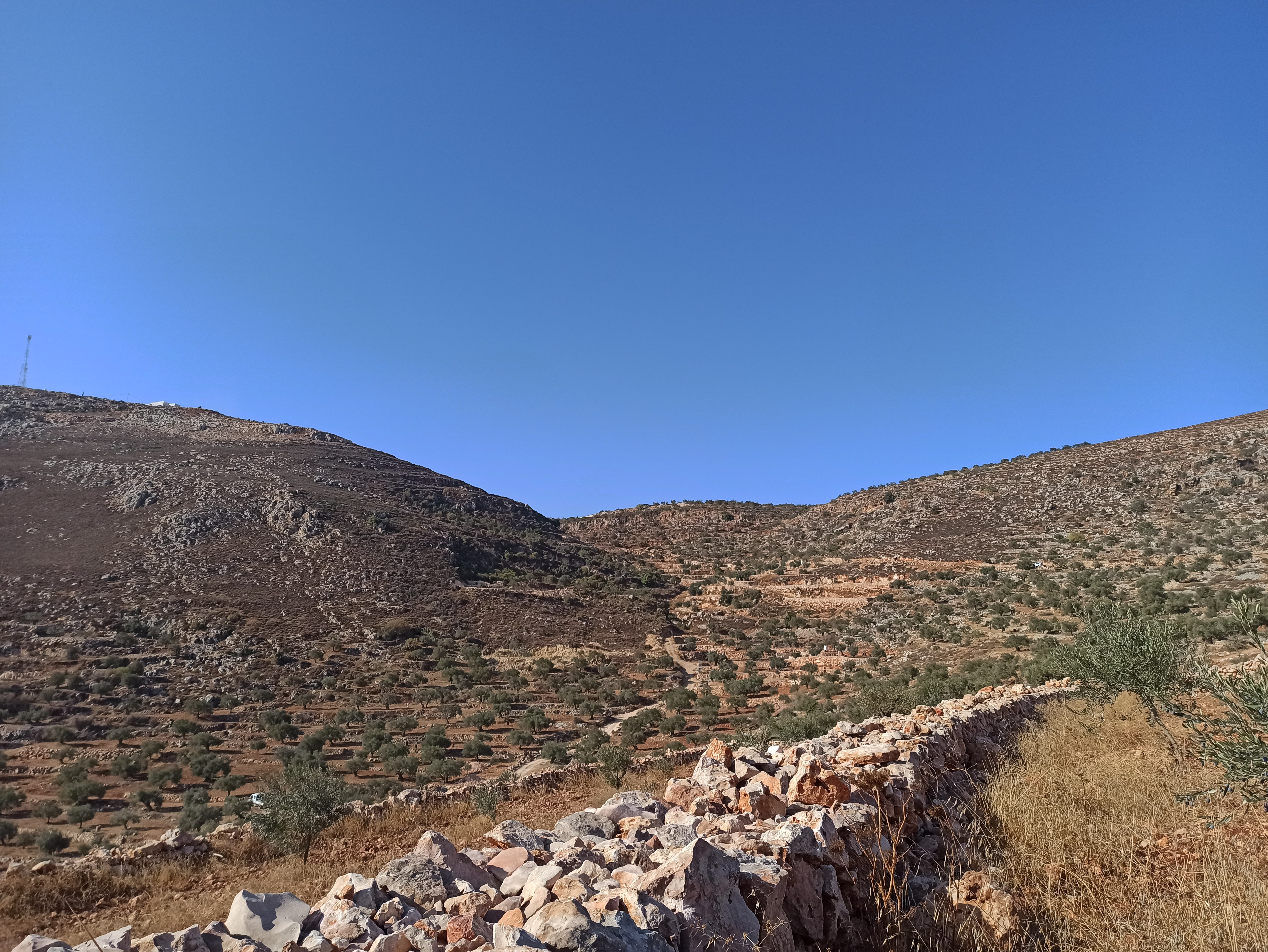
Figure 7. View at Abu Falah village, October 2025
Returning from Palestine had me processing all the emotions and the stories, the destruction and settler violence, but also the Palestinian steadfastness and joy. Weeks after returning, we received the horrible news of the recent raids and vandalism of the UAWC’s offices by the Israel Occupying Forces (IOF). The images and videos left me in shock. Members (some of whom I knew by name), blindfolded and subjected to humiliation and violence by IOF, are yet another example of Palestinian life and economy being destroyed through inhumane and unlawful tactics.
I condemn these attacks on UAWC’s members, an organization that clearly is working towards environmental justice, food sovereignty, and the right of peoples to self-determination on their land.
Studying at a university which claims that it “aims to explore the potential of nature to improve the quality of life,” while simultaneously collaborating with a number of companies, organisations, and universities that are directly linked to the state of Israel and its illegal activities, brings me conflicting feelings. Wageningen University is the only university in the Netherlands that refuses to research its ties with Israel despite numerous reactions from students and staff. At this point, I can’t help but wonder: does the university care about the quality of all lives, or just a few?
WUR continues to be complicit in these crimes against humanity through collaborating with a number of Israeli companies and universities (find more info here: https://academiccomplicity.nl/). But how do we continue as students or employees at this university? I believe it’s important to continue learning and educating ourselves, maintaining and nurturing our communities, and taking care of ourselves and each other in order to sustain our energy and spirit for resistance. Never stop talking about Palestine. Standing in solidarity with Palestinian people means standing for collective liberation and for bringing down the Empire of Imperialism and its disastrous consequences.
Thank you for reading. Take care!
In solidarity,
Eleni
 Rural Sociology Wageningen University