
In Kurdistan, the Middle East, and North Africa, I have seen markings on women’s faces, hands, and arms: engraved memory in the form of small lines, dots, and symbols made from breast milk and ash. Known in Kurdish as deq, these tattoos bear ancient history, identity, protection, beauty, pain, and belonging.
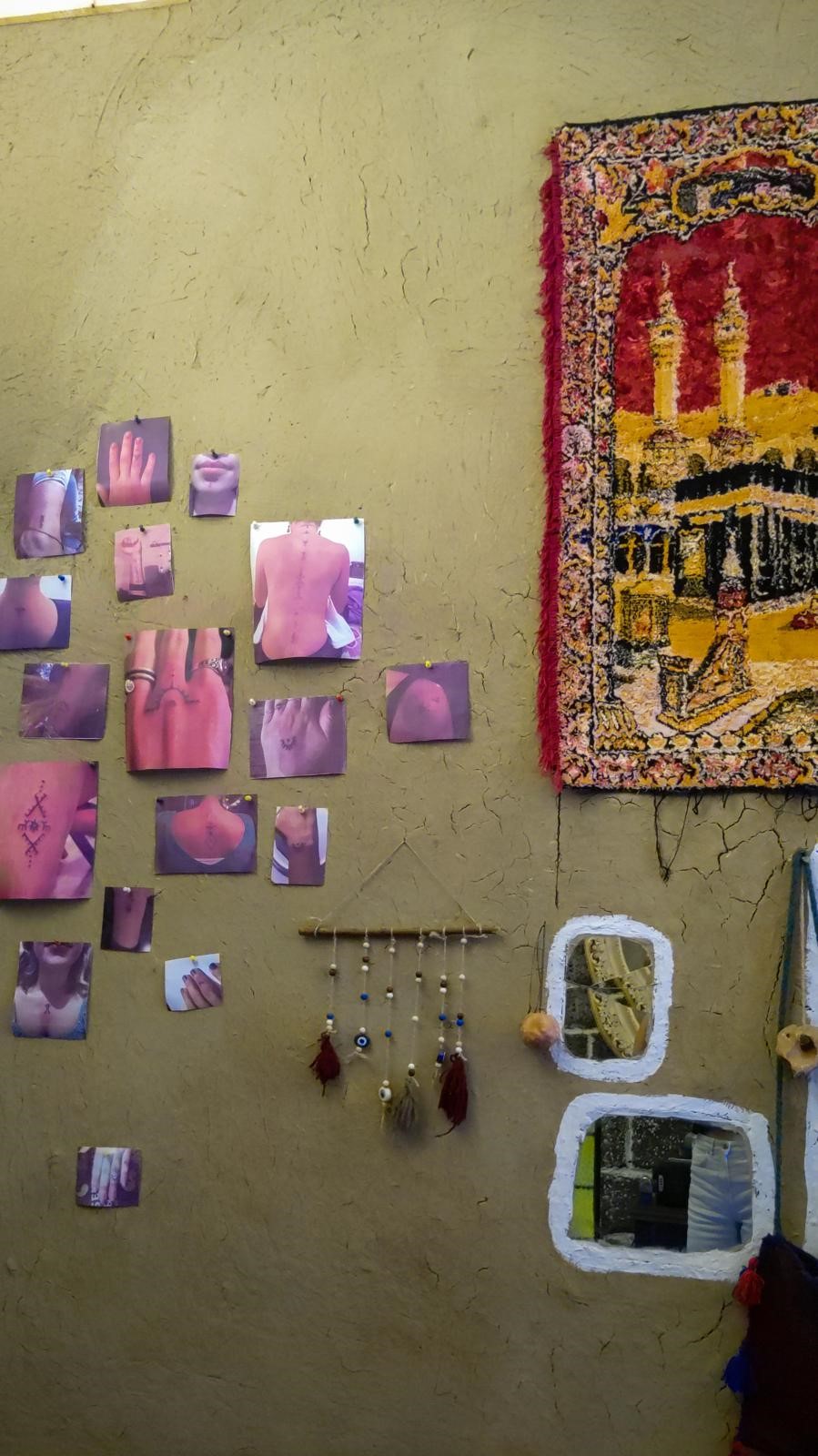
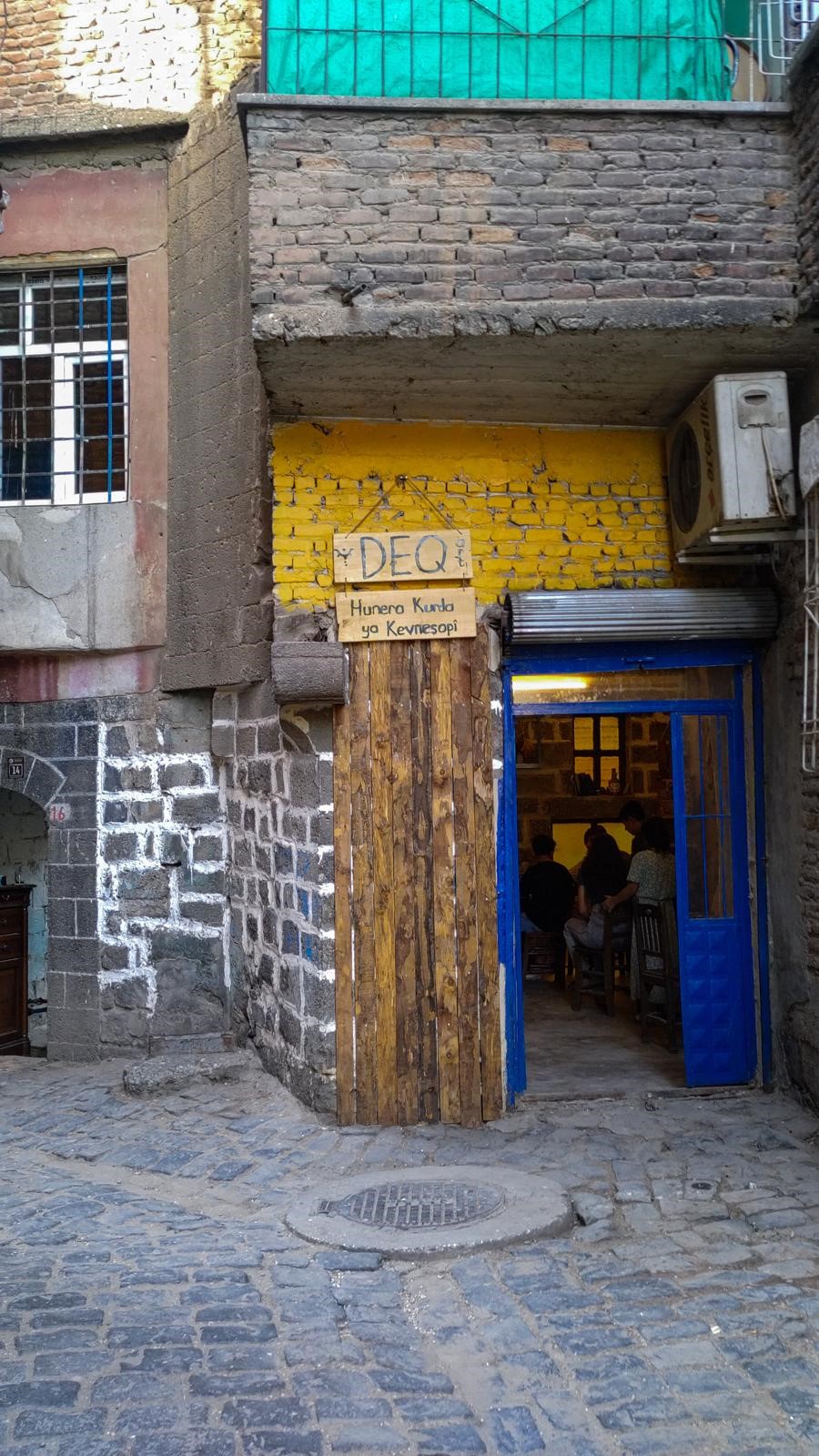
Traveling through Kurdistan, I met Fatê Temel, a deq artist in Diyarbakir (Amed), and spoke with her about the art of deq, its gradual disappearance, and the efforts to bring it back to life.
For the past several years, Fatê has been running a small deq studio in Diyarbakir, where she works to preserve and revive the tradition of deq – hand-poked tattoos primarily worn by women throughout Kurdish history. Often placed on the face, hands, or arms, these markings are composed of dots and simple geometric forms, each carrying spiritual, cultural, and personal significance.
Besides being a deq artist, Fatê is also a researcher, traveling throughout Kurdistan to learn from the women who wear deq and from the people and places connected to its history.
In our conversation, she reflected on her connection to deq, her efforts to sustain it as a living cultural practice, and the layered meanings these body inscriptions continue to hold today.
Read the full interview by Joost Jongerden with Fatê Temel in The Amargi here: Deq: tattoos made of breast milk and ash

