
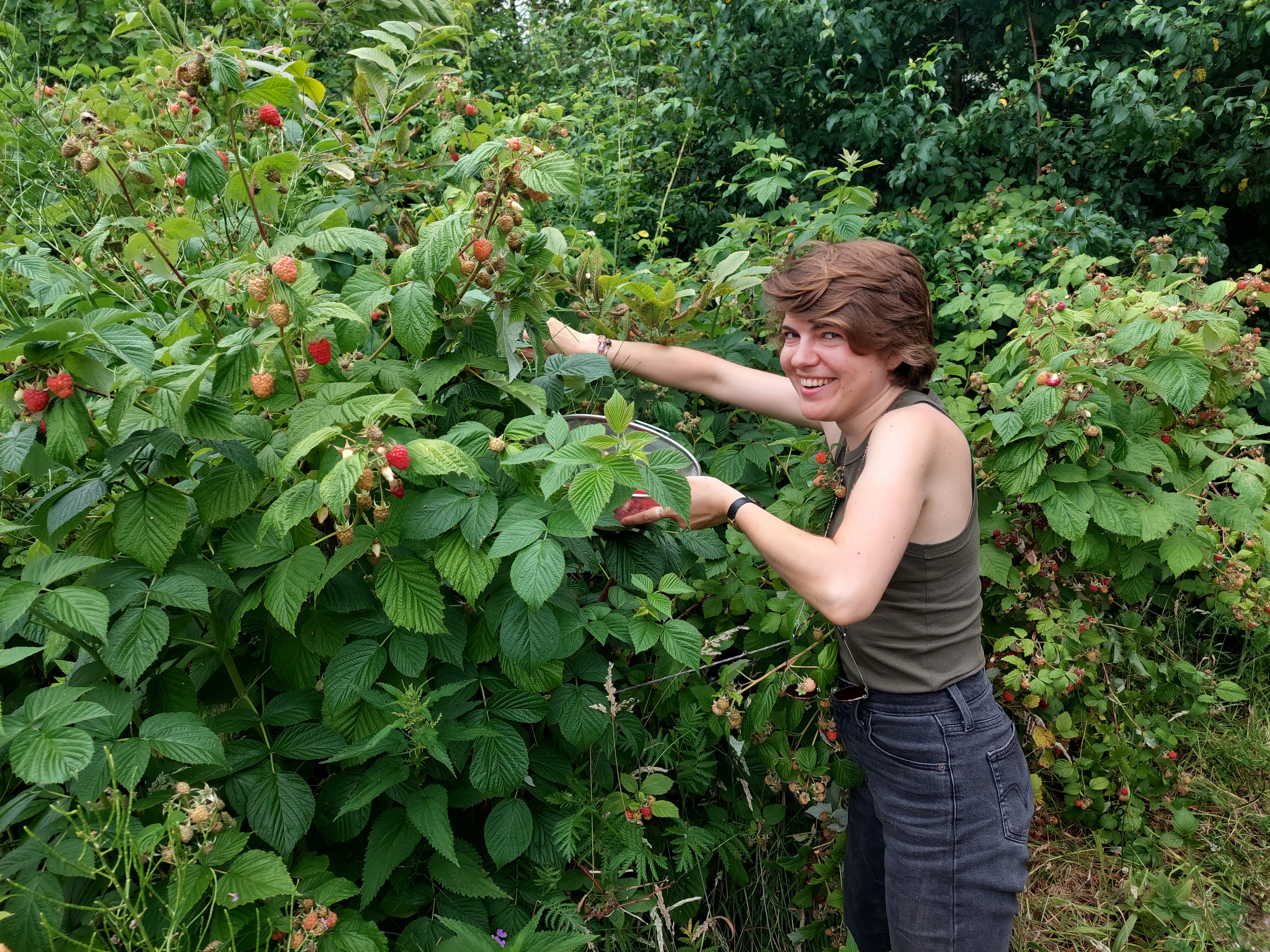
By Anna Roodhof – Food forestry is an advanced type of agroforestry where practitioners design a forest ecosystem that incorporates edible and otherwise serviceable perennial plant species. In the Netherlands, food forests have become an increasingly popular land-use form, inspired by Martin Crawford’s forest garden. The first occurrence of the term ‘food forest’ dates back to 2009, when Wouter van Eck and Pieter Jansen started a forest garden sized 3 hectares, which they aptly renamed ‘food forest’. Since then, and especially from 2017 onwards, this innovative approach to agroforestry has flourished across the country. As a PhD candidate at the Rural Sociology Group at Wageningen University and Research, I study this emerging phenomenon.
Continue reading
 Rural Sociology Wageningen University