The Rural Sociology Group of Wageningen University will celebrate its 75th Anniversary on the 13th of May 2022. Join our event entitled “Rural Sociology: past, present and future” and reflect upon the past and present of rural sociology and discuss its future challenges.
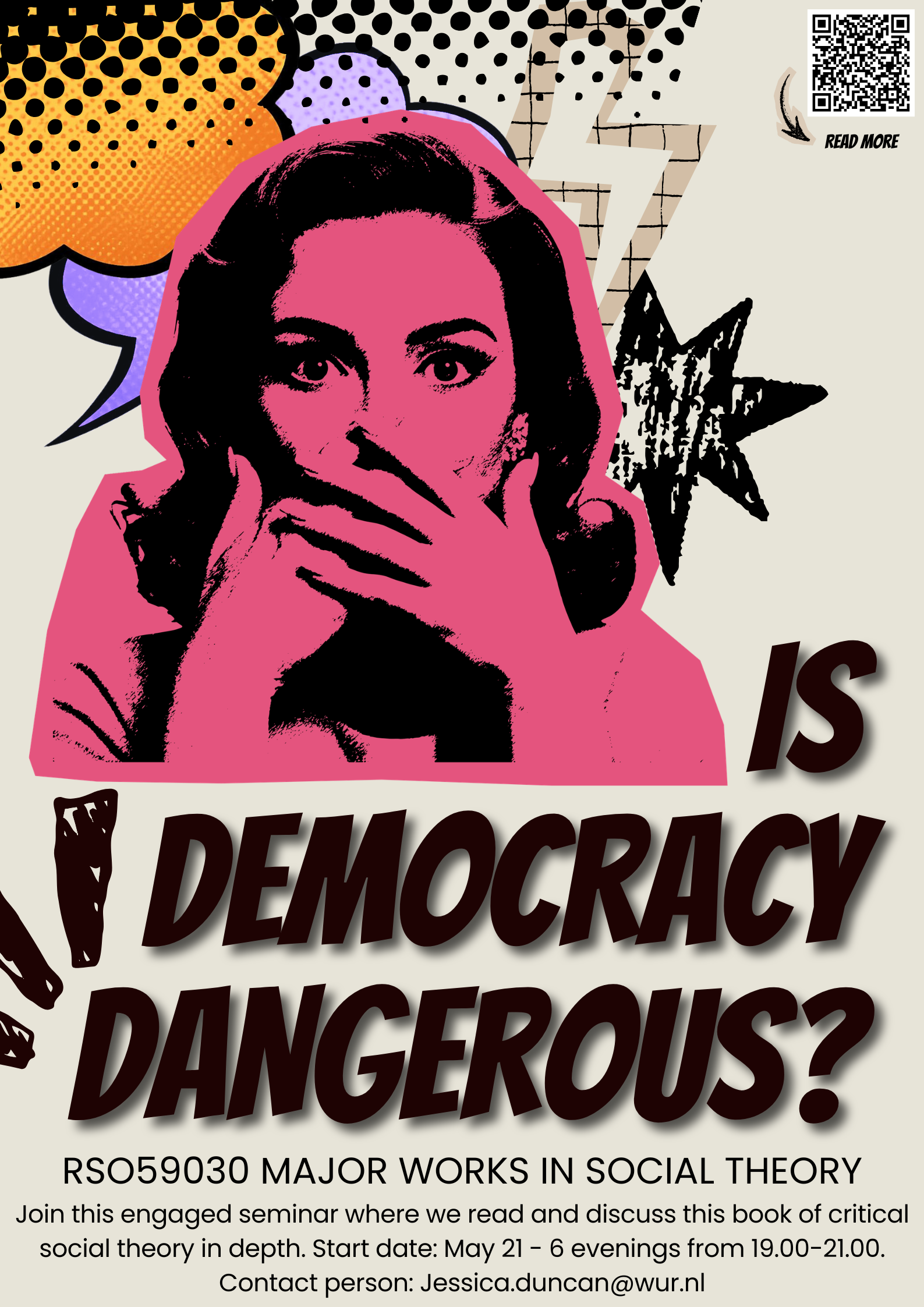
Is democracy dangerous? Is democracy in crisis? What even is democracy?
These are the central questions explored in RSO59030 Major Works in Social Theory, an engaging and intellectually challenging course designed for Master’s students who want to actively engage with social theory and critically examine contemporary political debates.
This course focuses on the work of Jacques Rancière, particularly his influential book Hatred of Democracy. Across six weekly evening sessions, students will collectively unpack and critically evaluate Rancière’s arguments and consider their relevance in contemporary society.
Course Format > 6 weekly meetings (2 hours each) > Thursdays, starting May 21 > 19:00–21:00 > Location: Clockhouse
The course is organized as a structured conversation around the book. This format requires careful preparation and active participation from all students. After an introductory session, the course proceeds through discussions of the book’s four chapters, encouraging close reading, debate, and theoretical reflection.
As part of the course, students will also participate in the recording of a podcast, translating theoretical insights into a public-facing format.
About the Book In Hatred of Democracy, Rancière challenges the widespread claim that democracy is in crisis because of popular irresponsibility. Instead, he argues that political and intellectual elites often harbor a deep distrust of democracy itself — understood as the radical principle of equality and the rule of all. What is frequently presented today as “democracy,” he suggests, functions to limit popular power and legitimize governance by a select few.
The book invites readers to radically rethink democracy — not as a stable system, but as an ongoing political struggle over equality.
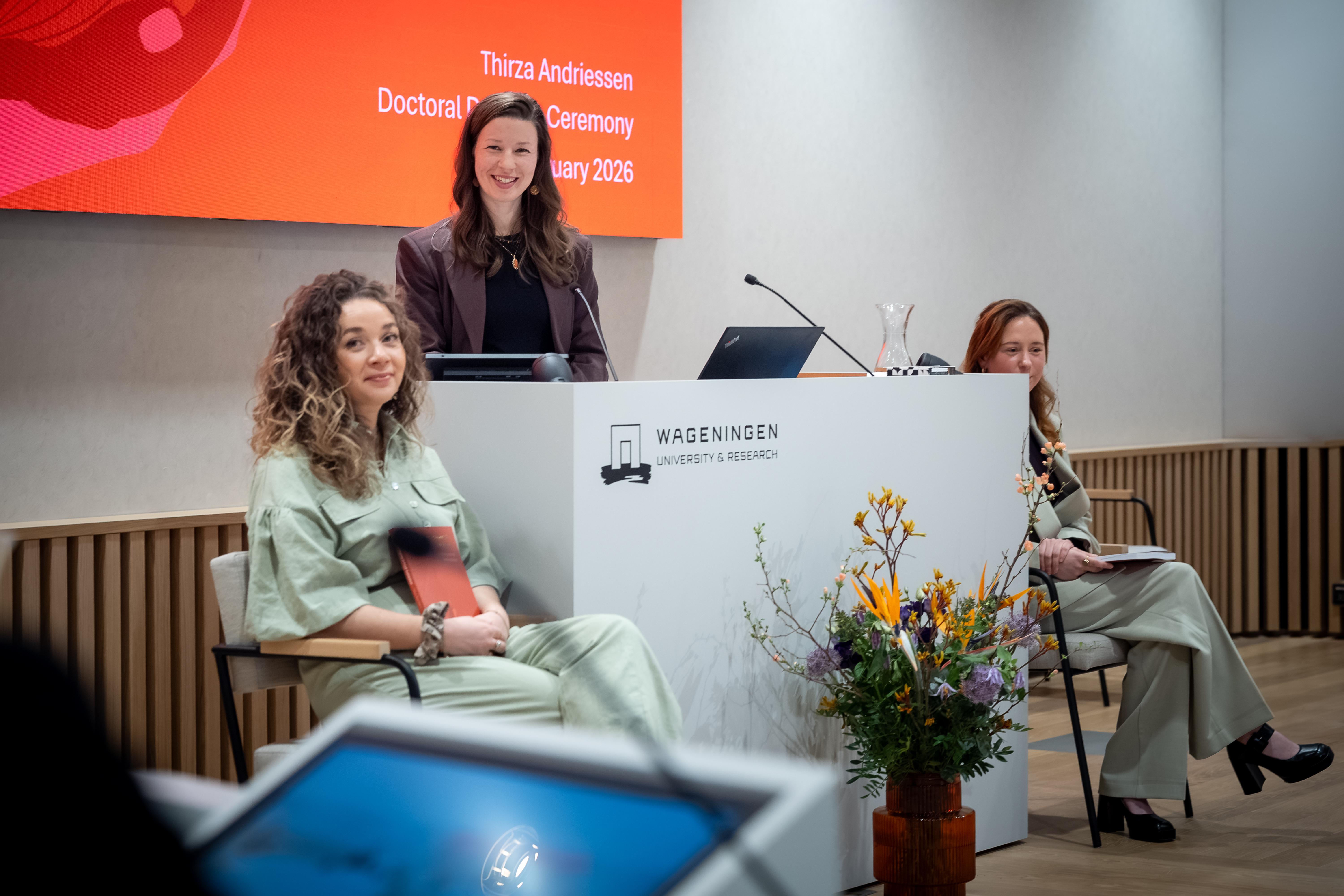
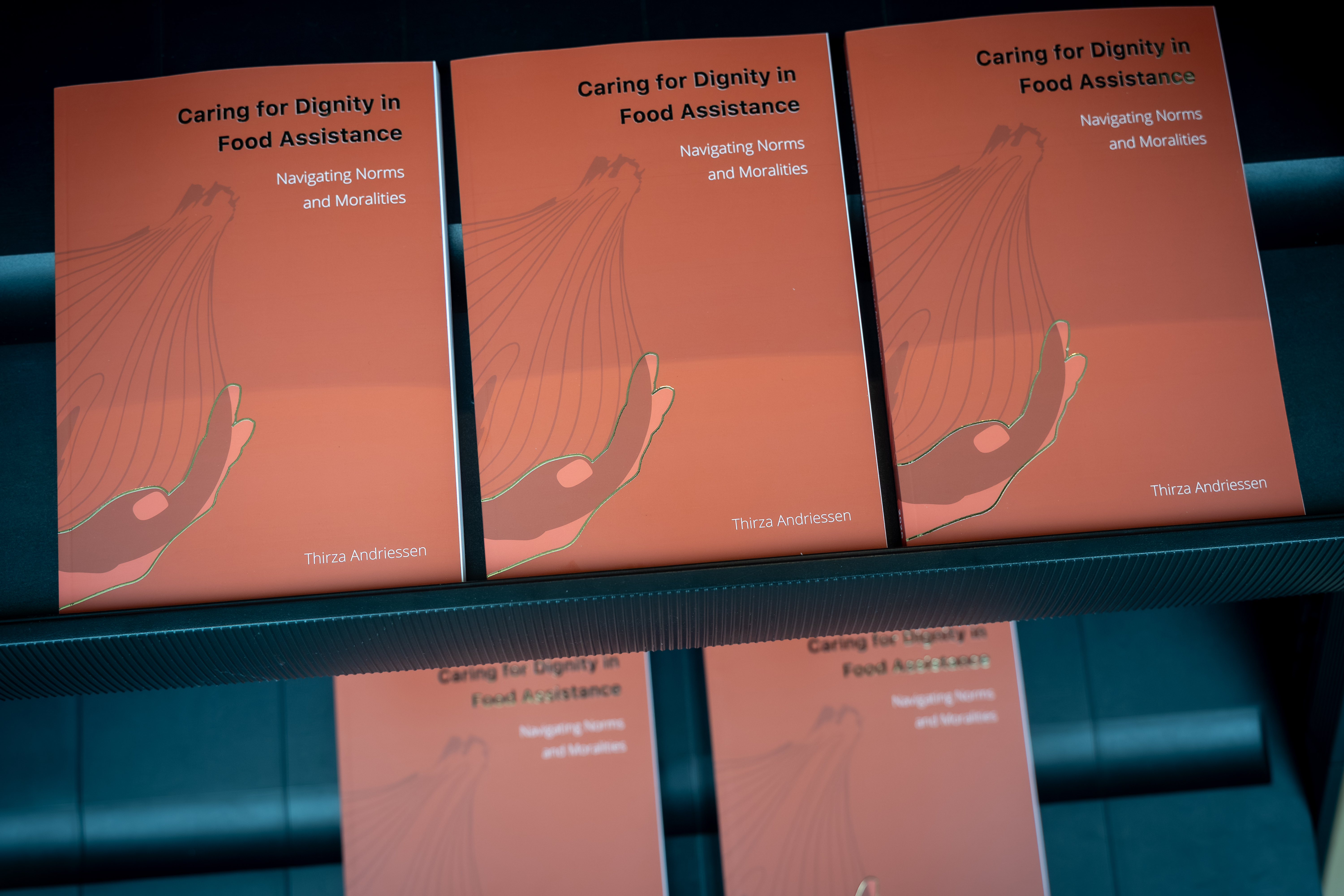
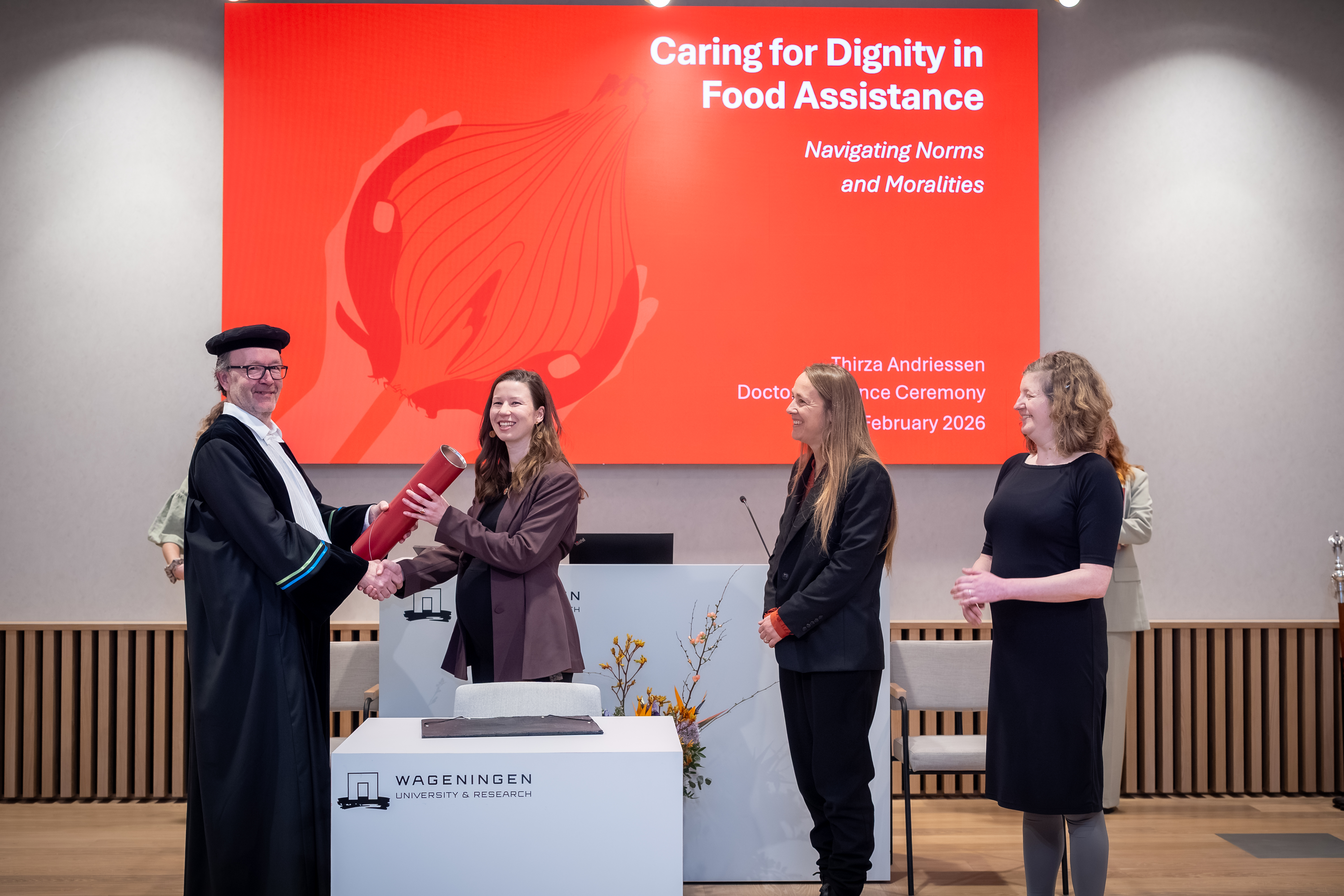
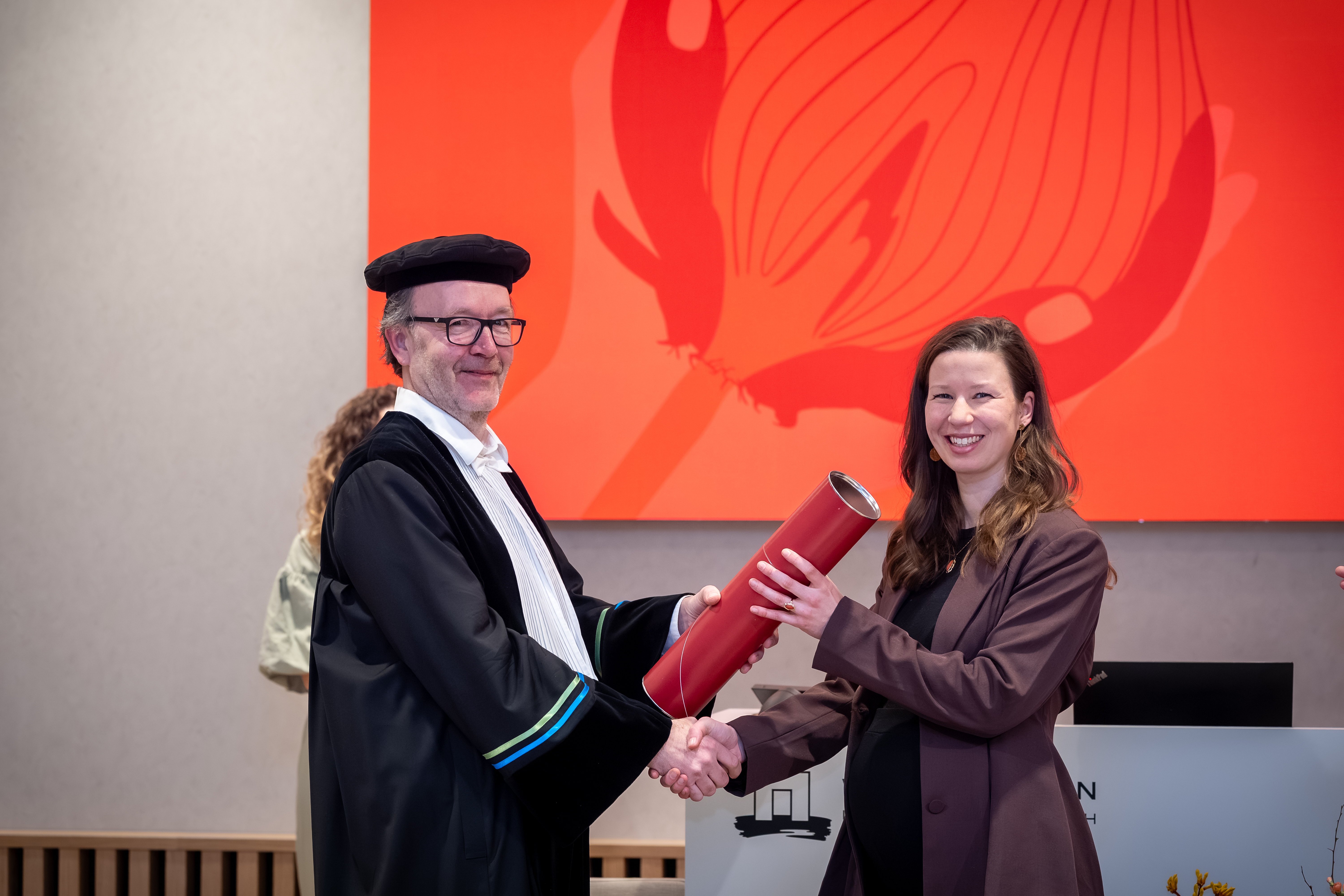
We are happy to announce that our dear colleague dr. Thirza Andriessen successfully defended her dissertation on February 20, 2026, titled: “Caring for Dignity in Food Assistance: Navigating Norms and Moralities”.
In her dissertation Thirza studies dignity in food assistance contexts in Belgium and the Netherlands. She explores how practices within such contexts shape (and reshape) the dignity of those receiving support. Conceptualizing dignity in a relational way implies a recognition of its dynamic character: “How it [dignity] is continuously negotiated through social relationships, interactions and broader social contexts” (Andriessen, 2026, p. 21). Furthermore, the dissertation highlights that food assistance is more than a material problem in which nutritional deficiencies of recipients are mitigated. Indeed, Thirza stresses the importance of care in food assistance.
The friendly game of academic tennis raised interesting food for thought that kept us chewing on the topics long after the formalities came to a close. For example, Thirza stressed the need for a careful, but important balancing act of meeting acute needs without reproducing the very structures that underlie food insecurity in the first place.
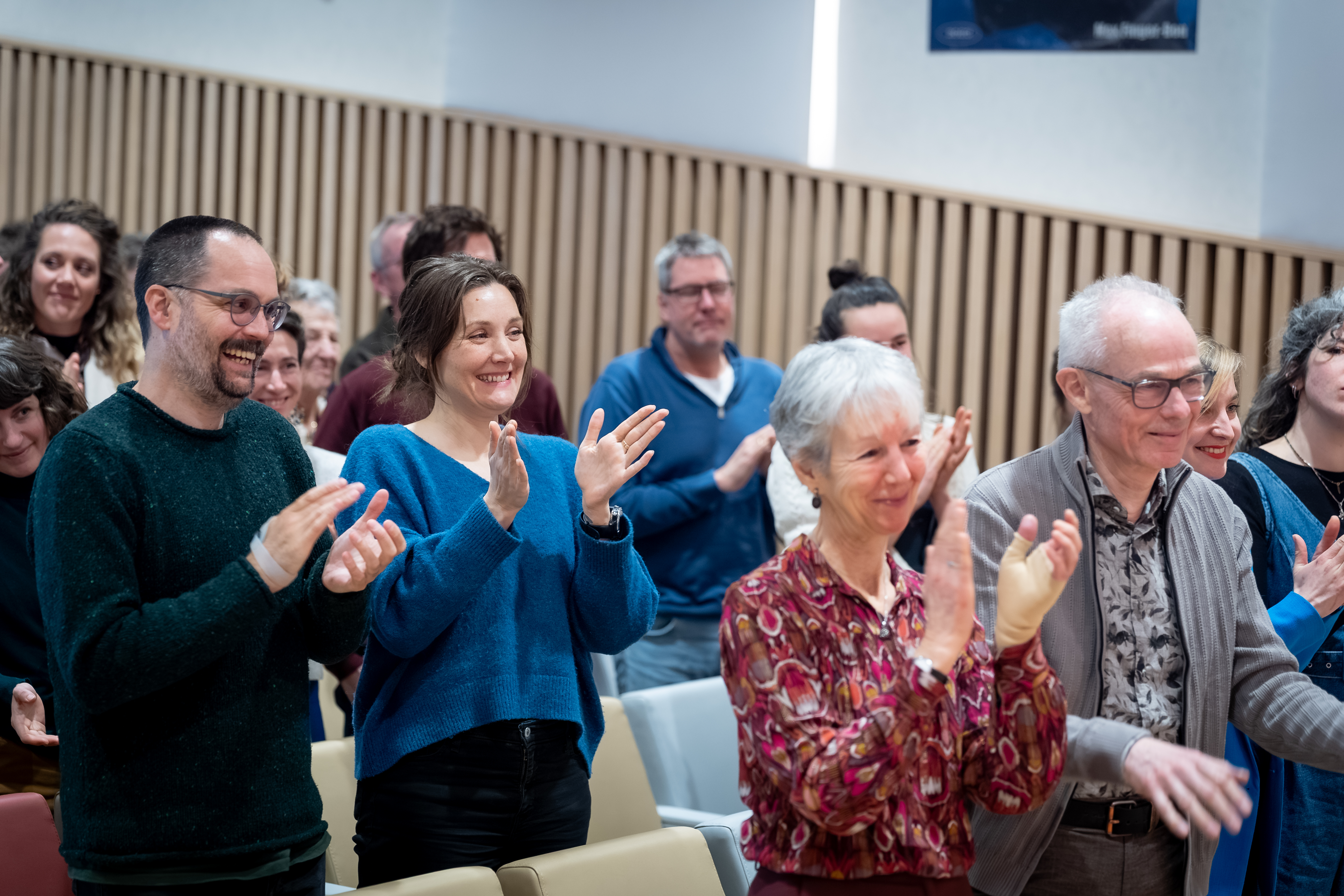
At the end of the defense, Thirza’s was praised with two key words that resonated with how we know her best: Someone who is bold and deeply cares about those who surround her. Congratulations Thirza on your monumental achievement! We are happy you will continue to inspire us (colleagues) and students at WUR as you continue your work with RSO.
Martha is nog niet zo lang bij de Provincie. Ze werd enthousiast, toen ze een vacature las voor een ‘gebiedsmanager’. Ze heeft weliswaar niet zoveel met het woord ‘manager’ – dat klinkt voor haar veel te veel alsof ze de koordjes in handen moet hebben – maar het het tweebenige van de functie sprak haar echt aan. Ze zag zichzelf al voor zich, met één been aan keukentafels op boerenbedrijven én op de bijeenkomsten van de agrarisch natuurvereniging. En met haar andere been in het provinciehuis, het gemeentehuis, het ‘waterschapshuis’. Het moest te doen zijn, dacht ze, verschil te maken door die twee werelden – ‘buiten en binnen’ – met elkaar te verbinden. Niet, dus, door létterlijk de koortjes in handen te nemen, maar door ruimte te zoeken, vertrouwen te vinden, de bal direct te spelen, de vragen die opborrelen op de goede plek te leggen. Als ex-consultant in de procesbegeleiding weet ze dat ze goed is in die verbindingsrol. Martha heeft trouwens al flink wat ervaring opgedaan met het verbinden van precies die werelden. Maar wat haar in haar vorige werk begon tegen te staan, was het hoppen van project naar project, waardoor ze steeds nieuwe relaties moest aangaan, en steeds net als ze zich vertrouwd begon te voelen met een project en de mensen, weer verder moest. Een baan als gebiedsmanager geeft meer structuur, voor haar gevoel, en brengt de mensen die over het beleid gaan dichterbij haar. Ze zitten, als het ware, in haar eigen achtertuin! Een prachtige kans om snel te schakelen – tussen de initiatieven en ideeën uit wat háár gebied zal zijn en het wat abstracte beleid om duurzaamheidstransformaties in het landelijke gebied in beweging te zetten. Daarmee heeft ze goud in handen, … dacht ze!
Nu Martha er middenin zit, denkt ze vaak terug aan de dromerij van toen ze solliciteerde. Dat gevoel wil ze vasthouden! Het stelt haar namelijk in staat van haar nieuwe rol te houden. Als vrienden haar vragen hoe het is om nu ‘ambtenaar’ te zijn, legt ze hen altijd uit dat het niet zo is dat ze de hele tijd opdrachten vanuit de hiërarchie aan het uitvoeren is, of continu vastzit aan strakke procedures en deadlines voor het indienen van allerlei materiaal. Ze doet dan uit de doeken dat ze veel op stap is, dat haar kaplaarzen standaard in haar achterbak liggen, en dat ze – met die oh zo belangrijke mensen in haar achtertuin – ook nog wat invloed heeft op het echt toewerken naar veranderingen in het landelijk gebied.
En toch, heeft ze de laatste weken last van slapeloze nachten en nare dromen. Ze zit dan in de startblokken – klaar voor de start – startpistool gaat de lucht in, en vervolgens blijken de kaplaarzen die ze voor de gelegenheid heeft voorzien van spikes, aan de startblokken vast te blijven plakken. Ze weet zich in haar droom los te wrikken, maar komt niet vooruit, en iedere keer komt er dan ook nog een nieuwe horde bij. Ze is deel van een team en moet aan het einde van haar deel het estafettestokje overgeven, maar in een volgende droom belandt het stokje op de grond, rolt van haar weg. Dat gebeurt dan steeds opnieuw, als ze het wil oppakken. Gelukkig komt een van haar teamgenoten, zich bewust van de penibele situatie, naar haar toe rennen, maar die heeft een nieuwe opdracht bij zich, ze moet een nieuw format indienen, en vervolgens weer één, en weer één. Een aantal van haar collega’s blijkt in haar dromen bovendien in andere banen te lopen, zodat ze hen niet kan bereiken. Martha schrikt dan meestal wakker en raakt aan het piekeren. Hoe zorgt ze ervoor dat ze de mensen in haar gebied niet teleurstelt, dat het positieve dat de mensen in haar gebied ondanks de polariserende politiek weten op te brengen, niet verdwijnt, door wéér die onzekerheid over de financiering en de regels? En hoe zorgt ze ervoor, dat haar collega’s, van beleid, van grondzaken, haar ambtelijk opdrachtgever ook, die toch een stukje verder weg staan van wat zij bijna dagelijks recht onder haar neus ziet gebeuren, blijven lopen? Martha realiseert zich, dat zij de wijsheid niet in pacht heeft, maar één ding weet ze heel zeker: de dingen moeten in een positieve richting blijven bewegen. Maar hoe, in godsnaam, HOE?
Op één van die ochtenden begint iets heel belangrijks bij haar te dagen. Ze staat hier niet alleen in. Ze kan gewoon zeggen tegen haar collega’s, dat ze hiermee worstelt, dat ze samen stappen wil zetten in de goede richting. Wat die ‘goede richting’ precies is, daar kunnen ze het over hebben, daar moeten ze het over hebben! Het is niet zo erg, als dat gepaard gaat met wrijving. Maar dan weegt het vallen en opstaan tenminste niet meer zo zwaar op haar schouders. Martha wil als team wat meer tegenwicht kunnen bieden, en de veranderingen die nodig zijn in beweging kunnen zetten, óók als het politieke draagvlak daarvoor regelmatig lijkt te ontbreken. Haar gedachten voelen nog als een open eindje, en vanwege de drukte twijfelt ze of ze zich zal opgeven voor de grote bijeenkomst over het gebiedsgericht werken. Uiteindelijk hakt ze de knoop door. En hier is ze.
This blog post by Marit Meijer shares her experiences during the second fieldwork period of the project “Learning from Food Provisioning Networks in City Regions of Kenya”.
From May 26th to August 12th, 2025 I spend 2,5 months in Kenya for the second fieldwork period of the project “Learning from Food Provisioning Networks in City Regions of Kenya”. The focus of the fieldwork was to immerse (for 2 months) in two urban food markets in Kisumu, namely Kondele Market and Kibuye Market. People who have congregated in these market places for the last 10 years shared with us the history of their careers and their perspectives on present and future developments of the food markets. We want to extend our deepest gratitude to everyone willing to share with us their time, effort and personal stories so generously. And to those who introduced us to them. A special thanks goes out to Damarice Auma Akwanya, Moline A’chieng and Isiah Okoth.
A year ago, my colleague Dirk Roep reached retirement age. He had organized a wonderful farewell party, where I was also supposed to give a speech to honour him, his work and his contribution to the Rural Sociology Group. Unfortunately, I had to cancel due to illness and was unable to give my speech. So now, a year later, on Dirk’s 68th birthday, I am writing down what I wanted to say a year ago at Dirk’s farewell party:
After 35 years of working for the Rural Sociology Group (and its predecessor, the Sociology Department) in various positions (and even more different employment contracts), the time has now come to enjoy a well-deserved retirement. Of those 35 years, we have known each other for 32 years, we have been colleagues for roughly 28 years, and I have been the chair of the Rural Sociology Group (and thus formally your ‘manager/supervisor’) for 20 years.



 Rural Sociology Wageningen University