75th Anniversary: 60) Research at the Rural Sociology Group: Engaging urban food initiatives in planning: Urban food planning in a complex, pluralistic society

Paul de Graaf

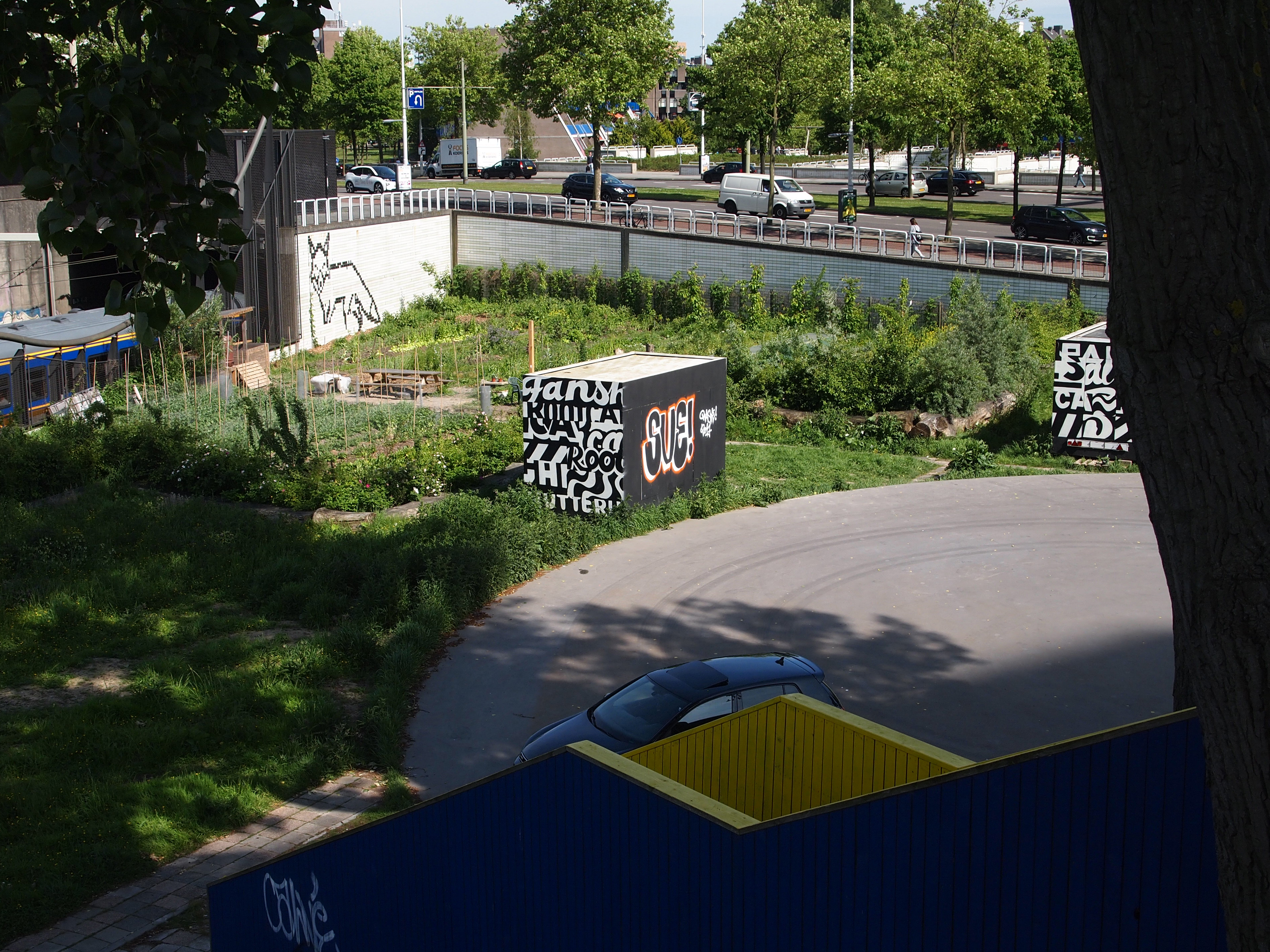
Examining urban agriculture projects in Rotterdam between 2008 and 2018, my research looks at the practice of urban food planning, its strategies, the actors involved and their roles and relations. Central to the research is the observation that in Western European society today, the increased participation of civic initiatives confronts planning with challenges related to governance, decision-making and representation. Sustainable urban food planning can be seen as a laboratory for planning concepts that deal with these challenges.

The purpose of my research is to investigate which conceptualisations of planning are relevant when 1) planning in and for a pluralistic, participative society and 2) planning for sustainable goals related to an unknown future. As there is no consensus in the planning field on what planning is or what it should do, conceptualisations of planning can range widely, from systems planning to advocacy planning and from collaborative to complexity planning. I work with a primary hypothesis that these concepts of planning are complementary rather than mutually exclusive and that in a complex, pluralistic society, different concepts of planning can be relevant in different circumstances.

The main research questions are as follows: What concepts of planning are effective in spatial planning for a common sustainable future when including multiple actors and stakeholders with a variety of frames and perspectives on sustainable food systems? How are different actors, their respective roles and action perspectives included in the decision-making process? What is the role of the planning practitioner in this, and what is the role of governmental planning at different levels?

The research is informed by my own position as a practitioner. Undertaking a professional PhD as an external researcher at RSO allows me to reflect upon and put in perspective my personal experiences in the field of spatial planning and design. Fifteen years of experience with promoting, researching, designing, planning and practicing urban food production in Rotterdam left me (and colleagues from the field) with many ideas and hypotheses on what municipal planners and urban food initiatives should and should not do when planning urban food production. Can municipal planning include the initiatives of societal actors (like myself and fellow urban farmers and activists) in their planning agenda? Would it be possible to do this in a way that respects the diverse world views of these actors? And can societal actors themselves operate in a way that aligns them with governmental planning agendas without losing sight of their own goals?
OLYMPUS DIGITAL CAMERA

Civic urban food initiatives represent a diversity of approaches to what a sustainable food system should be and how planning can contribute, but planners at different government levels struggle to facilitate and include these initiatives and their diverse approaches in their planning efforts. This has become apparent in Rotterdam but is also exemplary of a more general gap between bottom-up societal initiatives and top-down governmental planning in the Netherlands. Through a study of the Rotterdam urban agriculture movement – and taking the role of participant-observer – I examine this gap and address the questions above.

The case study of Rotterdam considers projects in which urban food production has been realised and focuses on the people involved in the planning process and their agendas and strategies, with a special emphasis on spatial planning. To avoid any bias due to my personal involvement in the object of study, I use a range of sources, including grey literature and interviews with different planners and societal actors. In terms of method, I combine this sociological approach with plan analyses (of the projects) derived from the discipline of urban planning. In combining different sources and methods from different disciplines, I try to incorporate the views of different actors and gain a more complete picture of what has happened during these past years and what lessons can be learnt for planners and urban food initiatives..

While the PhD is designed as a retrospective, transdisciplinary case study, it inevitably involves and interacts with my own practice as a designer/planner and, more recently, urban food forester. Interviewing planners about their ideas and influences and writing down their accounts of events has already provided insights that are informing my current work in urban agriculture and food forestry  (including advocacy, design and realisation). Although this can sometimes be problematic, the meeting of practical experience with academic and applied research is developing a relevant knowledge base. A professional PhD makes knowledge from practice available to academic research and offers a place of reflection to practitioners.
75th Anniversary: 58) Research at the Rural Sociology Group: Agrarian Movements and Transitions in the Global South

Lisette Nikol, PhD candidate at the Rural Sociology Group

How do small farmers in the Global South secure their livelihoods? How do capitalist dynamics and agrarian movements striving for alternatives shape these livelihoods? How can agrarian transition pathways address possible tensions between the needs of rural development, sustainable agrarian futures and a growing world population? What role do and should farmers play in imagining and realising these transition pathways and agrarian futures? How do we analyse and explain agrarian transitions in general and the farming systems realised by agrarian movements in particular?

These abstract questions summarise my research interests. My interests are motivated by a concern for an agrarian future that is socially just and environmentally sustainable, in which our farming populations and natural environment can thrive rather than be exploited.  

In my PhD research, I investigate diverse facets of an ongoing agrarian struggle in the wake of agricultural modernisation and the development of agrarian capitalism, paying particular attention to the concept of peasant autonomy. Peasant autonomy locates core critiques of modern agriculture with the commodity nature of production relations (Jansen et al. 2021). While the critiques alone are relevant, I find that research into agrarian movements is more interesting and useful if it examines how different agricultural systems promote distinct production relations and transition pathways that entail different dependencies on wider production relations, agro-ecosystems, social relations and agrarian movements. As a sociologist concerned with theory, I find it relevant to inquire into how various conceptual ideas of peasant autonomy, varying dependencies on diverse production relations and socio-material relations of farming systems can help us both explain ongoing transitions and imagine and realise future transitions .

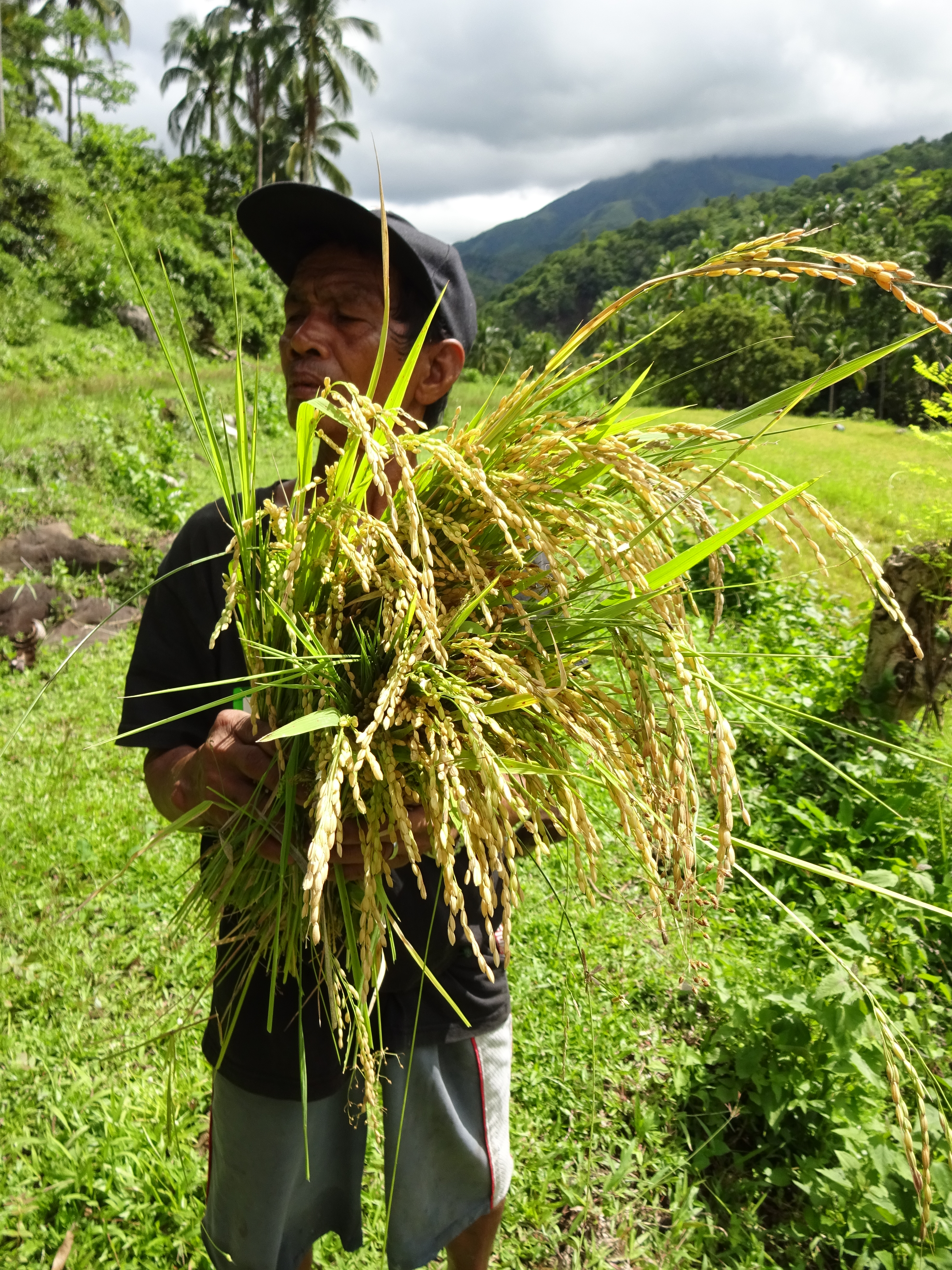
Specifically, I am investigating an organic agriculture movement in the Philippines that is responding to the challenges posed by decades of Green Revolution-oriented agricultural policies. Providing alternatives to the agricultural modernisation programmes of the state, this farmer network facilitates a farmer-led rice breeding programme, trainings on organic cultivation and complementary livelihood-related aspects, and a Participatory Guarantee System to market organic produce locally.

I locate my work within a contemporary body of agrarian political economy that critically reflects on the broader effects of the capitalist dynamics in agriculture and the countryside (see e.g. Guthman 2004, Kloppenburg 2004, Bernstein 2010, Jansen 2015). Another body of theoretical work that informs my research agenda is an anthropology of technology development that looks at technological change in the context of agrarian development and transformation as contingent, society-technology relations (e.g. Bray 1986, Almekinders 2011, Jansen & Vellema 2011). Combining these two approaches allows for an interesting set of questions capable of addressing both social and material aspects that are vital to an overall understanding of agrarian movements and transitions.

An important part of my research looks at peasant autonomy and food sovereignty questions as concerning farmers’ relations to their means of production. Agrarian movements seemingly aim to reverse the separation of farmers from their means of production, such as seeds and the wider agro-ecosystem, as achieved by agricultural modernisation and development following a capitalist, industrial model. But how do efforts to mend this situation play out in particular empirical settings? In this question, I centralise the material dimension of farming and agro-ecosystems in interaction with social relations and farmers’ practices. I address two important sets of production relations.

First, I analyse the sorts of relations around seed that emerge in situations where seed activist initiatives are realised. It is important to understand how these relations are caught between agrarian capitalism and seed activism. Second, I focus on soil fertility management – a core of organic approaches often presented as key to realising an autonomous agro-ecosystem – as a site of tension and performance. How does a view on farming as ‘performance’ (cf. Richards 1993) or simply ‘making do’ to survive relate to views on farming as performing political farming narratives?

Another aspect of agrarian movements I find intriguing is their functioning as organisations, themselves firmly embedded in relations with and among farmers. When the work of agrarian movements gains importance for the livelihoods of rural and agrarian peoples, how should we understand the relation between movements and members, or the movement’s practical work in the context of agrarian livelihood strategies? Additionally, movements take on emancipatory roles, organising farmers politically and advocating on their behalf at various levels of government (Nikol and Jansen 2020). How do their narratives of agrarian futures and rural development relate to the narratives of its differentiated constituency, as well as those of the government?

A last avenue of my inquiry looks into the dynamics shaping and participation of farmers in national organic sectors. Participatory Guarantee Systems (PGS) are promoted on a global scale as a cost-efficient and trustworthy alternative to third-party certification. Interestingly, the development of organic agriculture is caught in a tug-of-war between capitalist dynamics prompting its ‘conventionalisation’ and committed pioneers promoting values that critique the industrialised agricultural model (Nikol and Jansen 2021). I further investigate dynamics in the development of organic agriculture, specifically how PGSs seem a tool modelled after and complying with demands from conventional agriculture, as well as a tool to organise farmer participation, reclaim the narrative of organic agriculture and reorganise the relations that compose this sector.

How to explain ongoing agrarian transitions, and how to imagine and realise agrarian transitions in the future? In researching seed systems and plant-breeding, soil fertility management and integrated farming systems, the organisational and advocacy work of social movements and tensions between capitalist dynamics and ‘pioneer’ approaches in organic agriculture development, I aim to contribute relevant insights grounded in lessons from an agrarian movement in the Global South.  These questions and the experiences of the Philippine organic movement, will no doubt continue to engage me in the future and inspire future contributions to the literature. 

Almekinders, C. (2011). The Joint Development of JM-12.7: A technographic description of the making of a bean variety, NJAS-Wageningen Journal of Life Sciences, 57(3): 207-216.

Bernstein, H. (2010). Class Dynamics of Agrarian Change. Halifax: Fernwood Publishing.

Bray, F. (1986) (1986). The Rice Economies: Technology and Development in Asian Societies. Oxford [etc.]: Blackwell.

Guthman, J. (2004). Agrarian Dreams: The Paradox of Organic Farming in California. Oakland: University of California Press.

Jansen, K. (2015). The Debate on Food Sovereignty Theory: Agrarian capitalism, dispossession and agroecology, Journal of Peasant Studies, 42(1): 213-232.

Jansen, K. and S. Vellema (2011). What is Technography? NJAS-Wageningen Journal of Life Sciences, 57(3): 169-177.

Jansen, K., M. Vicol and L.J. Nikol (2021). Autonomy and Repeasantization: Conceptual, analytical, and methodological problems, Journal of Agrarian Change (special issue on Autonomy in Agrarian Studies, Politics and Movements).

Kloppenburg, J.R. (2004). First the Seed: The Political Economy of Plant Biotechnology. Madison: University of Wisconsin Press.

Nikol, L.J. and K. Jansen (2020). The Politics of Counter-Expertise on Aerial Spraying: Social movements denouncing pesticide risk governance in the Philippines, Journal of Contemporary Asia, 50(1): 99-124.

Nikol, L.J. and K. Jansen (2021). Rethinking Conventionalisation: A view from organic agriculture in the Global South, Journal of Rural Studies, 86: 420-429.

Richards, P. (1993). Cultivation: Knowledge or performance? In M. Hobart (Ed.), An Anthropological Critique of Development: The Growth of Ignorance,pp. 61-78. London:Routledge.

75th Anniversary: 57) Research at the Rural Sociology Group:  Researching Mexican coffee policies resulting from a political regime change

Claudia Oviedo, PhD candidate at the Rural Sociology Group

Mexican coffee policies of recent decades have been highly criticised. Farmers, coffee organizations, academics, and development organizations have claimed that programmes implemented to promote coffee production in Mexico have been limited to assuring mere survival of farmers rather than promoting the necessary transformation of their livelihoods. One of the main criticisms of such programmes is that while the state provided plants, fertilizer, and sprayers through farmers’ organizations, due to clientelism many farmers did not receive the inputs they had been promised. Other criticisms include that such programmes have failed to involve effective commercialization strategies and have not provided adequate technical assistance, particularly with respect to disease management.

Collecting coffee beans – Photo by Erik García. 

In December of 2018, “leftist” President Andrés Manuel López Obrador (AMLO) took office. Criticising previous neoliberal administrations’ lack of attention to rural areas, he promised his administration would benefit small farmers and that he would end corruption. To achieve this, his administration implemented the rural programme Sowing Life (Sembrando Vida) through the Ministry of Well-Being, providing approximately €250 monthly to farmers to plant deforested areas with fruit trees and annual crops using agroecological practices. The Ministry of Agriculture also launched the programme Production for Well-Being (Producción para el Bienestar), which also promotes sustainable coffee production, although with a much lower amount.

This PhD research analyses coffee policies implemented in 2019—he first year of AMLO´s administration, addressing the state’s conceptualization of farmers—essentially based on the size of their landholding—as well as its strategy for incorporating them principally into the organic market. Based on a Value Chain approach as well as Political Economy concepts, I found that those that farmers the state considers to be “small-scale” vary with respect to their level of control over the means of production. Furthermore, I conclude that selling to the organic market does not necessarily benefit all farmers and suggest the need to re-conceptualise the approach of public policy to “incorporating” coffee farmers into the market.

This study also addressed the political configuration of coffee programmes by unpacking the relationship among farmers, the state, and the coffee processing industry—namely Nestlé, as well as the interests of each of these actors and their strategies for obtaining their objectives. Two coffee trajectories were identified: one involving production of high-quality organic coffee and a high level of participation by the state and farmers´ organizations in policy development. The other trajectory is that of instant coffee, involving sale of lower-quality coffee to Nestlé. While several farmers’ organizations reject the latter trajectory, many farmers perceive benefits from cultivating coffee for this industry. Therefore, I urge policymakers and development agencies to allow for a variety of productive options rather than pre-determining a single production system.

Finally, this study addressed AMLO´s policy to reduce involvement of intermediaries by providing subsidies directly to farmers rather than through farmers´ organizations. Given that during previous administrations many representatives of these organizations retained a large part of the subsidies, many farmers welcomed this policy. However, its implementation has been characterised by operative problems and tensions between organizations and state personnel.  Some farmers´ organizations assured that not all such organizations are clientelistic; rather, they hold that they provide an essential mechanism for farmers to access more profitable marketing options. Meanwhile, the reactions of personnel from Sowing Life and Production for Well-Being contrasted significantly: as Sowing Life is extensively promoted by AMLO, and it does not stem from previous programmes, most personnel supported the reduction of intermediary policy. However, some staff of Production for Well-Being defended the work they had developed with farmers’ organisations and highly objected to the changes.

75th Anniversary: 56) Research at the Rural Sociology Group: Rethinking and Reimagining Urban Food Economies

By Oona Morrow

I believe that research can do more than describe and critique what already exists but also contribute to the co-creation of more just and sustainable futures. My research is concerned with grassroots sustainability innovations that endeavor to make urban food economies more collective, equitable, and shared. I approach these practices from the theoretical perspective of diverse economies, care, and the commons. These concerns have led me to examine a diverse range of topics at multiple urban scales ranging from everyday and gendered practices of food self-provisioning; to food sharing, food waste, and community composting; to community gardening and urban agriculture; to circular agri-food systems and urban food policies. What unites these topics is not simply a focus on food and the city, but my particular approach which is both critical and reparative, and sensitive to dynamics of creativity and power in grassroots sustainability innovations. I have had the joy of working with community food initiatives in Boston, New York, Berlin, and more recently Amsterdam.

But what does this actually look like, how do I go about it, and how did I arrive here ?

I began my PhD in geography with an interest in gender and diverse economies, but without a clearly defined research topic. In the U.S. a PhD takes a bit longer, and with three years of required course work I had time to explore a number of research topics and sub-disciplines before I began my field work. I knew that I wanted to conduct long term, participatory, and careful research in a place I felt connected to. I also knew what types of theories and concepts excited me – these tended to more feminist, post-structural, interested everyday life as a site of politics and possibility, and committed to social justice and transformation.

I found my conceptual home and community in feminist geography, and a particular strand of post-structural feminist economic geography being woven by J.K. Gibson-Graham and the community economies collective. Rather than viewing the economy as a monolithic structure that is imposed on us and driven by logics of growth, capitalism, and so on – this group of scholar-activists take an anti-essentialist approach to the multiple economies we make and remake each day in ethical negotiation with all of the (human and more-than-human) actors we are interdependent with. Using the metaphor of the economy as iceberg, they urge researchers, activist, and policy makers to look beyond the tip of the iceberg (e.g. gross domestic product, monetary exchanges, waged labor, capitalist enterprise), and appreciate the abundant and diverse activities happening below the water line that contribute to the well-being of people and planet. From this vantage familiar (but often static) concepts like class, the market, and enterprise are broken down into more open categories that facilitate the recognition and appreciation of economic diversity, local assets, and the too often hidden and undervalued labors of care and commoning.

Going into the field for me meant staying home in Somerville, Massachusetts (a once affordable inner suburb of Boston) and observing what was happening around me in terms of gender and diverse economies. It turned out that there was an incredible amount of non-market, cooperative, and commons based activities happening around food provisioning, in domestic and community spaces, and that gender (as well as race and class) played an important role in how these activities unfolded. I conducted ethnographic and action research with households and community food initiatives involved in self-provisioning, urban homesteading, and urban agriculture. I attended zoning meetings in Boston, where urban agriculture was being debated and reframed as an economic growth strategy, rather than a livelihood strategy. I sat in dozens of backyards, held chickens, admired the dancing of bees, shared meals, attended foraging, garden tours, and bee hive tours, and participated in countless workshops organized by the Urban Homesteaders League (a skill sharing community founded by the social practice artist Lisa Gross). I also organized and supported several community food initiatives who were trying to work out more collective and cooperative ways of food provisioning.  In collaboration with the League of Urban Canners I conducted participatory mapping to uncover the urban food commons, knocked on doors to glean backyard fruit for community food preservation, and harvest and processed tons of fruit into jam. In collaboration with the humans and microbes I fermented food in home and community settings. And I interviewed people about these experiences.

My interest in the convivial and shared aspect of food provisioning eventually brought me to Dublin Ireland, where I joined a team of researchers exploring the sustainability potential of urban food sharing. Inspired by the diverse economies framework, we developed a crowdsourced database and map to “make visible” the economic diversity of food sharing in 100 different cities. Through ethnographic research with community food initiatives in Berlin and New York City I dug deeper into my core concerns with diverse economies, care, and commoning. I became fascinated with the legal and regulatory frameworks that shape these practices, especially around notions of risk. I spoke with food safety officers and food sharers who cared deeply about these risks. I rescued, carried, distributed, gifted, shared, prepared, cooked, and consumed tons of “food waste”. I sat in communal gardens and kitchens and spoke with people. And I fell in love with compost, and community composting in particular.

At the Rural Sociology Group I have continued my research agenda on diverse economies and urban food commons, and developed a new research agenda on careful circularity which explores the potential for constructing circuits of care and solidarity rather than merely closing loops in the circular economy transition. I work on these topics together with students and in participatory research on grassroots circular food innovations in Amsterdam. I’m supported in this work by a web of scholars, activists, institutes, and importantly artists who help me to not only think but also to dream by prototyping social innovations and possible futures in food provisioning, commoning, circularity, and diverse economies.

Publications related to this work

  • Morrow, O., & Davies, A. (2021). Creating Careful Circularities: Community composting in New York City. Transactions of the Institute of British Geographers.
  • Morrow, O. (2021). Ball jars, Bacteria, and Labor: CO-producing nature through cooperative enterprise. Food and Foodways, 1-17.
  • Morrow, O. (2021) Food Commons in M. Goodman, M. Kneafsey, L. Holloway, and D. Maye. Food Geographies. Bloomsbury
  • Morrow, O., & Parker, B. (2020). Care, Commoning and Collectivity: from grand domestic revolution to urban transformation. Urban Geography, 1-18.
  • Morrow, O. (2020). Gleaning: transactions at the nexus of food, commons and waste.  In Eds. K. Gibson and K. Dombroski.  Handbook of Diverse Economies.  Edward Elgar Publishing.
  • Hoffman, D., Poll, C., and Morrow, O (2019) Berlin’s Food Policy Council. RUAF UA Magazine 36: Food Policy Councils
  • Morrow, O. (2019) Community Self-Organizing and the Urban Food Commons in Berlin and New York.. Sustainability. Special issue “Community Self-Organisation, Sustainability, and Resilience in Food Systems.” Eds. M. Hasanov and M. Kneafsey
  • Morrow, O., & Martin, D. G. (2019). Unbundling Property in Boston’s Urban Food Commons. Urban Geography, 00(00), 1–21. https://doi.org/10.1080/02723638.2019.161581
  • Community Economies Collective, Morrow, O., St. Martin, K., Gabriel, N., Heras, A. (2019). Community Economies. pp. 56-61. in Eds. Antipode Editorial Collective. Keywords in Radical Geography: Antipode at 50. John Wiley and Sons. 
  • Morrow, O. (2019). Sharing Food and Risk in Berlin’s Urban Food Commons. Geoforum: Special Issue on Urban Food Sharing. Eds. A. Davies and D. Evans.
  • McKinnon, K., Dombroski, K., and Morrow, O. (2018) The Diverse Economy: Feminism, Capitalocentrism, and Postcapitalist Futures. In Eds. A. Roberts and J. Elias. Handbook of International Political Economy of Gender. Edward Elgar Publishers.
  • Davies, A.R., Edwards, M., Marovelli, B., Morrow, O., Rut, M., Weymes, M. (2017). Making Visible: Interrogating the performance of food sharing across 100 urban areas. Geoforum.
  • Parker, B. and Morrow, O. (2017) Urban Homesteading and Intensive Mothering: (Re) Gendering Care and Environmental Responsibility in Boston and Chicago. Gender, Place, and Culture.
  • Morrow, O. (2017) League of Urban Canners: Stewarding Urban Fruit Orchards. In Eds. Shareable. Sharing Cities: Activating the yrban commons. https://www.shareable.net/sharing-cities/
  • Morrow, O., Hawkins, R., Kern, L. (2015) Feminist Research in Online Spaces. Gender, Place, and Culture. 22(4): 526-43
  • Morrow, O., and Dombroski, K. (2015) Enacting a Post-Capitalist Politics through the sites and practices of life’s work. in eds. K. Strauss and K. Meehan. Precarious Worlds: New Geographies of Social Reproduction. Athens, Georgia: University of Georgia Press ‘geographies of justice and social transformation series’ pp. 82-96.

Artists, Activists &  Initiatives who have inspired this work

75th Anniversary: 54) Research at the Rural Sociology Group:  Making a Difference

Dirk Roep

Overall, my main interest has been on how people come together, and, in collective action, (attempt to) make a difference – how they overcome the constraints they encounter in their everyday life, how in their practice they not only deviate from what is taken for granted or imposed but (try to) make what is considered impossible possible and how they can create meaningful differences and opportunities. Meaningful to themselves, but also as meaningfully novel, promising practices, opportunities in the light of all the challenges that humanity faces in making our earthly life more healthy, sustainable, equitable and inclusive – a better place for all. This points to agency as an intermediary between actors and structures and particularly to transformative agency.

Change is not inherently good – it can also be quite ugly. We are subject to all kinds of dynamically interacting processes that impact on our everyday life, human and non-human initiated and operating on different scales. We need to time and again scrutinise, evaluate and critically reflect on the impact that all these processes have on humans and non-humans, on all that matters. This is core to what rural and rural and agrarian sociology is about for me.

In this respect, the PhD thesis on two diverging styles of farming (Stijlen van Landbouwbeoefening: uiteenlopende ontwikkelingspatronen) by Van der Ploeg and Bolhuis (1985) was an eyeopener to me as a novice in the field. It demonstrated that farmers are indeed subject to all kind of ordering processes in which farming is situated, thus limiting the space for farming and even imposing or enforcing a particular mode of farming – but also that farming and farm development is not fully determined by these hegemonic processes.

Within the Technical Administrative Task Environment (TATE), as Bruno Benvenuti (1982) conceptualised the prescriptive structuring principles, there is space for resistance, deviation and divergence, a certain autonomy, although to what extent is not only an empirical question but also heavily debated. Farmers can indeed make a difference, by structuring their (family) farm labour in meaningful ways following a particular rationale based on more widely shared opinions, values and norms about how to best farm that are internalised and externalised in interaction as evolving patterns of ‘rules in use’ (Ostrom 1992).

Styles of farming can be seen as institutionalised ways of doing, thinking and feeling (Berger & Luckman 1967). This explains how diverging styles of farming, as different modes of ordering (Law 1994), emerge within (apparently) homogeneous settings. Farmers, as individuals but more often in collectives, both resist the structuring (political, economic and bio-physical) forces they are subject to in their everyday life and also build the individual and collective capacity to bypass these forces by creating relatively autonomous protected spaces or niches that provide them with the room for manoeuvre to differ, deviate and differentiate according to their rationale. This is how I became engaged in rural and agrarian sociology. The institutional imperative (Zijderveld 2000) has guided me since in understanding how continuity and change are inherent to action and how heterogeneity is reproduced in interactions between humans and non-humans, between society and living and dead matter with technology as an intermediate (Roep 2000).

In my (1989) MSc-thesis, ‘Stap voor Stap of in een Sprong’ (Step by Step or in one Leap), I explored differential growth patterns and family farm income strategies among farmers producing milk for the famous Parmigiano Reggiano, extending the PhD-research by Van der Ploeg, which was further elaborated in Van der Ploeg, Saccomandi and Roep (1990). This became the launching pad for a series of studies on farming styles – ‘bedrijfsstijlen’ in Dutch, following Hofstee – starting in the Netherlands with Van der Ploeg and Roep (1989). Not only were different farm development and family income strategies based on different rationales revealed by this work but also the differentiated impacts they had, such as on the environment through significant variations in nutrient losses. It was also revealed that farmers, within their institutional embedding, built different capacities when following different farm development paths. Farming styles did make a difference, and this made them politically relevant considering the challenges agriculture was, and it still is, facing and the search for more sustainable and even regenerative farming practices.

The farming styles research also showed that farmers on their own, in supporting networks and in collectives were pioneering alternative farming practices to escape the pressing income squeeze in ways other than by increasing production volume. During the 1990s, the Rural Sociology research team at Wageningen became engaged with various farmer-driven initiatives developing alternative farm development strategies and pathways for agrarian and rural development. These were subsequently mapped, first in the Netherlands and then later across Europe (van der Ploeg & Banks 2002). The broadening, deepening and regrounding of farm practices were identified as alternative income strategies to counter further marginalisation, and an alternative rural development paradigm emerged to the dominant productivist paradigm promoting scale enlargement, intensification and specialisation as the only viable strategy (van der Ploeg & Roep 2003).

Within the framing of this alternative paradigm, local grassroots initiatives developed the necessary but previously lacking capacity to develop and operate in experimental spaces or niches, supported by newly created alliances and networks. I became engaged with a group of pioneering farmers in the western peatland area that, inspired by renowned high added value products with a denomination of origin like the Parmigiano Reggiano and Comte, aimed to upgrade farm-made cheese, Boerenkaas, a speciality product with excellent but underdeveloped potential. Having turned completely towards bulk production, the Netherlands lacked both the capacity to produce and market high-quality speciality food products with a denomination of origin and the proper institutional setting to support this.

Based on this case, I argued in my PhD-thesis, ‘Innovative work: tracks and traces of capacity and incapacity’ (Roep 2000), that the narrowly focused productivist paradigm which had dominated agriculture and rural development since the 1950s and transformed Dutch agriculture and rural areas profoundly through its comprehensive capacity had, at the same time, resulted in an institutionalised incapacity. Diversity was long seen as an aberration, not as a rich source to explore alternative, promising pathways.

Thus, there developed a research agenda on the transformative potential of a wide range of novel practices in farming and food provisioning – or, the Seeds of Transition (Wiskerke & Van der Ploeg 2004). I have been involved in some of the research projects and publications exploring promising sustainability pathways and the new capacities being forged. We have identified and elaborated on various niches supported by alliances in new networks and the accompanying, co-evolving institutional reform (Roep & Wiskerke 2004, 2006, 2012).

The transformative capacity of grassroots initiatives and promising practices, the ability to make a difference and specifically the struggle with allies for and the creation of a favourable institutional embedding to counter unsustainabilities, degeneration, exclusion and inequalities make up the connecting thread throughout my research (Horlings, Roep & Wellbrock 2018; van den Berg et al. 2018). This was complemented by a relational approach, inspired by actor-network theory (ANT) (Law & Hassard 1999) and what Law and Mol (1995) dubbed ‘relational materialism’, and then by Massey (1994) and others with regard to place-shaping practices. This was foundational to the Marie Curie ITN project ‘SUSPLACE: Exploring the Transformative Capacity of Place-Shaping Practices’ (Horlings et al. 2020). Thence, the focus of my work has shifted from sustainable farming practices to sustainable food provisioning practices and sustainable place-shaping practices – and, more recently, from sustainability to regeneration as a future guide.

In line with the above, my current interest is in grassroots or citizens initiatives that aim to

  • Restore and regenerate agro-ecosystems, particularly pioneers in regenerative agriculture and regenerative modes of food provisioning;
  • New commons and commoning, particularly diverse forms of community farming.

And, not least, support and report once again on those initiatives engaged in making a difference.

References:

  • Benvenuti, B. (1982) De Technologisch-Administratieve Taakomgeving (TATE) van landbouwbedrijven. Marquetalia, 5, p.111-136.
  • Berger, P.L., and Luckman, T. (1967). The Social Construction of Reality; A Treatise in the Sociology of Knowledge. London: Penguin Press.
  • Hermans, F., Klerkx L., Roep, D. (2016). Scale Dynamics of Grassroots Innovations Through Parallel Pathways of Transformative Change. Ecological Economics, 130: 285-295.
  • Horlings, L.G., Roep, D. and Wellbrock, W. (2018). The Role of Leadership in Place-Based Development and Building Institutional Arrangements, Local Economy, 33(3): 245-268.
  • Horlings, L.G., Roep, D., Mathijs, E., Marsden T. (2020). Exploring the Transformative Capacity of Place-Shaping Practices, Sustainability Science, 15: 353-362.
  • Law, J. (1994). Organizing Modernity. Oxford: Blackwell.
  • Law, J., and Mol, A. (1995). Notes on Materiality and Sociality, The Sociological Review, 43: 274-294.
  • Law, J., and Hassard, J. (Eds.) (1999). Actor Network Theory and After. Oxford: Blackwell.
  • Methorst, R.G., Roep, D., Verstegen, F.J.H.M., and Wiskerke, J.S.C. (2017). Three-Fold Embedding: Farm development in relation to its socio-material context. Sustainability, 9: 1677.
  • Massey, D. (1994). Space, Place and Gender. Cambridge (UK): Polity Press.
  • Moschitz, H., Roep, D., Brunori, G., and Tisenkopfs, T. (2015). Learning and Innovation Networks for Sustainable Agriculture: Processes of co-evolution, joint reflection and facilitation, The Journal of Agricultural Education and Extension, 21(1): 1-11.
  • Ostrom, E. (1992). Crafting Institutions for Self-governing Irrigation Systems. San Francisco: ICS Press.
  • Roep, D. (1988). Stap voor Stap of met een Sprong: Bedrijfsstrategieën in het landbouwstelsel van de Parmigiano Reggiano. Doctoraalscriptie Agrarische Ontwikkelingssociologie. Wageningen: Wageningen University. (Dutch)
  • Roep,, D. (2000). Innovative Work: Tracks of capacity and incapacity. PhD thesis. Wageningen: Wageningen University. (Dutch)
  • Roep, D., van der Ploeg, J.D., and Wiskerke, J.S.C. (2003). Managing Technical Institutional Design Processes: Some strategic lessons from environmental co-operatives in the Netherlands, NJAS Journal for Life Sciences, 51(1-2): 195-217.
  • Roep, D., and Wiskerke, J.S.C. (2004). Epilogue: Reflecting on novelty production and niche management in agriculture, in J.S.C. Wiskerke and J.D. van der Ploeg (eds.), Seeds of Transition: Essays on Novelty Production, Niches and Regimes in Agriculture, pp. 341-356. Assen: Van Gorcum.
  • Roep, D., and Wiskerke, J.S.C. (Eds.). (2006). Nourishing Networks; Fourteen Lessons About Creating Sustainable Food Supply Chains. Rural Sociology Group. Wageningen/ Doetinchem: Wageningen University and Reed Business Information.
  • Roep, D., and Wiskerke, J.S.C. (2012). On Governance, Embedding and Marketing: Reflections on the construction of alternative sustainable food networks, Journal of Agriculture and Environmental Ethics, 25: 205-221.
  • van den Berg, L., Roep, D., Hecink, P., and Mancini Teixeira, H. (2018). Reassembling Nature and Culture: Resourceful farming in Araponga, Brazil, Journal of Rural Studies, 61: 314-322.
  • van der Ploeg, J.D., and Bolhuis, E.E. (1985). Boerenarbeid en Stijlen van Landbouwbeoefening; En socio-economisch onderzoek naar de effecten van incorporatie en institutionalisering op agrarische ontwikkelingspatronen in Italië en Peru, Leiden Development Studies, 8: 511.
  • van der Ploeg, J.D., Saccomandi, V., and Roep, D. (1990). Differentiële Groeipatronen in de Landbouw: Het verband tussen zingeving en structurering. Tijdschrift voor Sociaal wetenschappelijk onderzoek van de Landbouw, 5: 108-132.
  • van der Ploeg, J.D., and Roep, D. (1990). Bedrijfsstijlen in de Zuidhollandse Veenweidegebieden: Nieuwe perspektieven voor beleid en belangenbehartiging; Koninklijke Land– en Tuinbouwbond en Vakgroep Agrarische Ontwikkelingssociologie Wageningen University.
  • van der Ploeg, J.D., Long, A., and Banks, J. (2002). Living Countrysides. Rurale development processes in Europe: The state of the art. Doetinchem: Elsevier bedrijfsinformatie.
  • van der Ploeg, J.D., and Roep, D. (2003). Multifunctionality and Rural Development: The actual situation in Europe, in G. van Huylenbroeck and G. Durand (Eds), Multifunctional Agriculture: A New Paradigm for European Agriculture and Rural Development, pp. 37-53. Farnham (UK): Ashgate Publishers.
  • Wiskerke, J.S.C., and van der Ploeg, J.D. (Eds.). Seeds of Transition: Essays on Novelty Production, Niches and Regimes in Agriculture. Assen: Van Gorcum.
  • Zijderveld, A.C. (2000) The Institutional Imperative: The value of institutions in contemporary society. Amsterdam University Press, Amsterdam.