Red Russian Kale

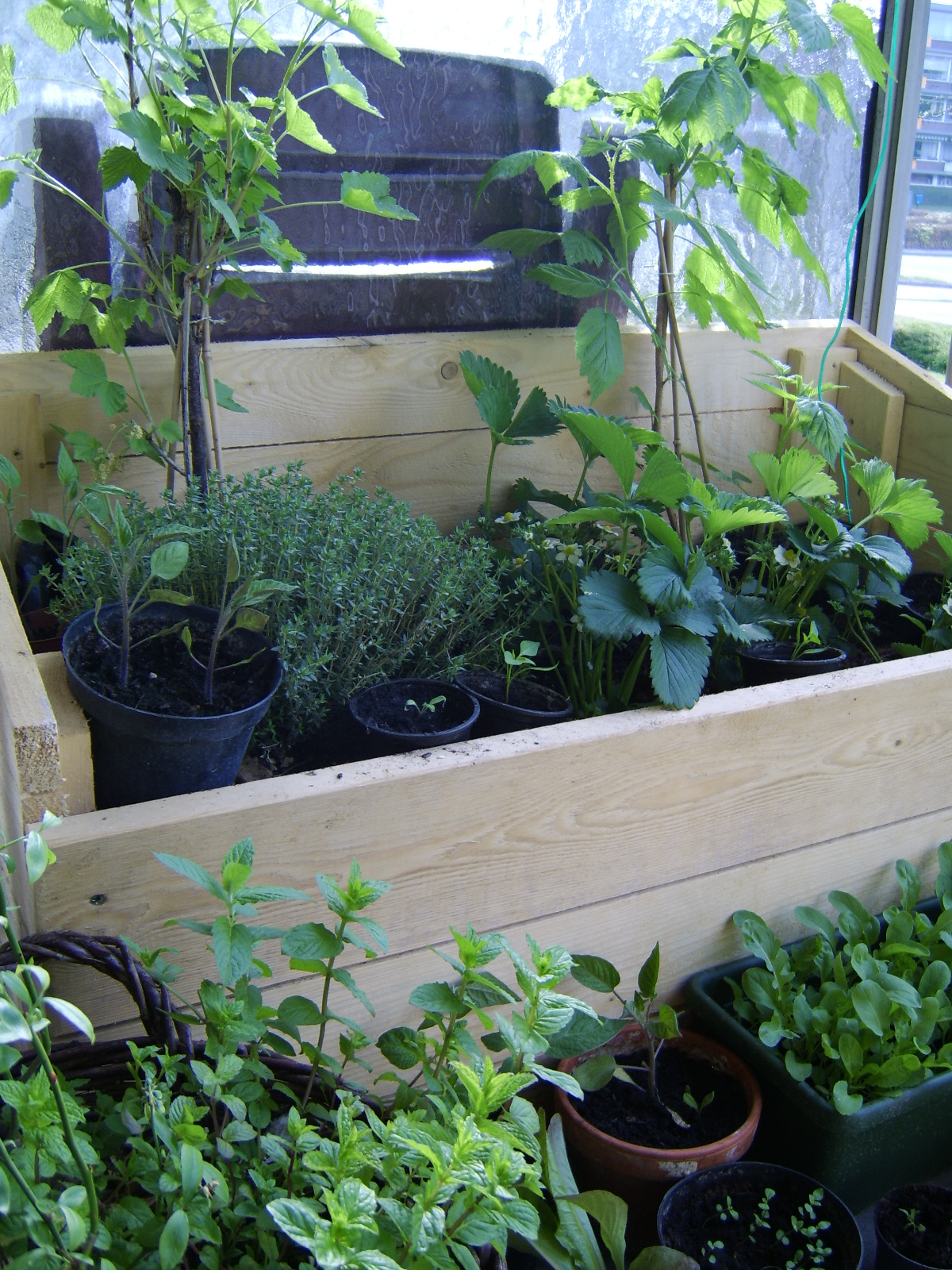
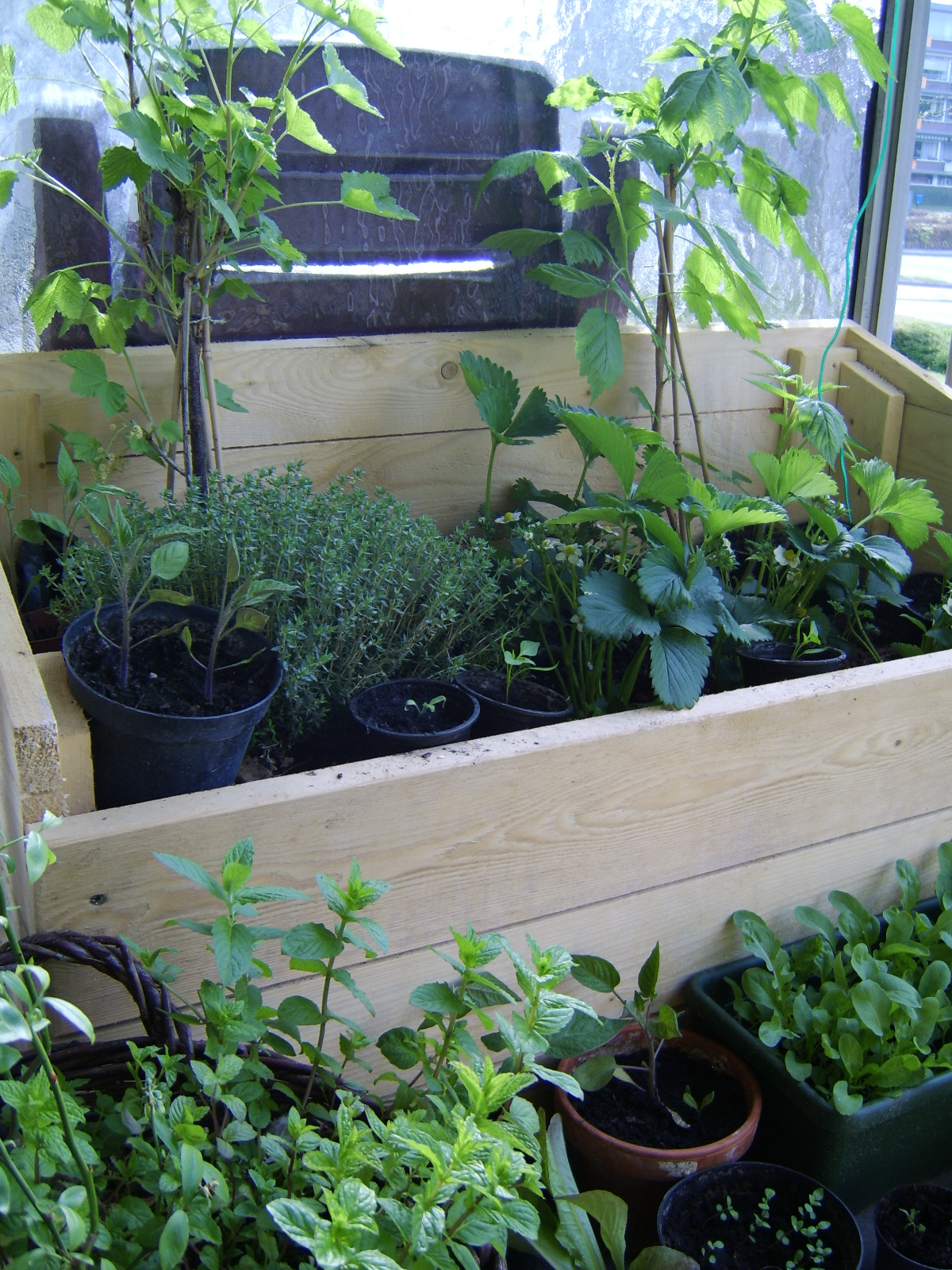
This is a precious time. Everyday a new shade of green appears with yet another tree coming out of its shell. It is the miracle of nature at work which I also intensely enjoyed growing up on a farm. Our balcony is joining the green forces; snow peas, tomatoes, lettuce, kale, herbs, flowers, brocoli, peppers, strawberries, red currants, raspberries. In part this nursery provides the allotment garden.

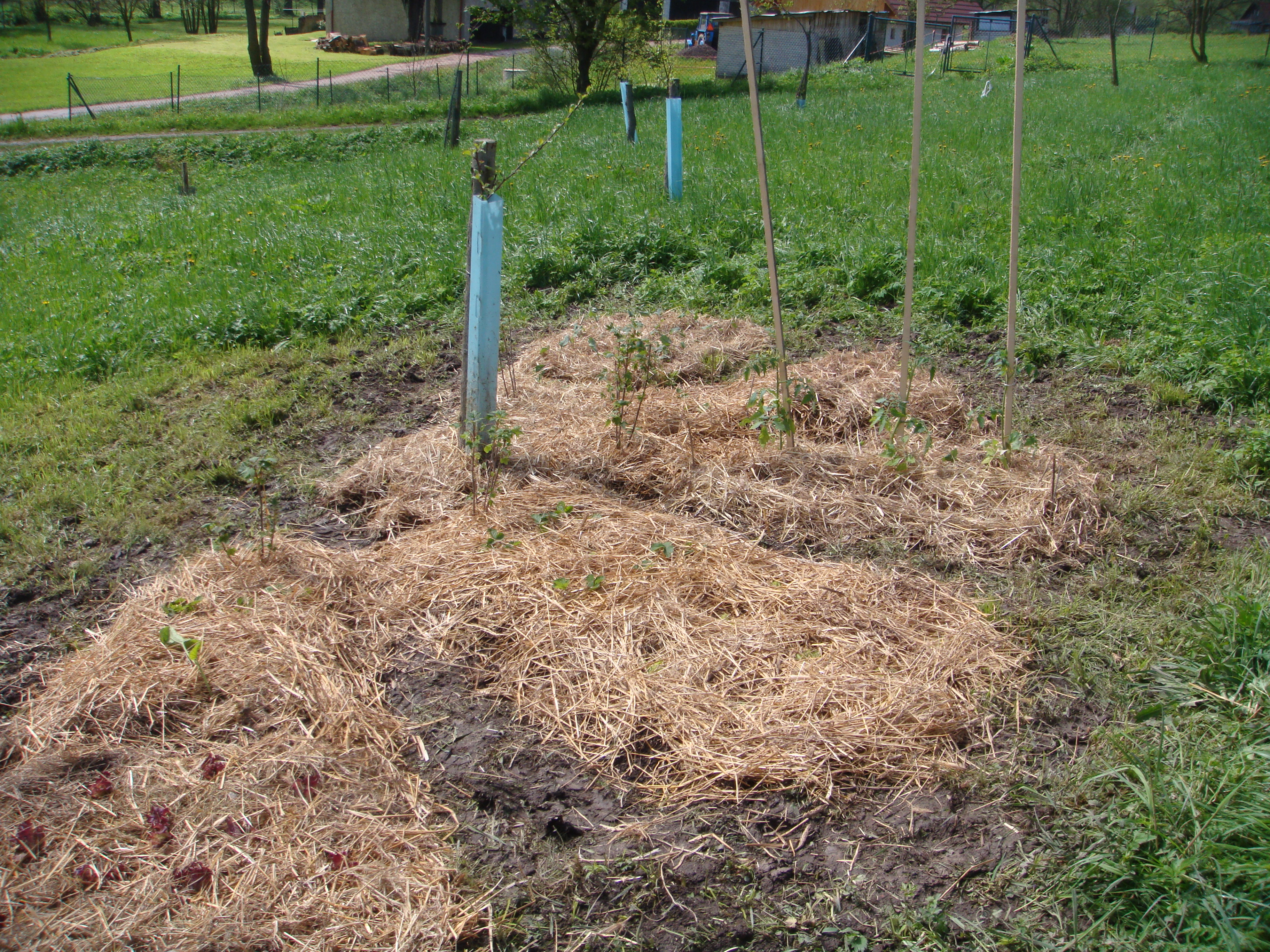
But yesterday we tried something new. We joined the guerilla gardeners who “attacked” the Netherlands this weekend in 7 municipalities. Guerilla gardening has blown over from the US and the UK and is about making public space in urban environments greener and more edible. Quite literally in our case. We planted ‘red russian’ kale in our neighborhood grown from seeds of the Small Potatoes farm in Iowa.

Food Flight

The first people have entered the airspace again after almost a week of non-mobility at this side of Europe. While the large number of grounded people can slowly start to return, also freight transport by air can resume itself. Schiphol is packed with just-in-time deliveries such as consumer electronics and also perishable things like flowers, vegetables and fruit. Albert Heijn reported no immediate problems last week friday in the NRC just after the closure of Schiphol, but there was optimism then about the time it would take to re-open the airspace. Most of the supermarket’s food is transported over land, specific things like tropical fruit salad might get out of stock, the newspaper reported. It might be interesting to see what is not available anymore after a week of silence in the air. This extraordinary situation might further inspire the emerging practice of urban food planning and policy.

Food planning has risen in attention (see also earlier blogs) because of the “new food equation” (Morgan and Sonnino 2010). By this, the authors refer to a combination of factors which together make that food supply matters again as a political issue. They mention amongst others:

– Rapid urbanisation and rise of the number of people dependent on food supply

– Land conflicts and new colonialism

– Climate change effects such as water stress

– The food price surge of 2007/ 2008 and consequent food riots.

Food security, therefore, has become a national security issue again in many countries. So far, however, not really for us, it seemed. The ash coming down in silence might draw extra attention to the logistic miracle of keeping the shelves full with the thirty thousand items or more per supermarket each day. A vulnerability assessment of the food system might not be such a bad idea in the light (or darkness) of an eruption of the second, much larger volcano on Iceland.

Food romance

The rediscovery of food, as good food, as delicious goal in and of itself, as a link to doing good, fuelled organic, local and gourmet niche markets. In her excellent book Hungry City, Carolyn Steel investigates the relationship of us, urbanites, with our food. Is this a sign of reconnection?

For foodies – like me – there are ‘festival marketplaces’ where their romance with food can reach exhilarating heights in the face of so much authentic and artisanal products. One can marvel over the latest authentic chocolate, over that particular healthy seaweed and over this special free range chicken from France. The success of these type of markets – based on food tourism – suggests that we have not lost appetite for food, yet ordinary street markets are having a hard time.

“This seeming paradox”, argues Carolyn, ” is explained by the fact that food is not embedded in our culture. We only lavish time and money on it when we are ‘treating ourselves’ not as part of daily routine.”

She concludes therefore, that these festival food markets are in fact “a manifestation of our overwhelming disconnection with food”. In similar fashion Dan Barber is critical about our real connection to food in this TED talk where he gives a hilarious account of the romances he had with two fish. As he shows, restoring the regenerative capacity of our ecology is the only real connection to quality food.

Chicken wings and cat feed

In our wealthy nations quality food is treated as a speciality, for those occasions where we have something to celebrate – maybe…because those chicken wings on offer this week cannot be left on the supermarket shelve….

source; felinefuture.comIn the words of a radio advert of an animal welfare Ngo; “this week chicken wings, again cheaper than cat feed. Ever asked yourself how this is possible?” Cheap food comes at a price, the price we do not pay directly, we pay indirectly, by becoming resistant to antibiotics we heard last week. Its heavy use in amongst others the chicken industry poses serious human health consequences.

The Dutch supermarkets are notorious for their narrow low price/best deal strategies. In his excellent analysis “Het boodschappenbolwerk” of the insular Dutch supermarket branch Frits Kremer shows how this sector has been able defend, divert, ignore and ridicule quests for more responsiblity on their part for a sustainable food supply chain.  Contrary to many of their European colleagues, they hide behind ‘this is what the consumer wants’ instead of taking the kind of leadership which their market power obliges.

University Food Culture (4)

source: vandaag.be

“If you see students eating sandwiches in the corridor, you can be sure they are Dutch” said a foreign colleague to me. Eating an apple or sandwich on the way to somewhere is apparently a particular habit not a general one. Eating like this, skipping a meal but grazing bits on the go reduces lunch as a mealtime to a series of sandwiches spread over the day. It brings the amount of meals – as social events –  back to two or one (or maybe none) if there is no morning meal neither.

In the middle ages, it was also custom to only have two meals a day, ‘ochtenmael’ and ‘aventmael’. Breakfast entered the scene when the morning meal was eaten later, towards noon. Breakfast then, was a small bite ‘on(t)biten’ to bridge time towards the big noon meal. Nowadays it seems that the cultural significance of lunch as meal and marker of the day is decreasing. More people eat lunch while doing something else and eat food items such as sandwiches as matter of private nourishment (see blog).

But also, the National Catering Survey, commercial research by Foodstep of catering habits shows that the turnover of enterprise and public canteens is decreasing (Misset Catering nr 1 feb 2010). More people eat a home brought lunch; the lunch box – broodtrommel – is a serious competitor for catering companies. The primary reasons given is the increasing ‘rationality’ of the consumer; more people are ‘price conscious’ and refrain from a ‘luxurious’ lunch but rather go for simple and quick. The rational consumer needs to be brought back in the canteen with the creation of ‘pleasure experience’ according to the article.

Another conclusion of course is that, apart from possible erosion of lunch culture, what the catering has to offer seems not able to compete with homemade. The question is if this only has to do with the supposed rationality of the consumer (see earlier blog). The article also noted that while almost three quarter of the respondents know the concept of corporate social responsibility and one quarter of consumers are consciously choosing sustainable products, catering companies cannot be caught busy with transforming  their catering concepts. The creation of more ‘experience’ around the food while not addressing the quality and origin of the food itself will probably not bring many people back to the canteen.