
Are you dreaming of an agroecological world in which farming is inclusive and where allies can work together for a fair food system? Mycelia of Hope is looking for an intern who wants to work on the agroecological pillar of social justice and who wants to make Mycelia of Hope – and the broader agroecological movement – inclusive and caring for people who are marginalized, structurally disadvantaged or in precarious situations.
Mycelia of Hope is a working group within the agroecology movement, in which we build
bridges between farmers, activists and other allies. During our on-farm working days,
activists learn about agroecological practices and can share knowledge on (food) system change. At the same time, farmers can share practical knowledge on agroecology and provide a space to come together, learn and collaborate.
As inclusivity is a struggle in big parts of the European agroecological movement, Mycelia of Hope experiences difficulties in being inclusive and accessible for people in precarious situations. Therefore, we are looking for an intern who wants to help find practical solutions for both Mycelia of Hope and the whole agroecology movement.
Main responsibility
The internship is open for your own suggestions and together we will look at what is most in line with your own ideas. There are two main projects we want to work on: social justice within Mycelia of Hope and social justice within the (Dutch) agroecological movement. As an intern, you can pick one of these two to focus on and we can adjust the tasks accordingly.
Social Justice Mycelia
● Setting up a structure to connect migrants and farmers.
● Find potential ways to compensate migrants for farm work in a fair manner for both the farmer and migrant.
● Look into the legal aspects of the work, funding, and processes.
● Get in touch with other similar projects in different countries or on different topics.
Social Justice Agroecological Movement
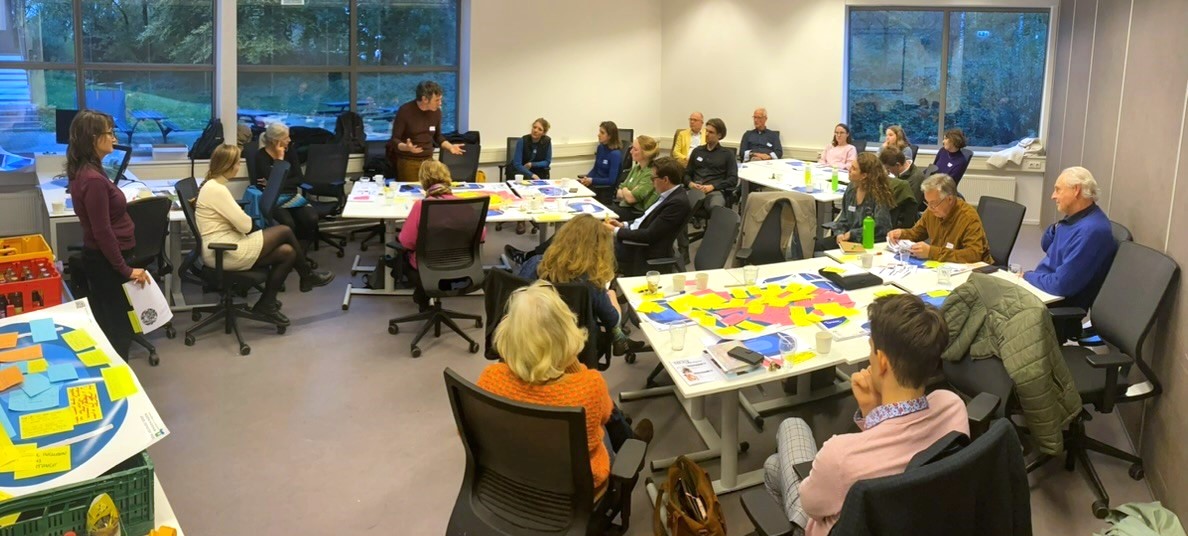
● Organize a workshop/skillshare on inclusivity in the agroecological movement: invite people who work on this, who struggle with this or who found solutions.
● Perform a small research project on inclusivity/accessibility within the agroecological movement.
● Interviews/questionnaires with farmers who want to think with us about this topic.
Other Possible Responsibilities
● Share group facilitation with the other group members: Facilitate and coordinate the activities and meetings of the working group in a rotation with the other members of Mycelia of Hope
● Help to organize Farming Days
● Create a detailed agenda for our working days
● Website development
Requirements
● Passion for sustainable agriculture, agroecology, and inclusivity/social justice.
● Organizational and communication skills.
● Ability to work collaboratively in a diverse team environment.
● Ability to work independently
● Demonstrated experience in project coordination or related roles is a plus
What we offer
● A working space in Wageningen (or possibly in Amsterdam)
● A lot of freedom within the focus of the internship
● Horizontal teamwork
● Opportunity to meet our wide network in the agroecological movement
● An office dog
How to Apply
If you are enthusiastic about participating in transformative projects and believe in the
potential of Mycelia of Hope, please submit your resume, and a motivation letter outlining your relevant experience and personal motivation for joining the project, to
st.boerengroep@wur.nl. Please include reasons what you are enthusiastic about and how you would like to shape the topic into something you are passionate about.
Application Deadline: 30th of December
Start Internship: February 1st (date is flexible)
The Mycelia of Hope Project is an equal-opportunity employer. We encourage applications from individuals of all backgrounds and experiences. Join us in cultivating sustainable change and fostering a sense of belonging within our community!




 Rural Sociology Wageningen University