
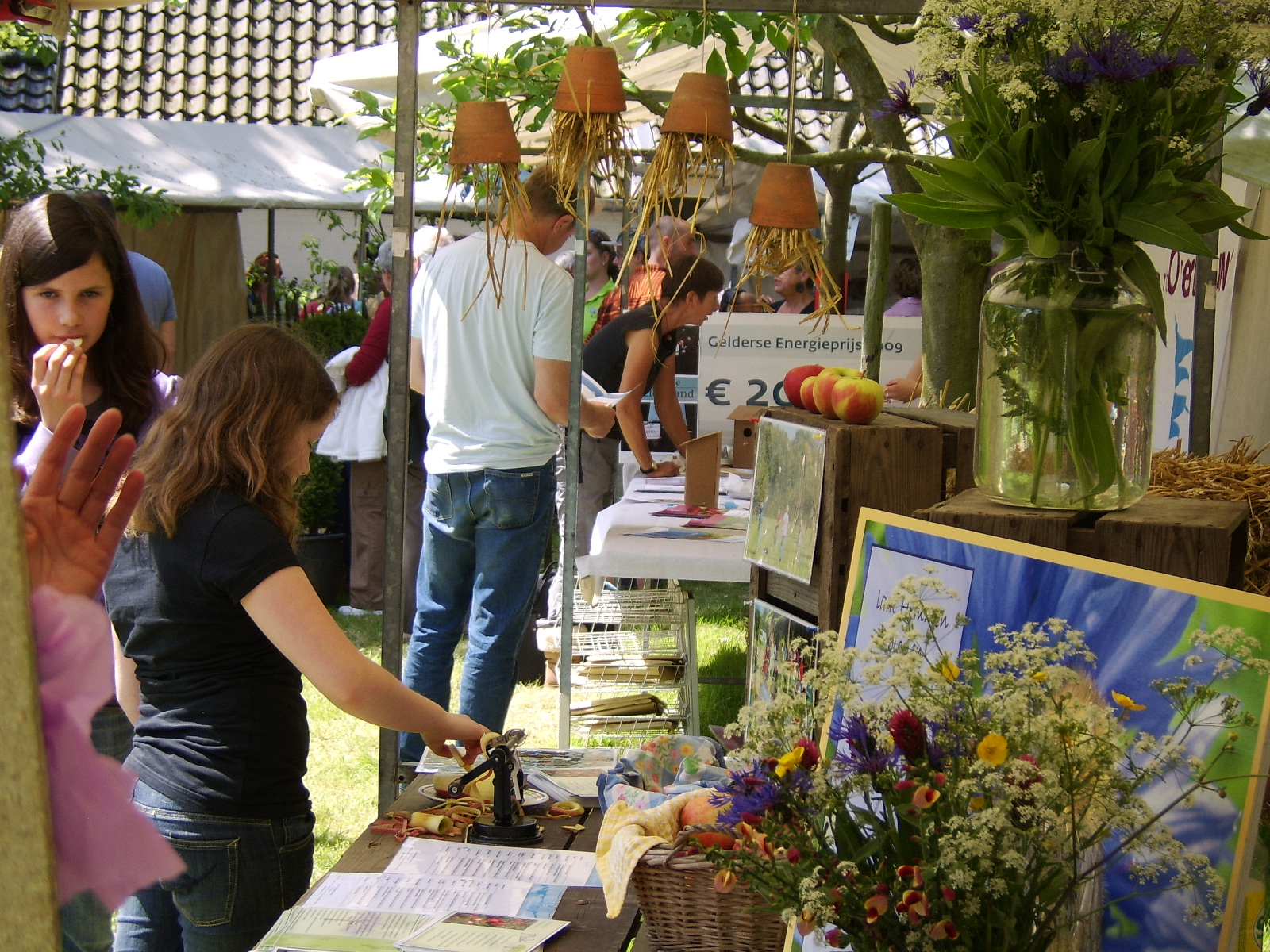
 It was great weather at the Sustainability Festival in Hemmen last saturday. And buzzing with people at the various places in Hemmen where small scale activities were organised. At the Smidse, which was the main organiser, there was a market with sustainable products such as ecological garden design, electric cars, sustainable paint and a collective who wants to develop a housing site with straw/wood constructed houses.
As ngo Stichting Hemmens Land we also had a stall to launch our new project “Hemmens Land in Bloei”. More than 30 people adopted pieces of 15 square meters of flowery field margin. There are too few flowers which affects the butterfly, the Gelderlander had just reported that same day. Indeed, the adoption of 15 square meter of flowery field margin serves multiple purposes which all come down on enhancing biodiversity, which again the Gelderlander noted down during the festival.
It helps the organic farmers in Hemmen in their pest control, it enriches the landscape and it supports the bees and butterflies which are under treat. On two pieces of land in Hemmen, one of which is opposite the bee-stall which will receive hives from Wageningen during this year, we have sown 3000 m2 with a mixture of more than 20 field flowers fitting the clay soil of this area. The two pieces will be marked with a sign where adopters can see the landscape and pick some flowers. In fact, the year subscription to a piece of flowery field margin is not more expensive than an average bundle of flowers from a shop.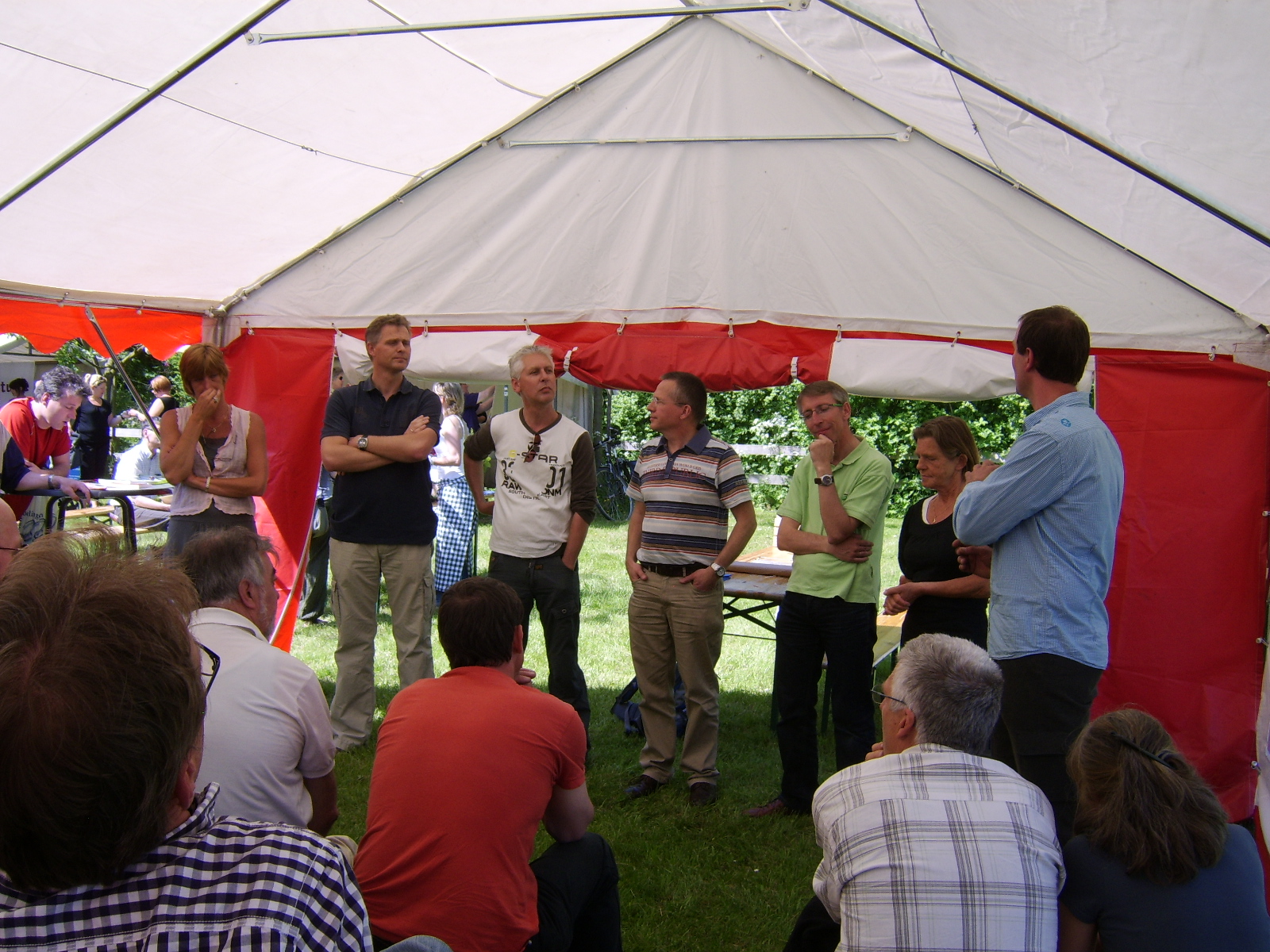
The municipality of Over-Betuwe was well represented during the political debate in the afternoon. All parties in the council were present to give their vision on sustainability in Over-Betuwe. The municipality has a very ambitious sustainability policy with no less than 73 action points to become climate neutral in 2030. A much debated policy since the current times of budget cuts and elections make priorities necessary.
A citizen initiative that actually aims to enhance biodiversity, one of the points in the action plan was therefore welcomed by the municipality. After the political debate, it was time for all ‘sustainability’ initiatives in and around Hemmen to present their projects and businesses. During the presentation of the field margin project of our ngo, the municipality came forward with a donation of 250 euro for our “Hemmens Land in Bloei” project, which we appreciate very much.
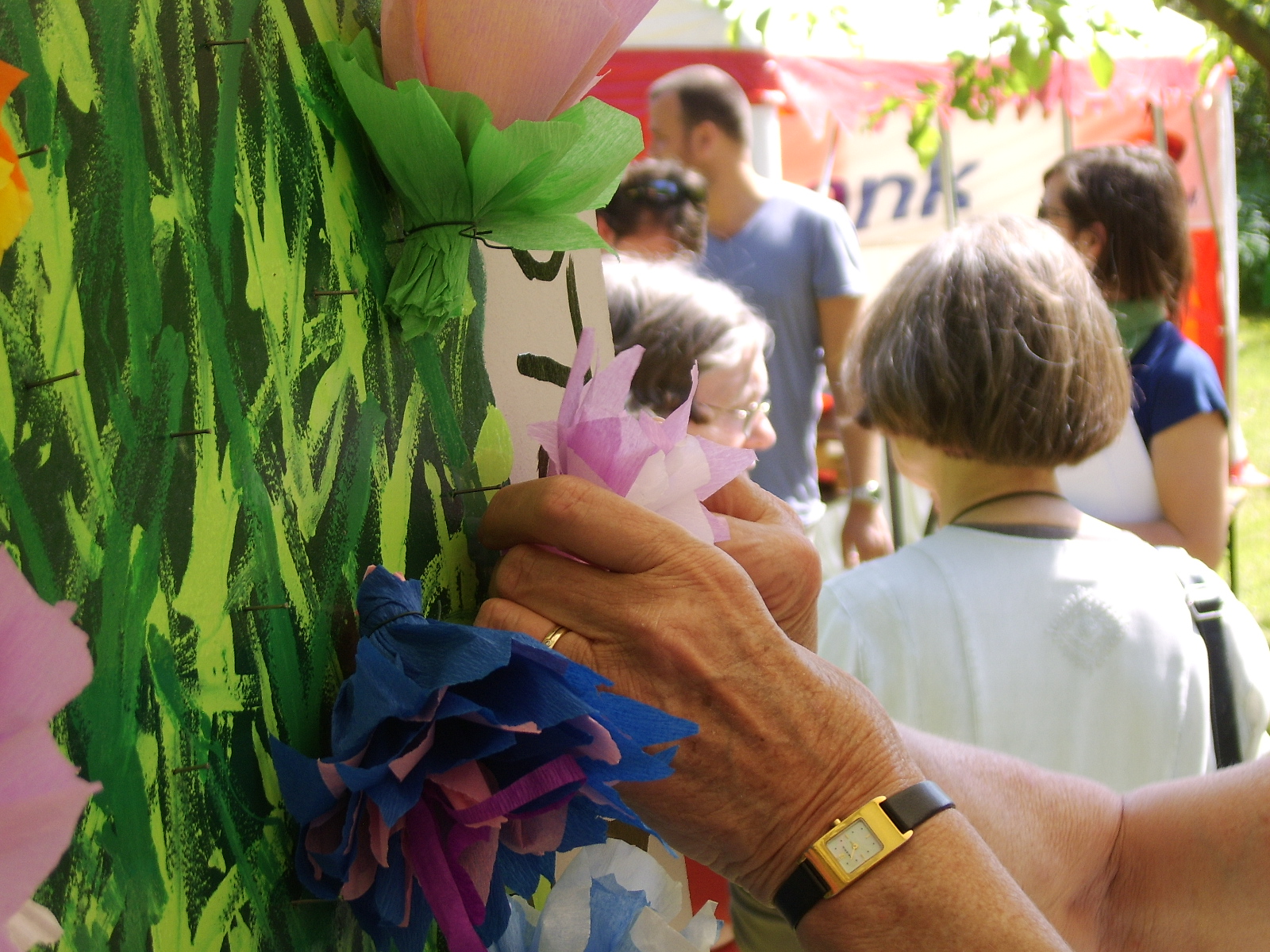 With their support and the first 30 citizens as adopters we made a good start last saturday. Coming sunday we have a stall at the fair in Elst. Quite a few adopters more we need before we have the 3000 m2 covered. And if we succeed we are dreaming for next year of a longer field margin along the Hemmensestraat which would make a beautiful entrance to the village.
 Rural Sociology Wageningen University