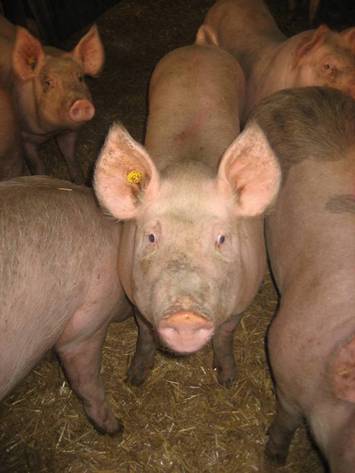
Op Foodlog is gister een filmpje geplaatst over de varkens van Dinie en Paul Jansen. Zij ontvangen daarmee één beter-leven-ster van de Dierenbescherming. De blog eindigt met de oproep “Vertel wat u vindt, voelt, ziet en wat zou u nog meer willen weten na deze kijk in de stallen”. Dat prikkelt mijn zintuigen en snel kijk in naar de reacties die reeds geplaatst zijn. Annechien ten Have schrijft “Ik ben heel benieuwd hier op foodlog te horen wat de niet-varkenshouders vinden van deze stal”. Dat is precies wat ook ik graag wil weten, want we zijn momenteel een onderzoek naar burgerpercepties van de varkenshouderij aan het afronden. Voor dat onderzoek hebben we met burgerpanels varkensbedrijven bezocht.
Aan de ene kant staan er veel positieve reacties, met name over het welzijn van de varkens. Zo schrijft Robin: “Ze zien er blij en happy uit. Zo’n bal met een belletje erin lijkt me ook wel wat voor ze”. Maar er staat ook een uitgebreide reactie van Flourine Boucher die haar zorgen uitspreekt: “Het spijt mij, maar ik weet niet goed wat ik hier van moet denken. Blijkbaar is dit een voorbeeld van goede varkenshouderij. Het ziet er schoner en ruimer uit… Toch wordt ik er niet blij van. De massaliteit staat me tegen” Haar zorgen hebben met name betrekking op het niet naar buiten gaan van de dieren en beperkte mogelijkheden tot het uiten van gedrag. Ze zegt er nadrukkelijk bij “Gedegen kennis van varkensgedrag ontbeert mij. … Mijn tegenstrijdige gevoelens bij het zien van dit filmpje beletten mij een beredeneerd oordeel te vormen.” Franka sluit zich hierbij aan en heeft “ook wel last van ambivalente gevoelens”.
Interessant! Herkenbaar! – zijn de woorden die direct in mij opkomen zodra ik hun reacties lees. Om twee redenen.
Ten eerste, Nederlanders hebben weinig ervaring meer met de veehouderij en deze reacties laten zien hoeveel vragen zo’n filmpje oproept. Bijvoorbeeld over diergedrag (vechten of spelen?), handelingen aan de dieren (staart couperen of niet?), het staltype (hoeveel staloppervlak per varken?) en de productieketen (waar komen de biggen en het voer vandaan?). Tijdens de bedrijfsbezoeken kwamen dezelfde soort vragen en onderwerpen aan bod. Deelnemers stelden veel vragen aan de veehouder en de meeste deelnemers vonden het dan ook een hele leerzame dag. Het mooie van dit foodlog is dat varkenshouder Paul Jansen de vragen van de lezers persoonlijk beantwoordt en de lezers zelfs uitnodigt om een kijkje te komen nemen op het bedrijf. Dat is mooi, want zo kunnen mensen zelf zien en ervaren wat een bedrijf inhoudt en op grond daarvan hun mening vormen.
Ten tweede, geven de twee bovengenoemde reacties de kern van de resultaten van eerdere onderzoeken weer: ambivalentie. Men vraagt zich bijvoorbeeld af wat goed is voor de varkens en tegelijkertijd goed is voor de veehouder – die moet er immers een boterham mee verdienen. Dergelijke ambivalentie verwijst naar de ‘two faces of modernity’ : Aan de ene kant wordt moderniteit gewaardeerd dankzij technologische vooruitgang en ontwikkeling en bijkomende voordelen zoals efficiente voedselproductie. Maar aan de andere kant kunnen diezelfde ontwikkelingen een bedreiging vormen voor tradities en natuurlijkheid in de veehouderij. Dan komt bijvoorbeeld het welzijn van de dieren onder druk te staan. Op Foodlog laat varkenshouder Paul zien hoe hij hiermee omgaat en welke keuzes hij heeft gemaakt. Zo heeft hij eerder gezegd: “Ik weet één ding zeker: ik wil niet zo groot mogelijk en zo industrieel mogelijk. Dat is voor mij niet de weg om te gaan. Ik geloof in een boerenlandbouw met oog voor de menselijke maat.” Het is inspirerend om te zien en lezen hoe Paul het gesprek met de samenleving aangaat, door zijn eigen verhaal te vertellen!

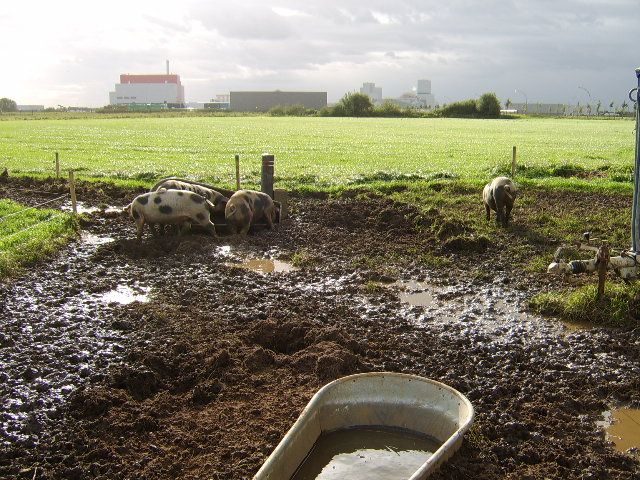
 The story continues with the feeding (see earlier blogs). Feeding Alie, Rinus, Anna and Bom was my task. For the afternoon snack I collected half a bucket of acorns along the street. They looked like vacuum cleaners, quickly hovering up the spread around acorns. For dinner they first ate some bananas, spread around again to make it possible for me to reach the feeding hod with cooked potatoes. The moment the potatoes hit the hod they stormed at it to be the first. The second round of soaked muesli in milk ended in my a narrow escape from being run over.