We’re delighted to share that the call for panels, roundtables, workshops, and tutorials is now open for the XXI IASC Biennial Conference, taking place 21–25 June 2027 in Makassar, Indonesia, with opportunities for online participation.
We’re especially proud that our colleague Oona Morrow is serving on the programme committee, reviewing submissions for the Food as a Commons theme.
This theme challenges the dominant view of food as a commodity and instead explores food as a shared resource that is governed collectively, valued beyond markets, and essential for social and ecological justice. It welcomes contributions on topics including:
>> Governance and institutions for food commons
>> Shifting narratives and values around food
>> Decolonial, Global South, and more-than-human perspectives on food systems
Regional examples from Indonesia and neighbouring countries are particularly encouraged, alongside cross-thematic collaborations.
The theme aims to bring together evidence from food commons initiatives worldwide while co-developing policy proposals for Universal Food Access and strengthening North–South and South–South collaborations.
🗓️ Submission deadline: 12 August 2026
Please note that this is not the call for individual papers, but for those wishing to organise panels, roundtables, workshops, or tutorials.
We encourage our network of researchers, practitioners, policymakers, and community partners to consider contributing to this important conversation on resilience, collective action, and the future of food systems.
Find out more and submit your proposal here.
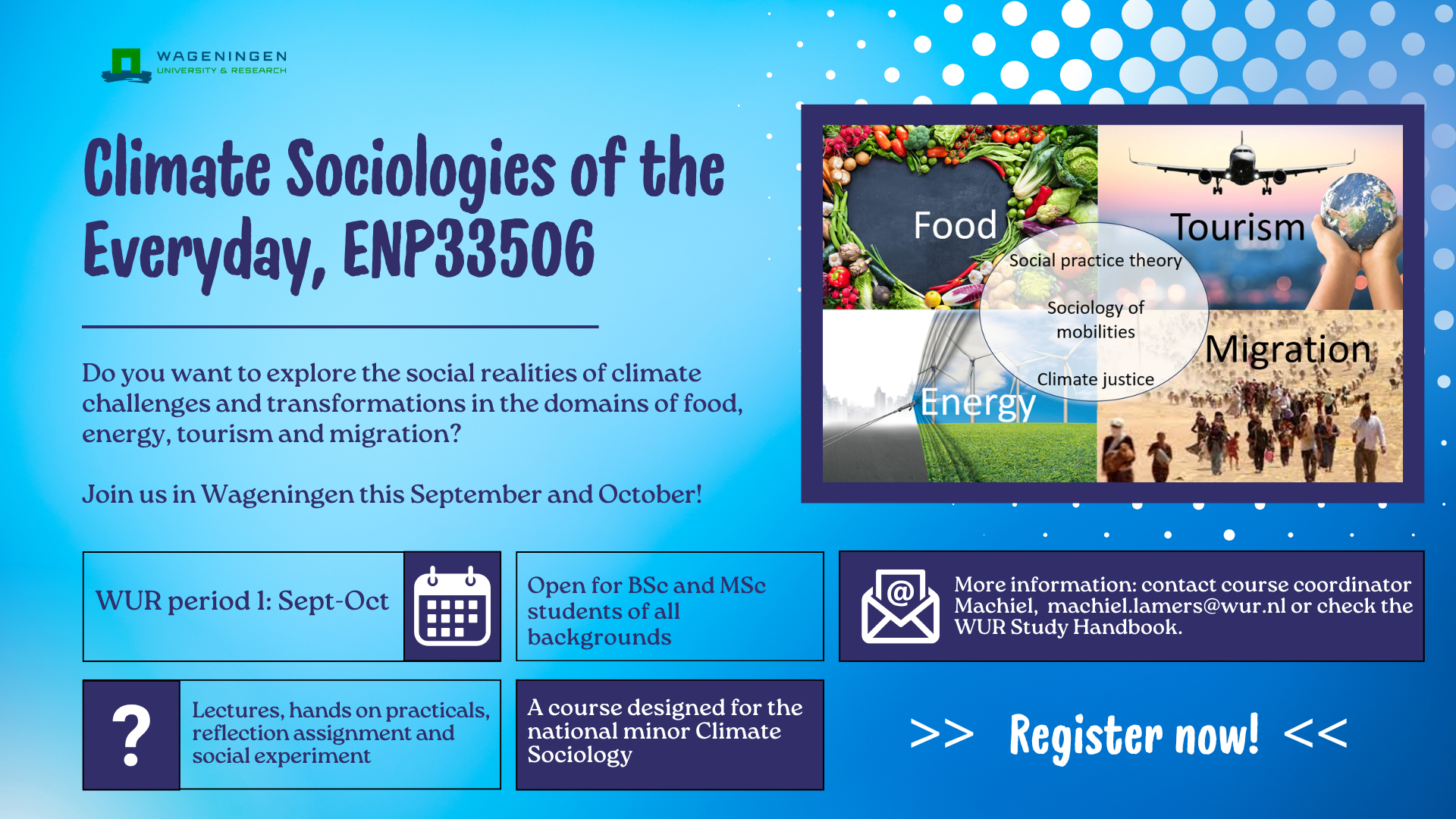
Great course | Climate Sociologies of the Everyday
How do climate change and societal transformation actually unfold in everyday life? Think about what we eat, how we travel, how we heat our homes, where we go on holiday, and how people move across borders.
This September–October, we invite BSc and MSc students from all backgrounds to explore these questions in Climate Sociologies of the Everyday (ENP33506) in Wageningen.
In this course, we look at climate change not only as a global environmental challenge, but as something deeply embedded in everyday practices across four key domains:
>> Food – from diets and consumption to plant-based transitions and food systems
>> Energy – from households to communities in the energy transition
>> Tourism – from high-carbon travel to climate-vulnerable destinations
>> Migration – from mobility and immobility to climate-driven displacement and adaptation
The course connects sociological theory (including social practice and mobilities perspectives) with real-world climate transformations, offering critical and applied insights into sustainability transitions.
📅 Period 1 (Sept–Oct)
📍 Wageningen University & Research
🎓 Open to BSc & MSc students
📘 Part of the national minor Climate Sociology
More information: contact course coordinator Machiel Lamers (machiel.lamers@wur.nl) or check the WUR Study Handbook.
Join us in rethinking climate change through the lens of everyday life.
In memoriam Henk Oostindie (English version)
It is with a heavy heart that we announce the passing of our beloved and greatly appreciated colleague, Henk Oostindie. Henk passed away on Thursday 21 May, just six weeks after his retirement from the Rural Sociology Group.
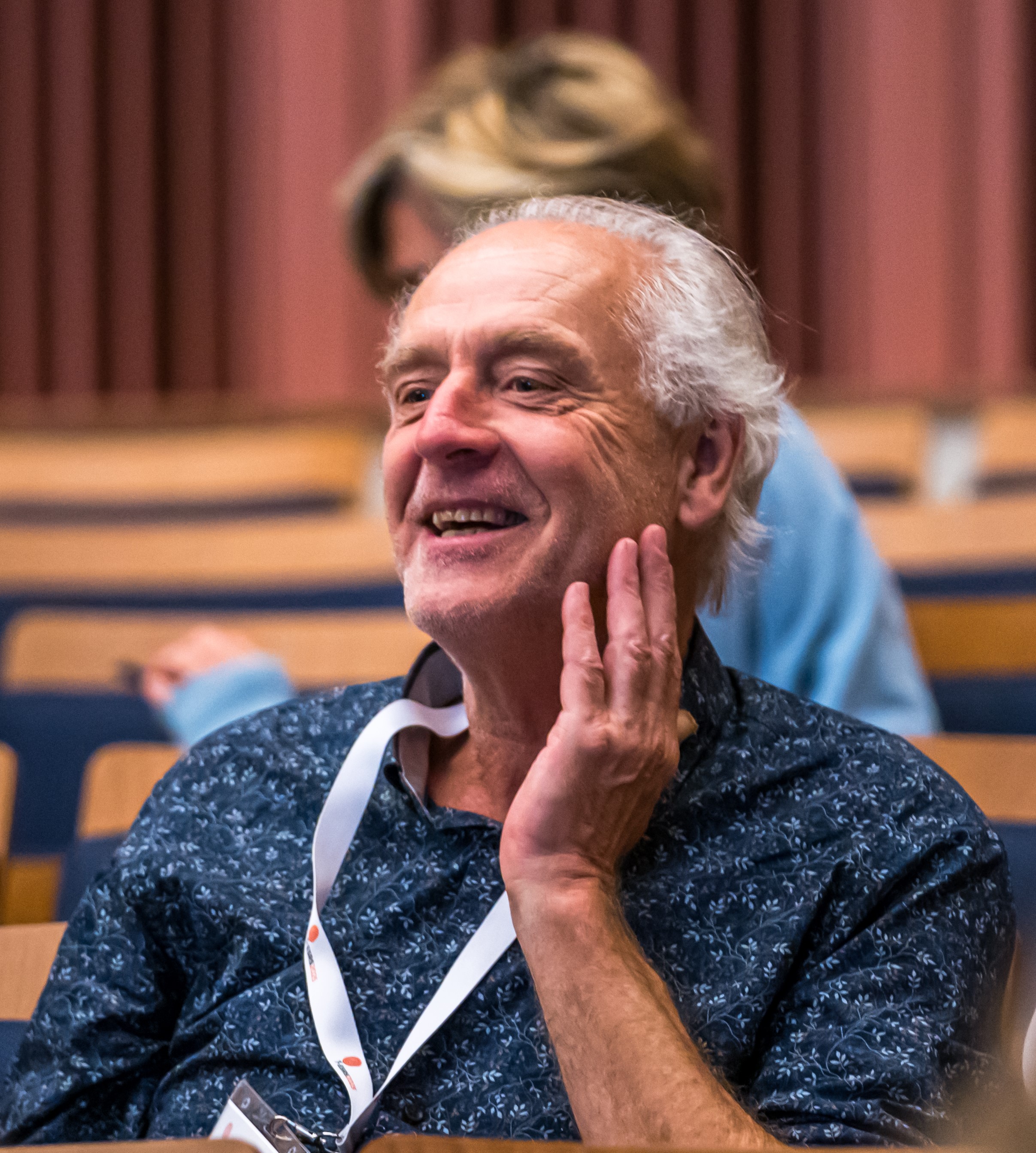
Henk was a rural sociologist from Wageningen through and through. Having graduated as an agrarian sociologist from Wageningen in 1990, he has, in fact, been affiliated with the Rural Sociology Group ever since. He began in the 1990s as a researcher on various farming styles projects and on the European CAMAR project, for which he also spent two years working and living in Portugal. From the turn of the century, he worked as a researcher (and later, de facto, as assistant professor) on mainly European research projects in the fields of rural development, multifunctional agriculture, short food supply chains and urban-rural relations. From time to time, these international projects were combined or alternated with teaching and with national projects, such as the ‘Dynamics and Robustness of Multifunctional Agriculture’ project, funded by the Ministry of Agriculture, Nature and Food Quality.
Continue readingIn memoriam Henk Oostindie (Nederlandse versie)
Met veel verdriet delen wij u mee dat onze geliefde en zeer gewaardeerde collega, Henk Oostindie, is overleden op donderdag 21 mei, slechts zes weken na zijn pensionering bij de Leerstoelgroep Rurale Sociologie.
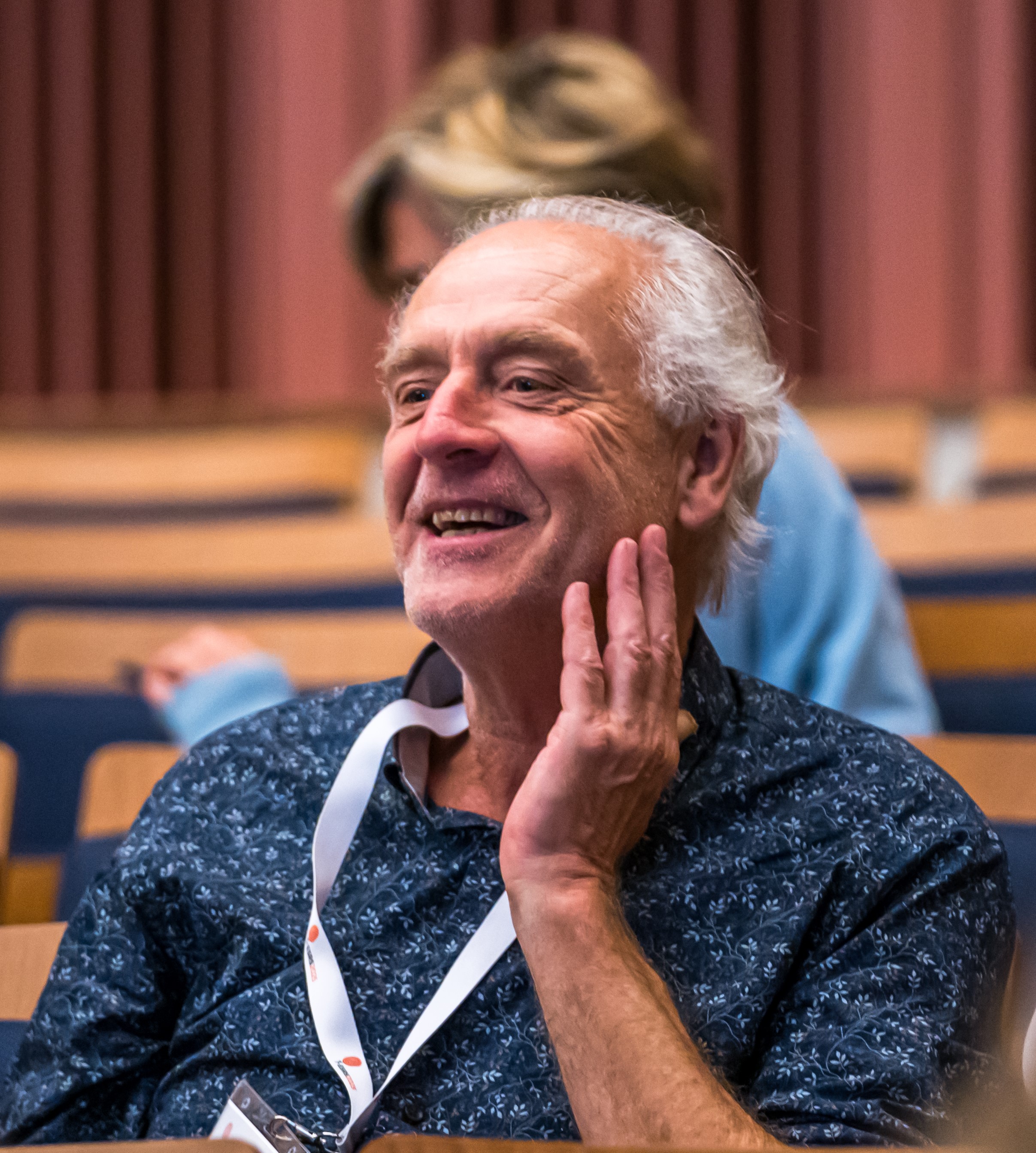
Henk was een Wageningse ruraal socioloog in hart en nieren. Afgestudeerd als agrarisch socioloog in Wageningen in 1990 is hij sindsdien eigenlijk altijd verbonden geweest aan de leerstoelgroep Rurale Sociologie. In de jaren ’90 begonnen als onderzoeker op diverse bedrijfstijlenprojecten en in het Europese CAMAR project, waarvoor hij ook twee jaar werkzaam en woonachtig was in Portugal. Vanaf de eeuwwisseling als onderzoeker (en later de facto als universitair docent) op voornamelijk Europese onderzoeksprojecten op het gebied van plattelandsontwikkeling, multifunctionele landbouw, korte voedselketens en stad-platteland relaties. Bij tijd en wijle werden die internationale projecten gecombineerd of afgewisseld met onderwijs en met landelijke projecten, zoals het door het Ministerie van LNV gefinancierde project ‘Dynamiek en Robuustheid van Multifunctionele Landbouw’.
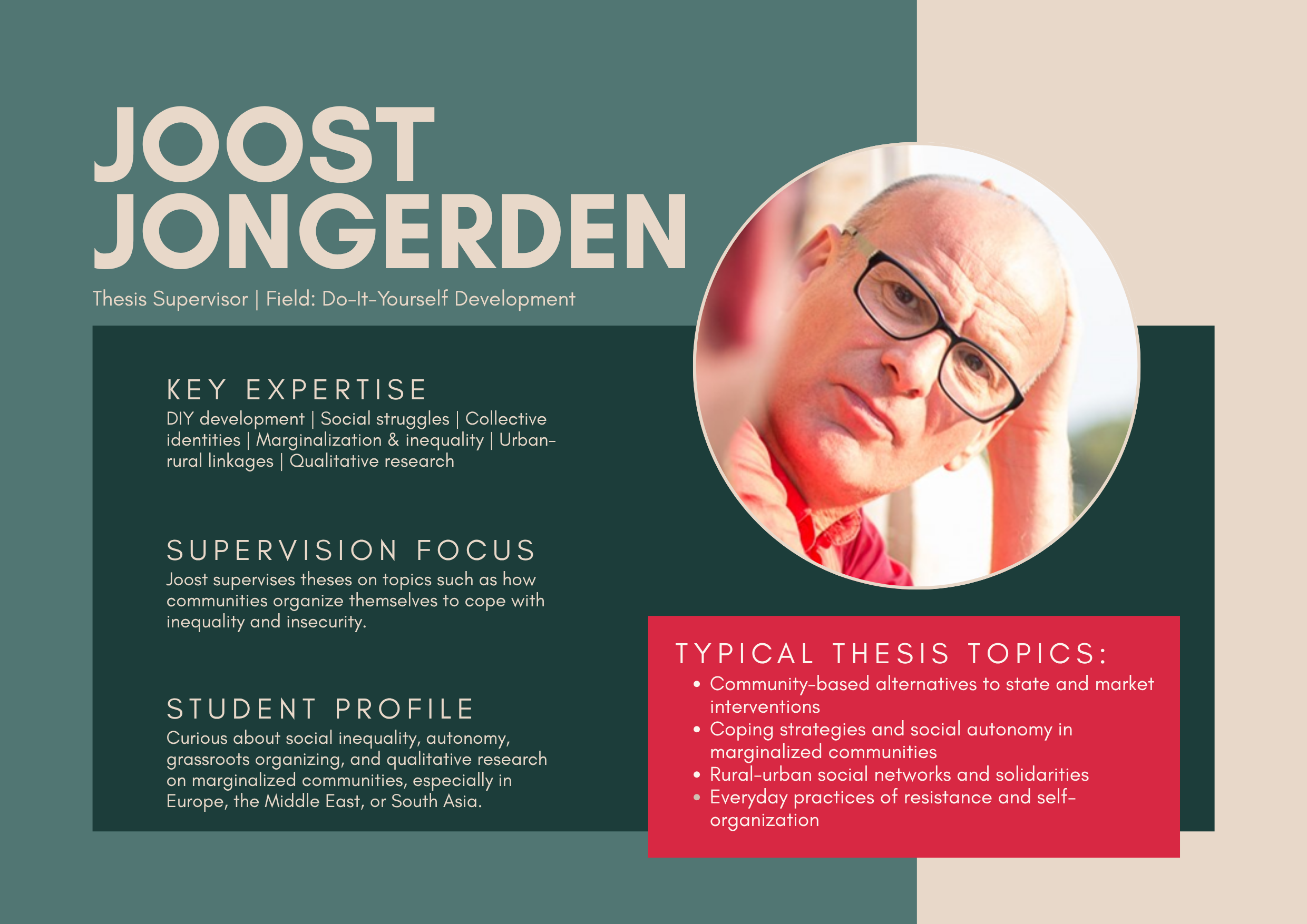
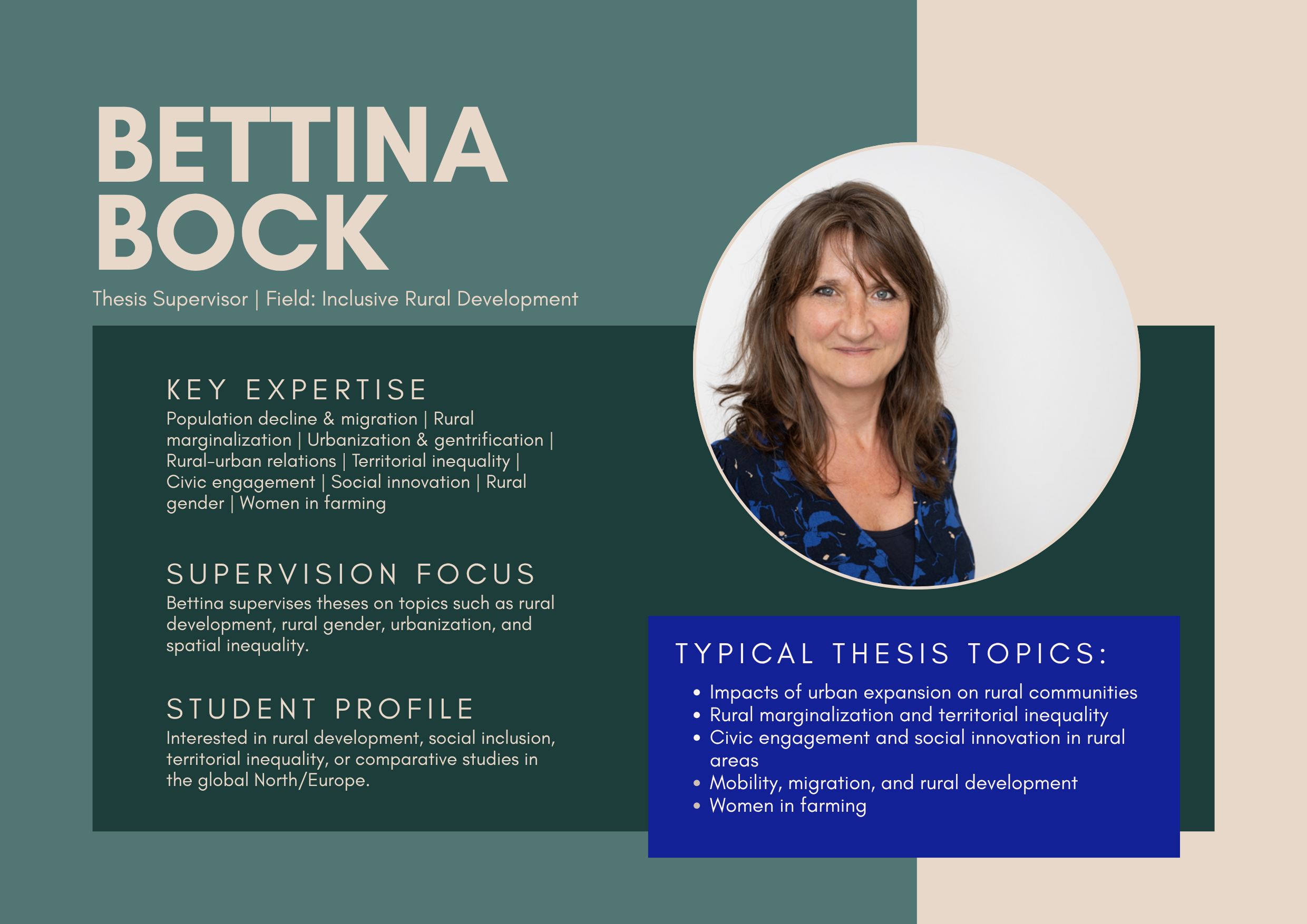
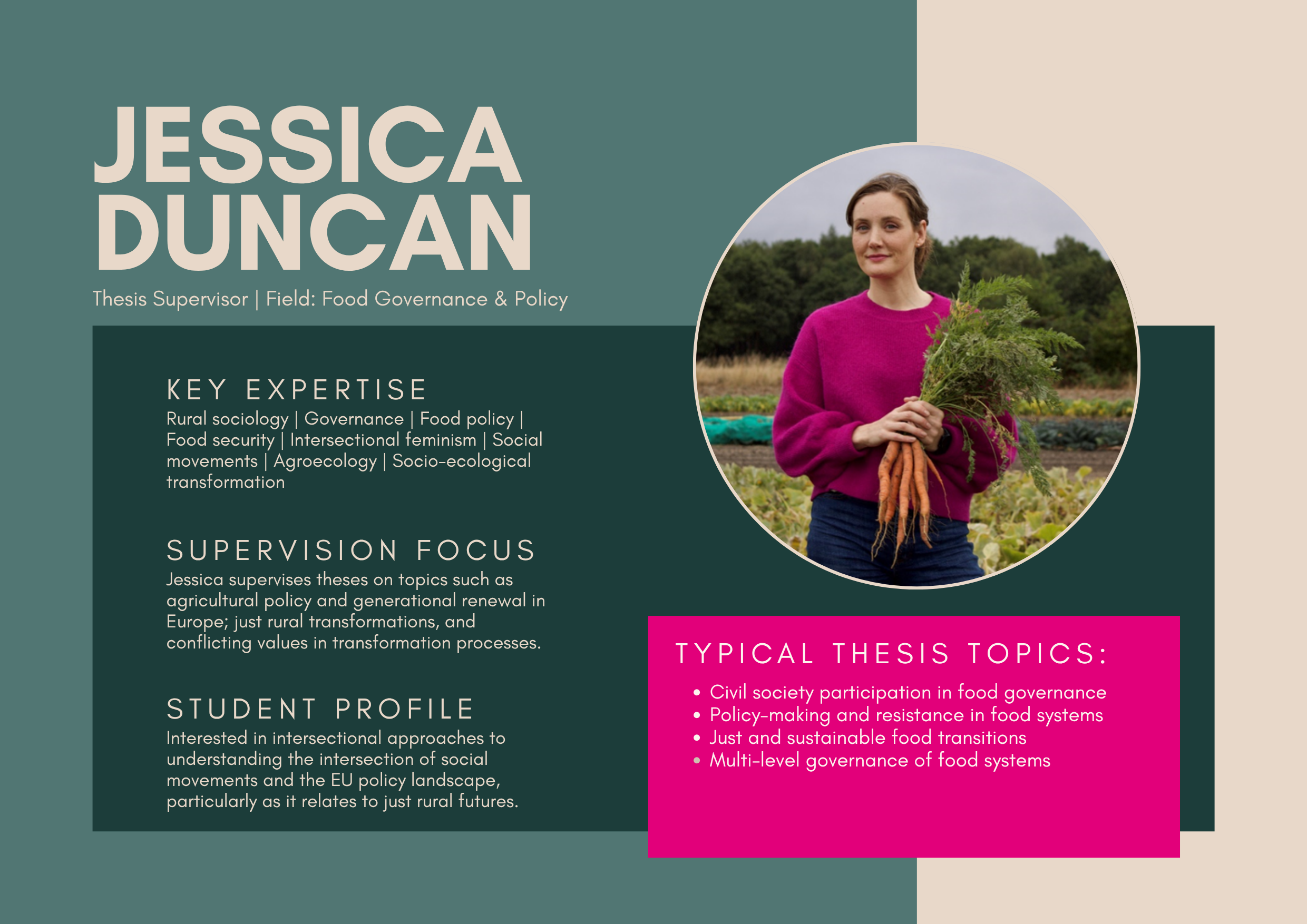
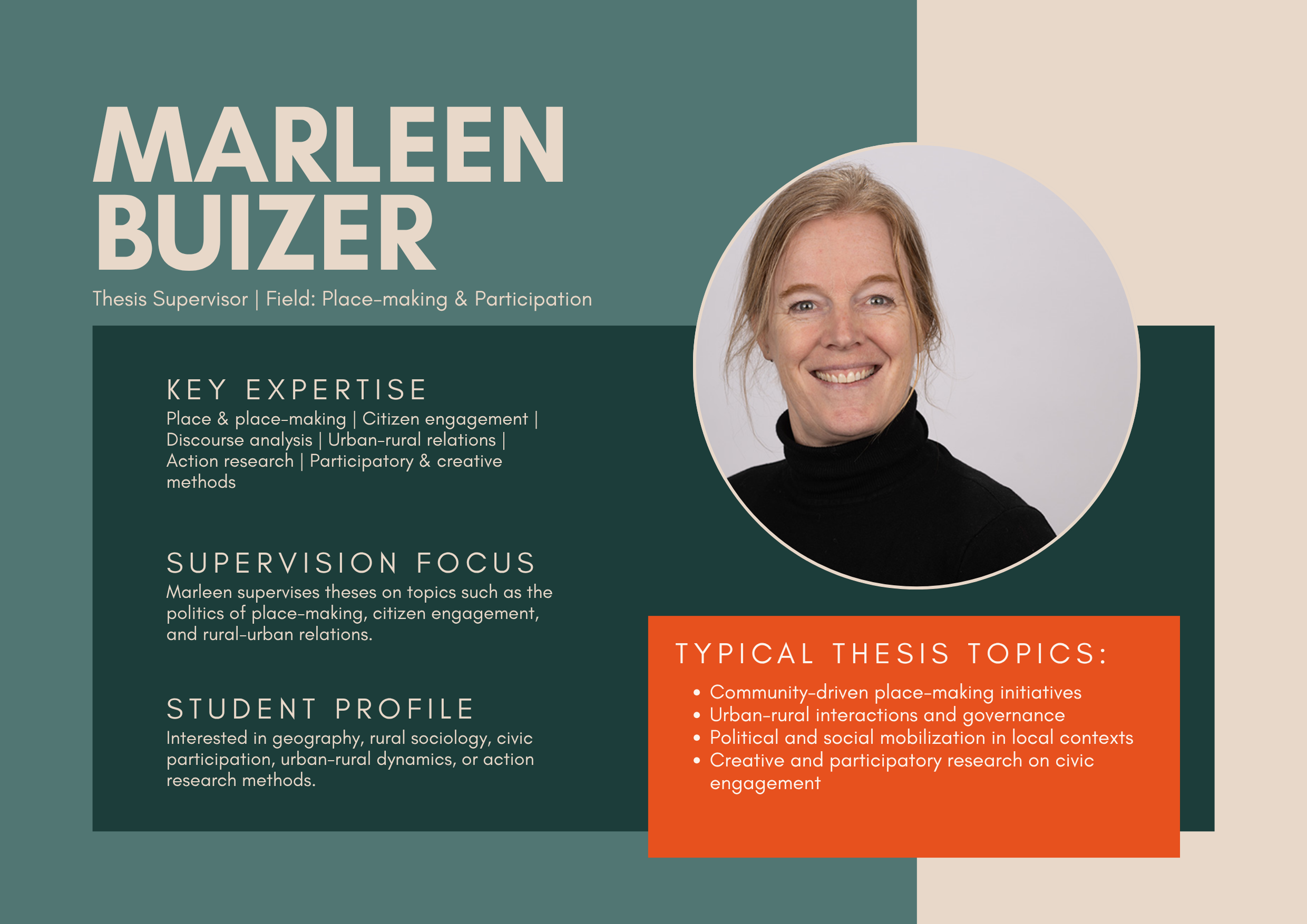
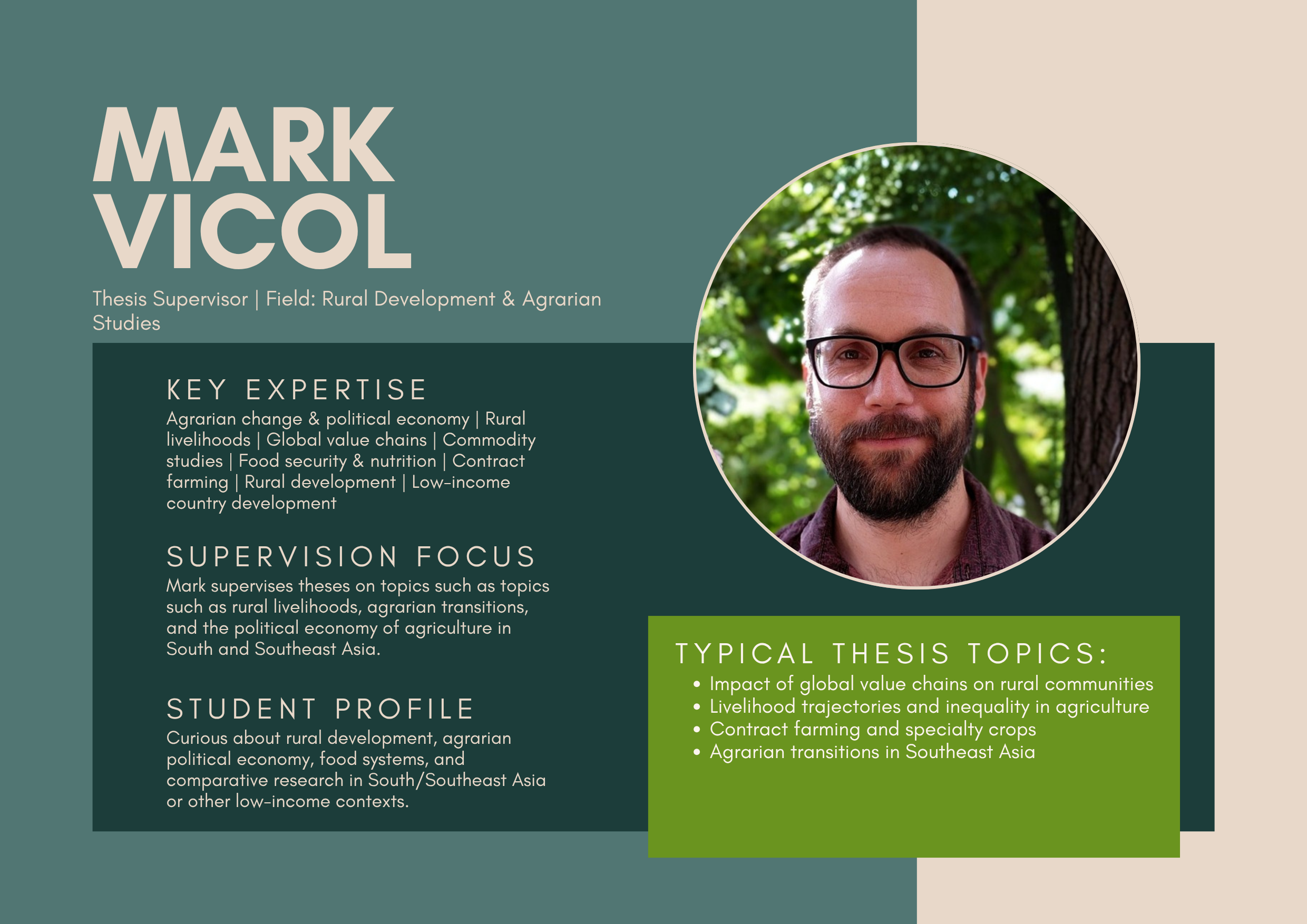
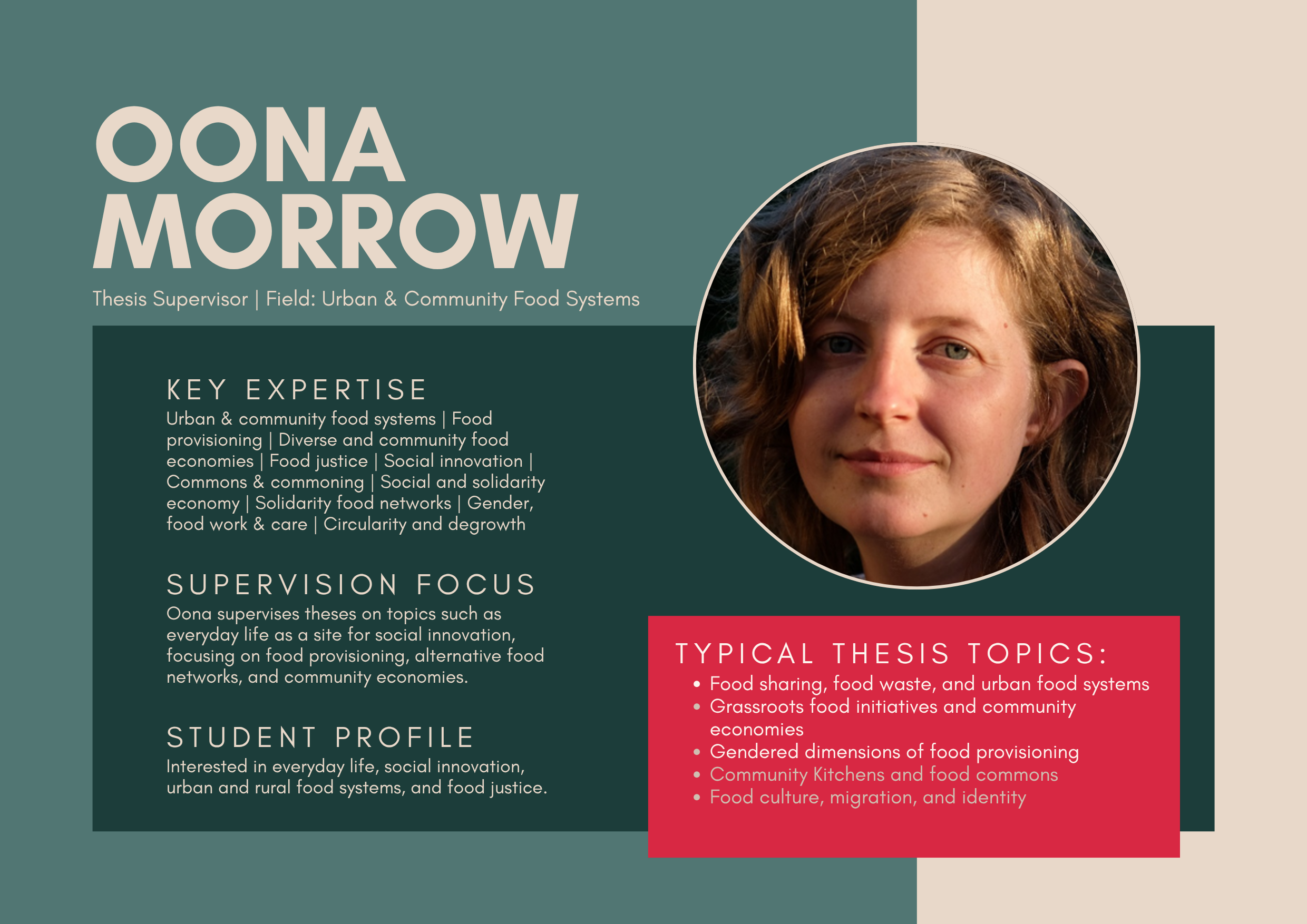
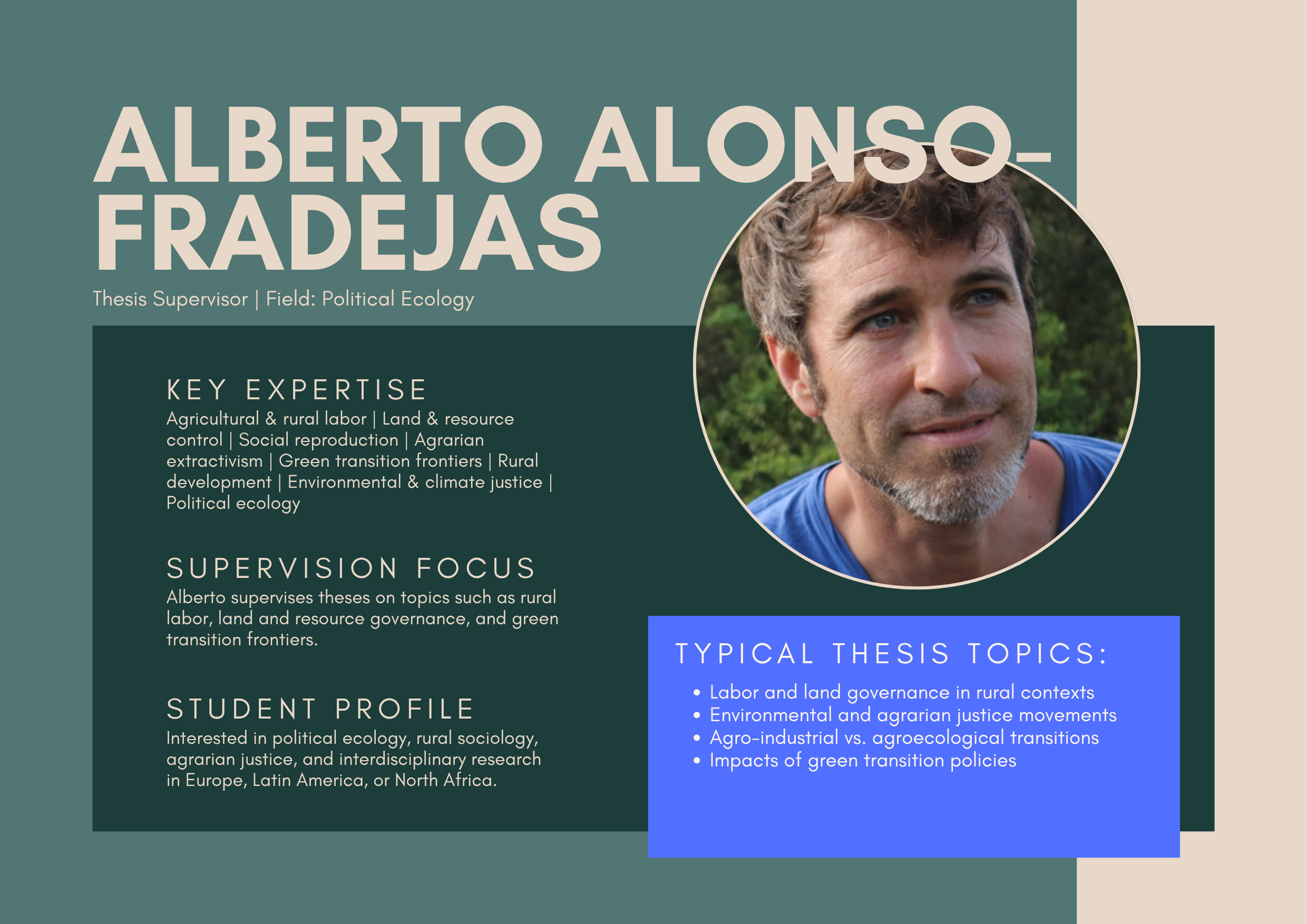
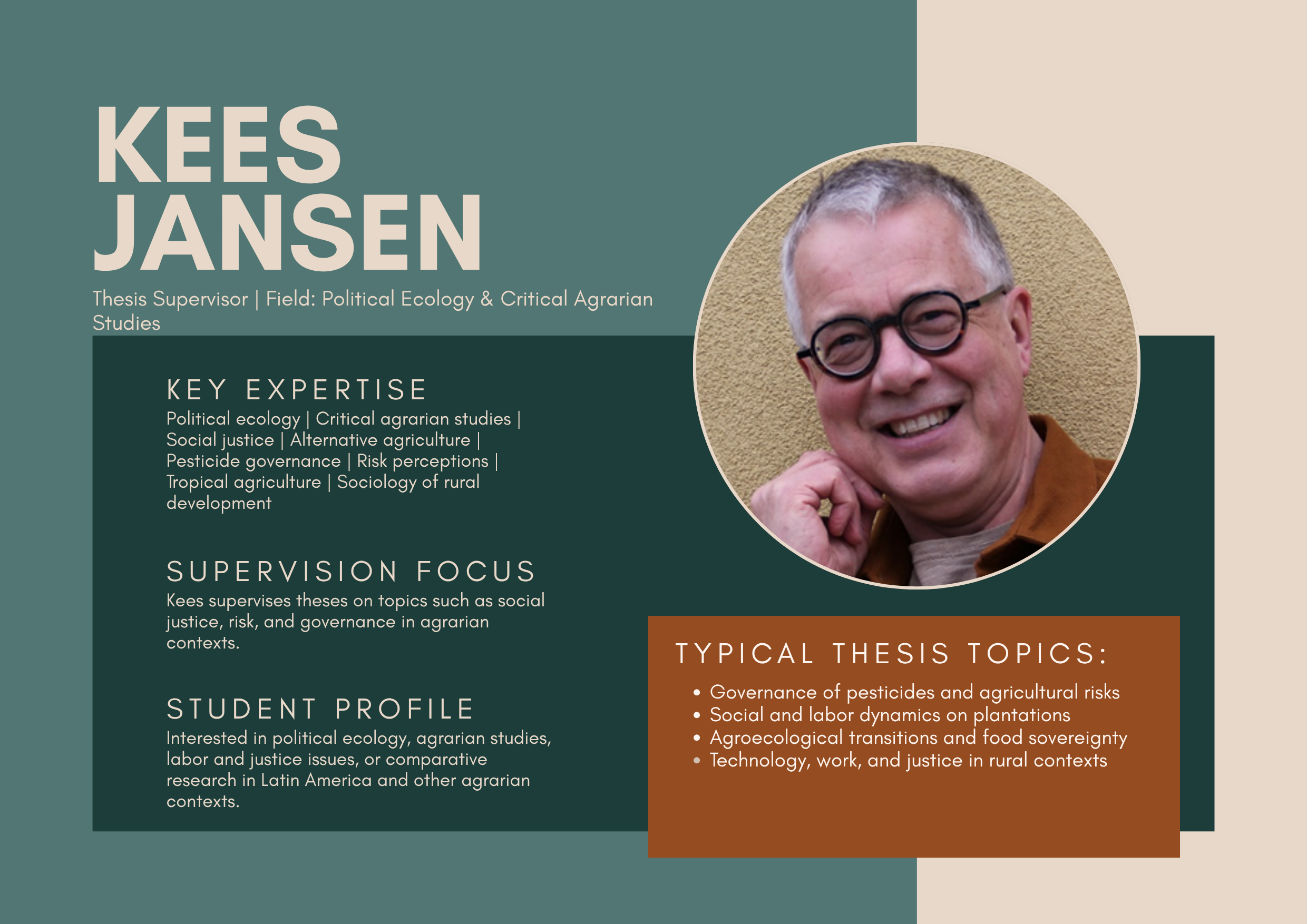
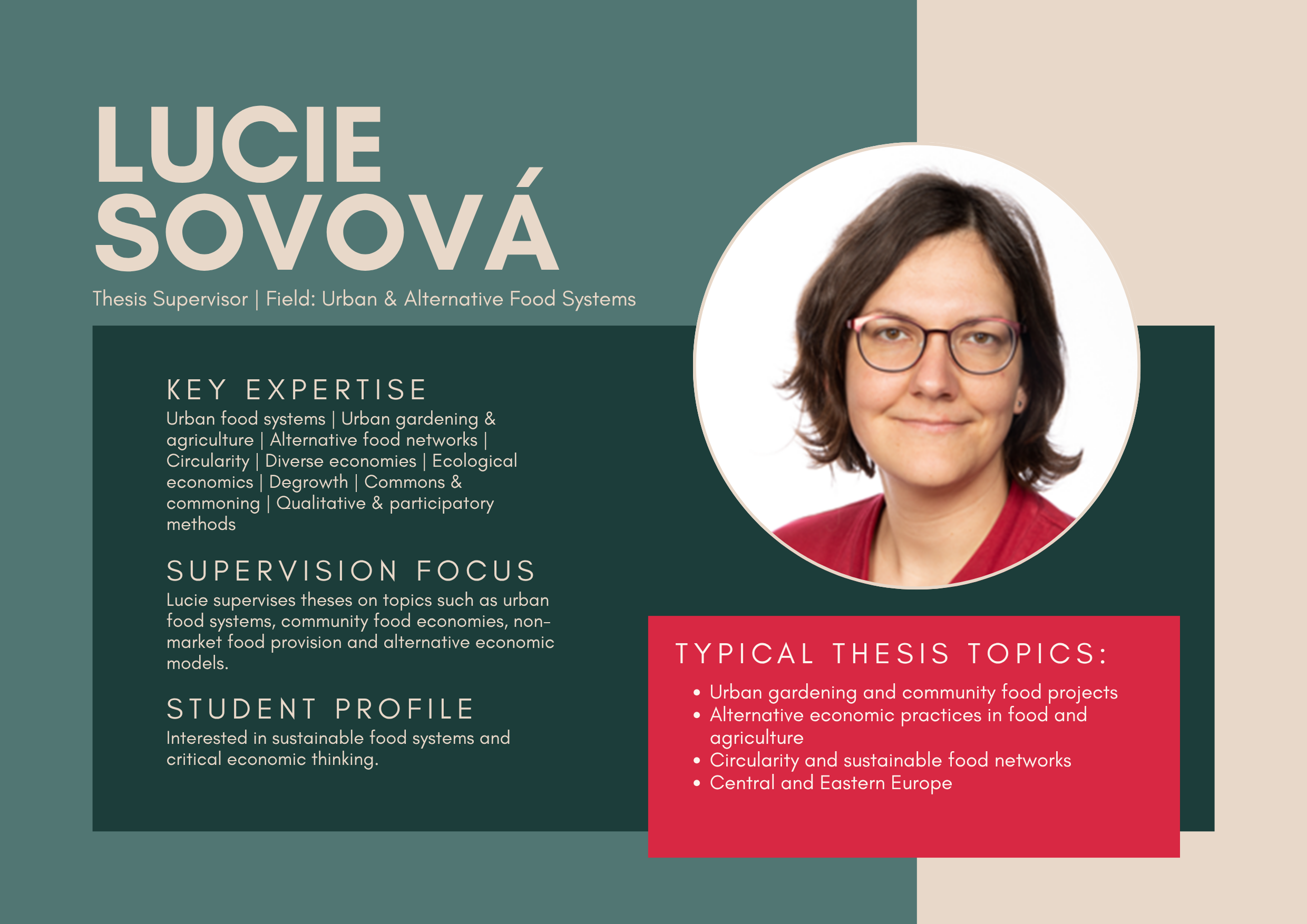
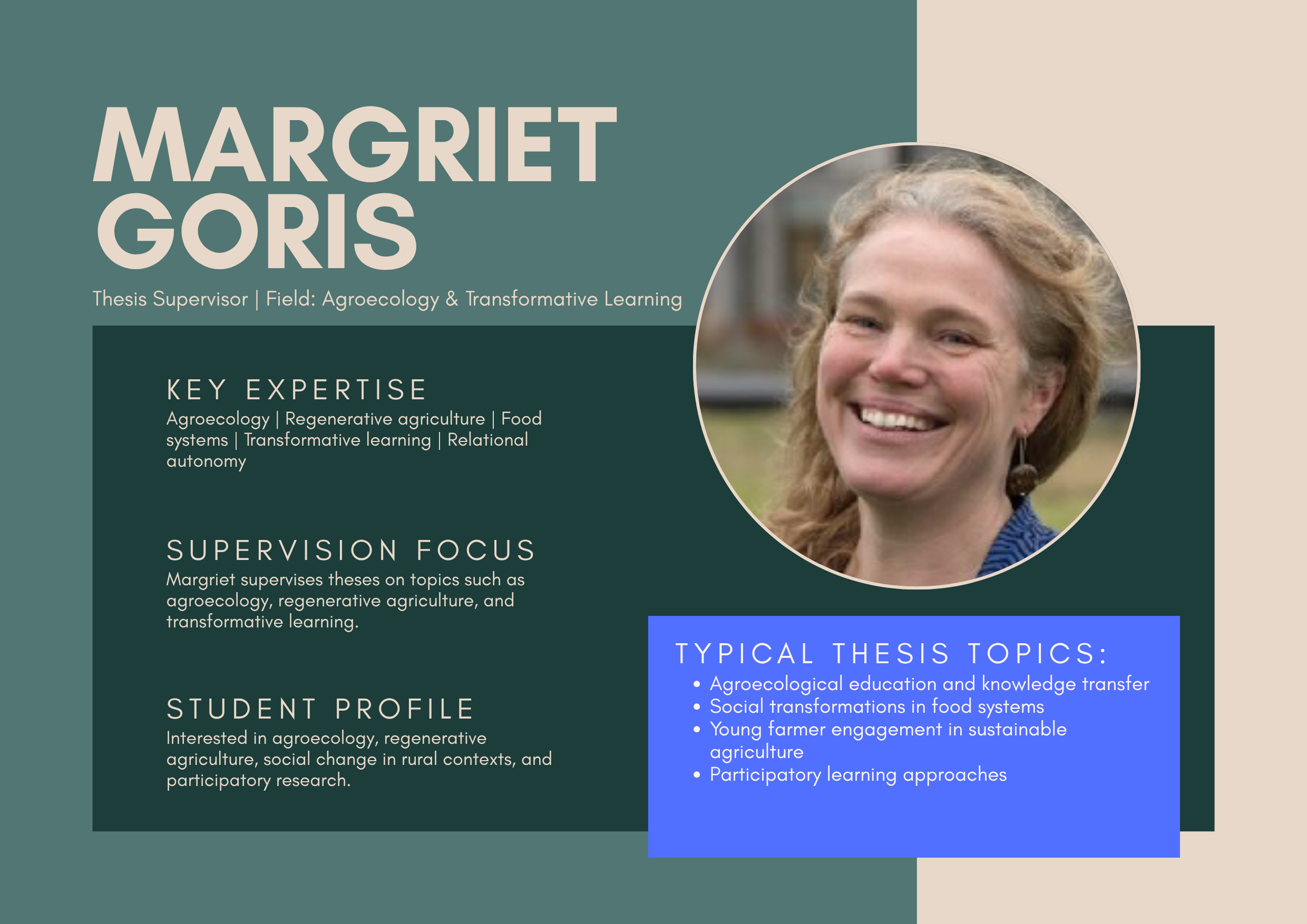
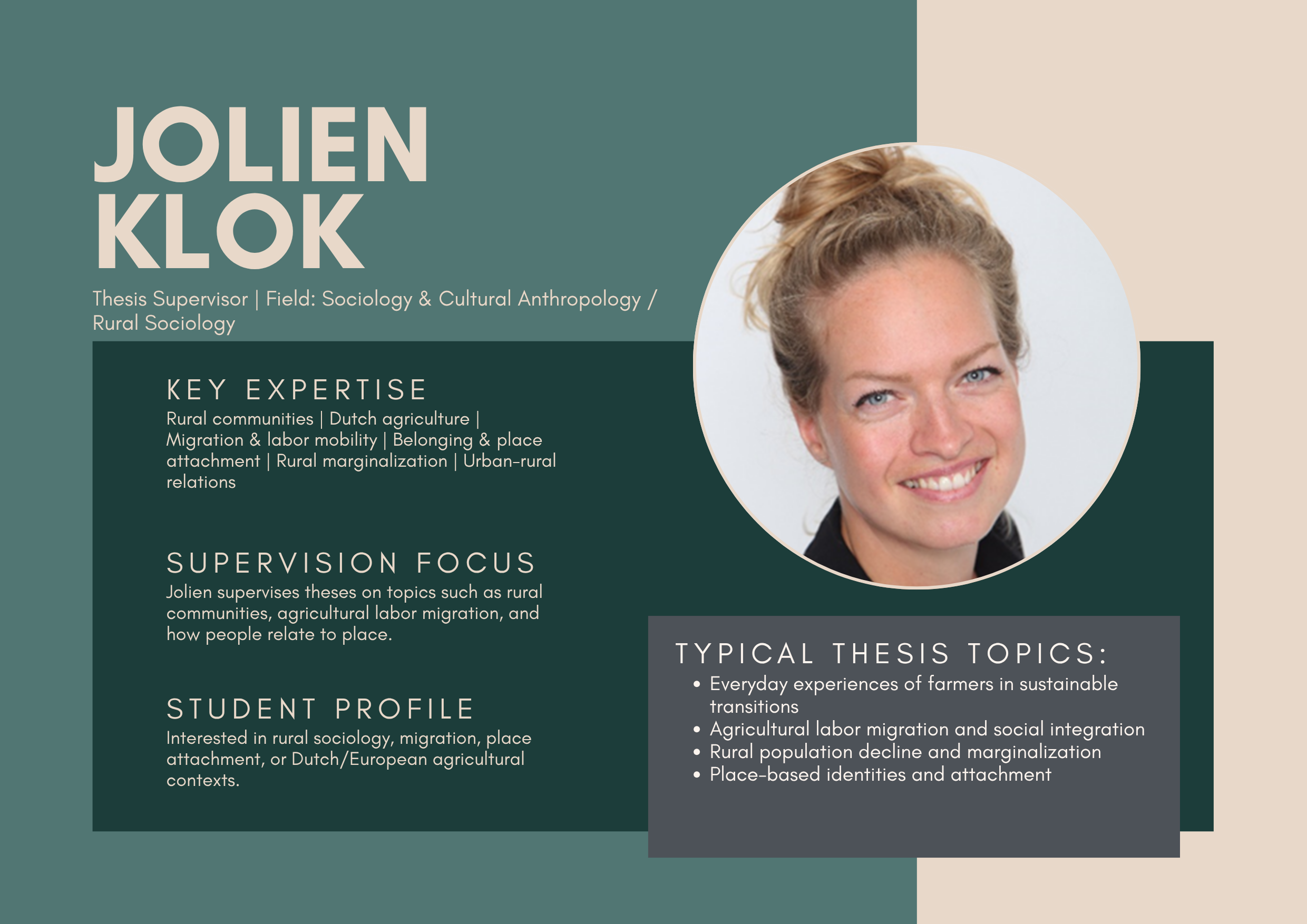
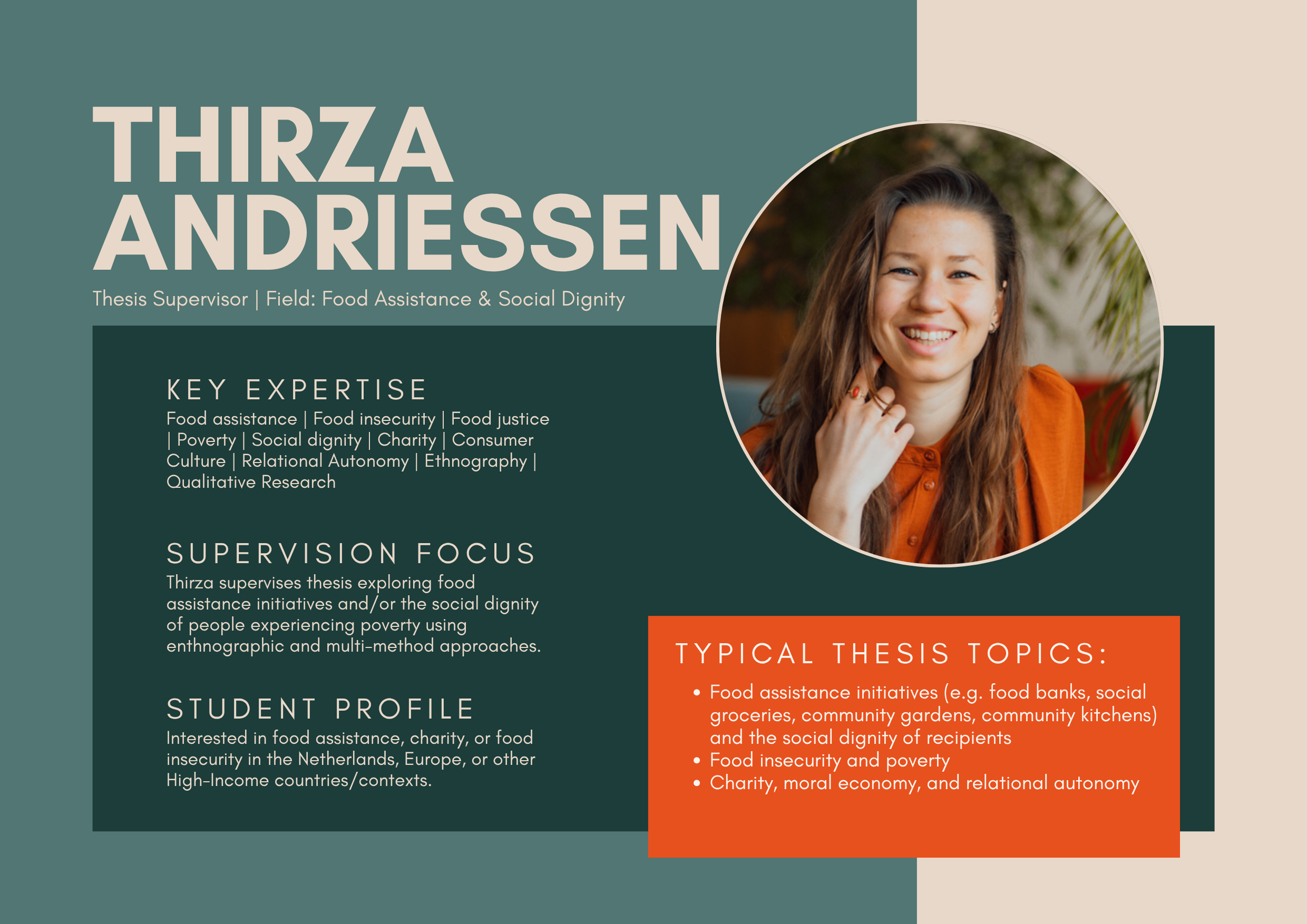
Continue readingExploring thesis opportunities within RSO: Meet our supervisors
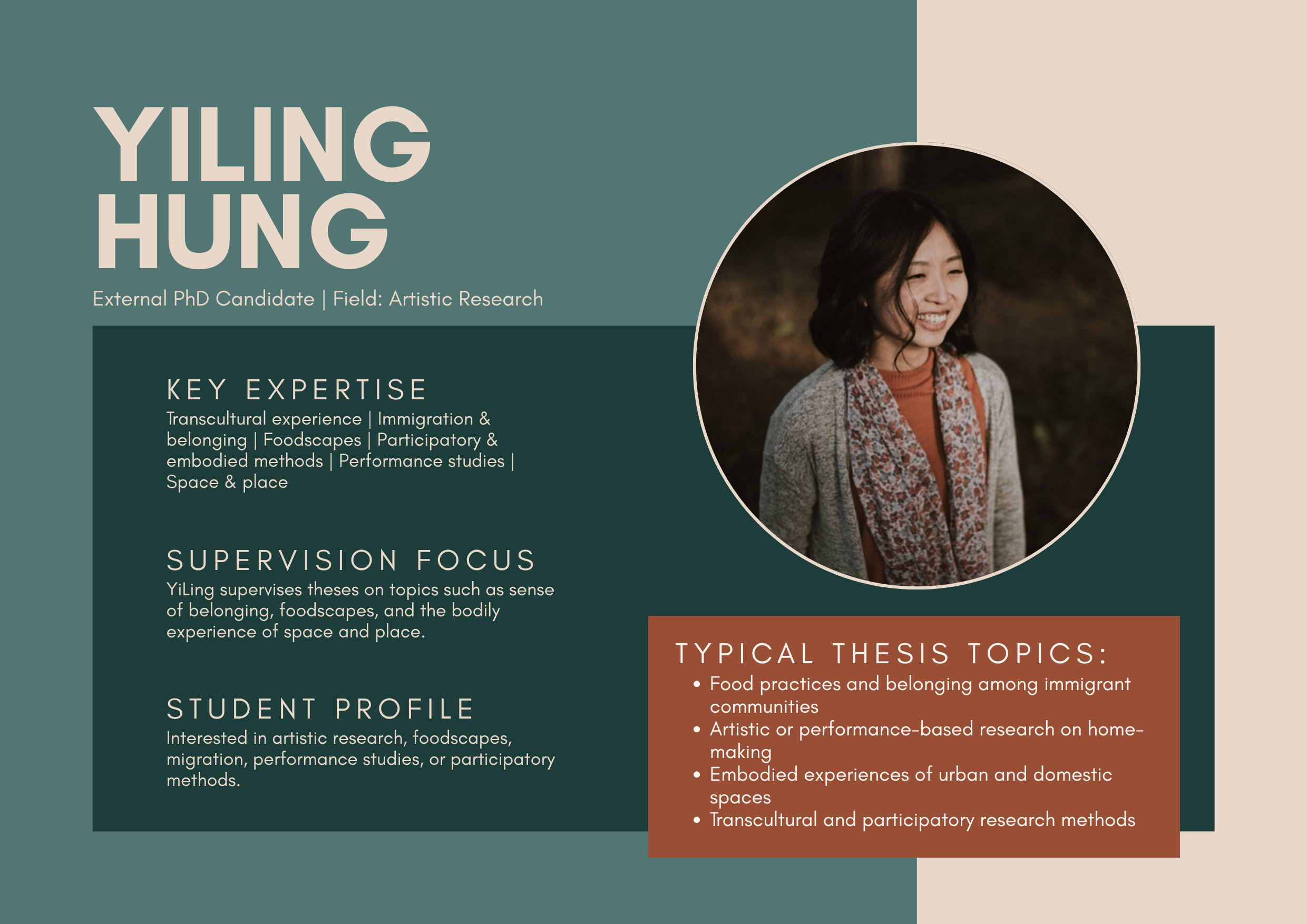
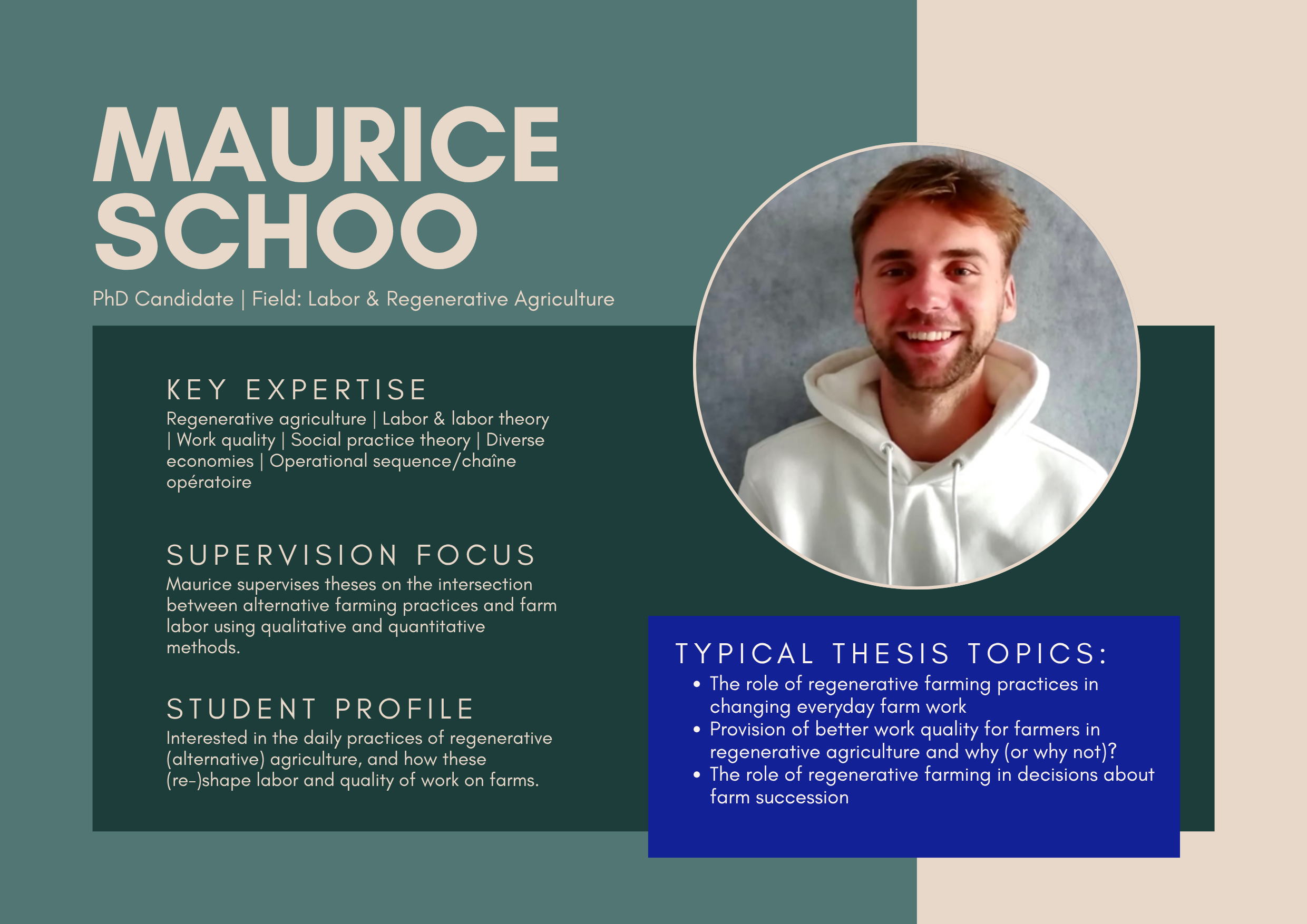
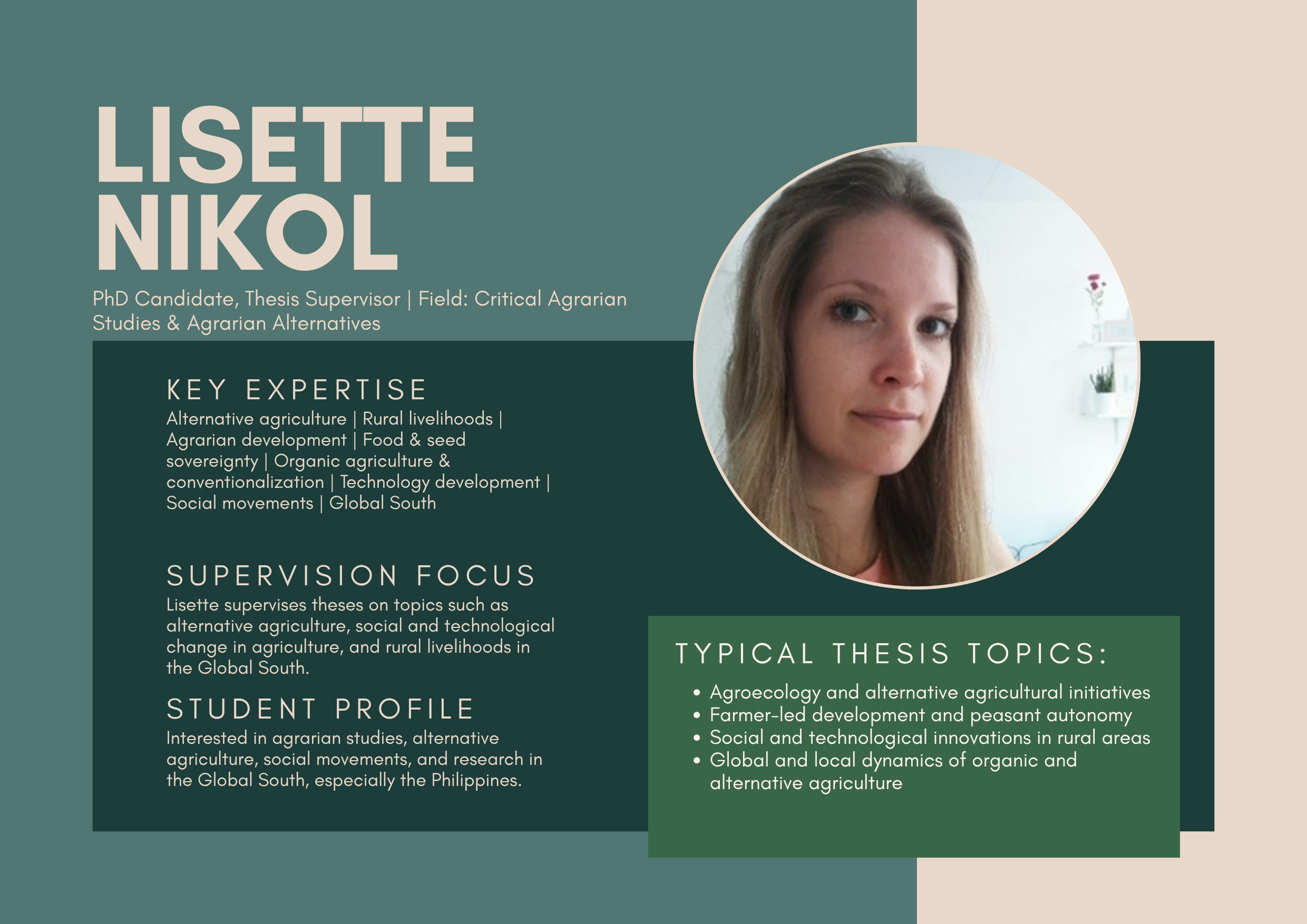
Are you a WUR student looking for a thesis topic that engages with urgent social, political, and environmental questions in food systems, rural transformations, and global change?
The Rural Sociology Group offers a wide range of research opportunities across three key themes: Agrarian Change, Food Provisioning, and Rural Development. Each theme brings together a diverse group of supervisors working on critical issues shaping contemporary rural and food system transformations.
Across these themes, students are invited to engage with research that does not only describe change, but also critically examines power relations, inequalities, and possibilities for more just and sustainable futures.
In Agrarian Change, researchers explore the interconnected social and environmental crises shaping agrarian life, agricultural practices, and rural livelihoods. This includes questions around land, labour, ecological transformation, and alternative pathways for agrarian communities. Students interested in political ecology, rural inequality, and agricultural transitions will find a strong intellectual home here.
The Food Provisioning theme focuses on how food is produced, distributed, and governed in both rural and urban contexts. It brings attention to alternative food economies, food justice, and the politics of food systems transformation. This is a space for students interested in food governance, sustainability transitions, and the everyday practices that shape how food systems function.
The Rural Development theme examines ongoing transformations in rural areas and emerging rural–urban relations. It pays particular attention to power dynamics, governance processes, and the lived realities of rural change. Students working on questions of inequality, policy, and rural futures will find rich opportunities for engagement here.
Within these themes, students can connect with supervisors whose work spans critical social science perspectives on food and rural systems. Supervisors bring expertise in areas such as agrarian political economy, food governance, rural transformation, and environmental change, and are open to supporting students in developing tailored thesis projects.
We encourage students to explore individual supervisor profiles and ongoing research projects to identify topics that align with their interests.
If you are considering a thesis within RSO, we welcome you to reach out and discuss possibilities. Engaging with our research community is an opportunity to shape your own academic path while contributing to urgent debates on food systems, rural change, and social justice.
For more information, students can consult the supervisor profiles below or via Brightspace (WUR-only access) or contact the education coordinator at thesis.rso@wur.nl