Origin Food – course on Origin Food Products

Over the coming education period, covering eight weeks from March 1 till April 23, our group will again provide the MSc course ‘Origin Food:  a Market for Identity’. The course is compulsory for students of the Specialization Gastronomy of the Master Food Technology, but is open to students for other educational programmes as well.
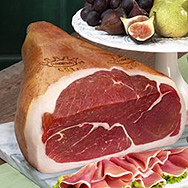
Prosciutto di Parma

Food products with a geographical indication are becoming more important worldwide, both in economic and cultural terms. In the course a distinction is made between officially acknowledged ‘regional typical products’  with a protected geographical indication (such as Parma ham, Boerenleidse kaas, Café de Colombia) and ‘local food’ sourced locally by e.g. restaurants, shops or online box schemes.

The course deals with a range of questions on OFPs organised around five weekly themes: 1) Originality factors; 2) Regulation and legislation; 3) Marketing and branding; 4) Sustainability impact; and 5) Consumers’ appreciation, regional gastronomy and food tourism.

The course consists of a combination of lectures, guest lectures by experts, a gastronomic excursion and group assignments to study the particularities of Origin Food Products.

Contactperson: Dirk.Roep@wur.nl

Gastronomie en eetindustrie

Deze periode wordt voor het eerst het vak Food Culture and Customs gegeven. Het vak is ontwikkeld voor studenten Food Technology en in het bijzonder voor studenten die binnen deze opleiding gekozen hebben voor de nieuwe specialisatie Gastronomy. De 24 studenten die het vak volgen, komen echter ook van andere studierichtingen zoals Nutrition and Health.

De Master Gastronomy gaat over de voedseltechnologische kant van koken wat tot uitdrukking komt in vakken als ‘Moleculair Gastronomy’; koken op basis van kennis van de chemische transformatie van ingrediënten. Chemisch koken dus, op basis van bijvoorbeeld de verschillende componenten waaruit wijn bestaat, met als doel om verrassend nieuwe of meer verfijnde smaken te creëren.Het vak Food Culture and Customs, bekijkt eten en eetcultuur niet vanuit een technologische maar vanuit een sociologische invalshoek. Het gaat in het vak dus niet om de produkten an sich maar om de betekenis van voedsel in ons dagelijks leven, de sociale, culturele en religieuze functies van ons eten, de ethische aspecten verbonden aan voedsel. Maar ook over voedsel in relatie tot levensstijl en sociale klasse; gastronomie heeft tenslotte ook alles te maken met sociale positie en prestige.

Foto: Bart de Gouw

Gastronomie, in het gastcollege van Onno Kleyn gedefinieerd als ‘food as art’ wordt vaak in contrast gezet met de industrialisatie en massaproduktie van voedsel. Er zijn echter ook bedrijven die proberen het één en het ander te combineren. Hoe? Dat was de vraag voor de studenten tijdens een excursie afgelopen dinsdag naar Marfo in Lelystad. Marfo produceert klant en klare bevroren maaltijden voor o.a. vliegtuigmaatschappijen, bejaardentehuizen en het leger. Marfo combineert de culinaire kennis en gastronomische expertise onder leiding van topchef Pascal Jalhay met hoogwaardige productietechnologie. De studenten bestudeerden de vertaling van gastronomie voor de verschillende ‘markten’, elk groepje een andere markt. Hoe vindt de vertaling plaats, wanneer is nog sprake van gastronomie, voor welke markten lukt dit het beste? Zij presenteren hun resultaten morgen tijdens de les aan Harold Oldenbeuving, adjunct directeur Operations.