75th Anniversary: 21) Geographies of power and rebellious social sciences

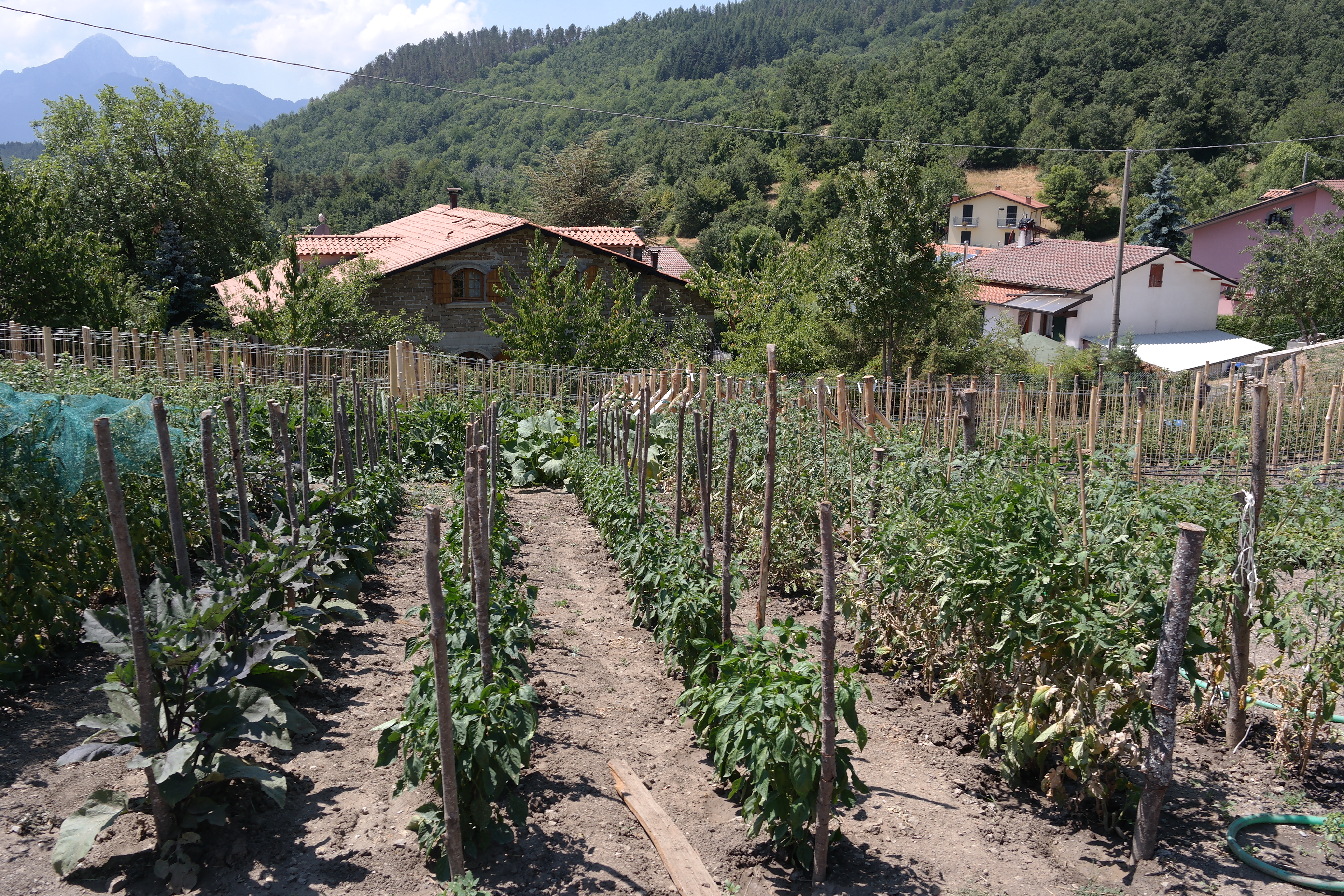
Garfagnana, Italy – picture by Jordan Treakle

by Jordan Treakle

My path to WUR’s Rural Sociology Group (RSO) differed from most of my fellow Masters students when I first arrived to Wageningen in August 2015. As a second-year student in the International Masters in Rural Development (IMRD) programme[1], I had spent the first year of my programme nomadically exploring the academic halls of the University of Ghent (Belgium), Humboldt University (Germany), and the University of Pisa (Italy) with my 27 fellow IMRDers. This unique and fast paced academic tour of Europe gave me a range of academic lens on agricultural economies and cooperative development in food systems that were enriching and informative. But these perspectives generally had not touched on the complex geographies of power and agency that I found most compelling. Luckily WUR’s small but worldly campus, with all of its contentious influences of corporate agribusiness research and rebellious social science scholarship, offered a critical forum to both intellectually digest the lessons of the other academic institutions I had visited during the first year of my programme, as well as dive into rural sociological concepts that reconfigured my relationship to place and later guided young career in farmer advocacy and agricultural policy. Continue reading

75th Anniversary: 20) Boerengroep

Boerenprotest tegen melkprijs- ongedateerd, archief Boerengroep

Het is al weer 50 jaar geleden dat de Boerengroep[1] werd opgericht in een roerige tijd van grootschalige boerenprotesten. Een Europese demonstratie van boeren in Brussel op 23 maart 1971 liep uit op een confrontatie met de politie. Er gingen tientallen auto’s in vlammen opgingen en één boer vond de dood (klik op deze link voor een nieuwsverslag over deze betoging uit 1971)[2]. De demonstratie maakte duidelijk dat er onder boeren en boerinnen grote ontevredenheid was over het gevoerde Europese landbouwbeleid. Continue reading

Boerengroep 50 years: kick off. Farmers’ Protests with emeritus prof. Jan Douwe van der Ploeg

It has been 50 years since De Boerengroep (The Peasant Foundation) was founded in a turbulent time of large-scale farmer protests. A European farmers’ demonstration on March 23, 1971 rocked Brussels. Against this background of protests, the Boerengroep was established. Celebrating 50 years, De Boerengroep will organize a series of events. Monday,  February 15 they will kick off with a seminar about farmer protests then and now.

You can still register through this link: https://forms.gle/DhYqsbTMR3RQr2Ta7

February 15, 19.30-21.00: Speakers

Jan Douwe van der Ploeg, one of the founders of the Boerengroep, and emeritus professor in Rural Sociology, he devoted a large part of his career to research on the “New Peasantries”. Currently, he is Adjunct Professor at COHD at CAU in Beijing, a member of the Board of Agroecology Europe and of the Advisory Board of the Northern Frisian Woodlands Territorial Cooperative.

Tim van der Mark, board member NAJK Pigs, poultry and calf husbandry.

Roel During, researcher at the Biodiversity and Policy team within Environmental research in WUR, expert on cultural history and resistance.


75th Anniversary: 19) The Boerinnengroep Wageningen: looking back

In the 1977, we, a group of women students and graduates, mostly in Rural Sociology, founded the so-called ‘Boerinnengroep’, which translates as ‘farm women’s group’[1]. The Boerinnengroep has contributed to new agendas of farmer and rural women’s organisations, agricultural policy and academia. It has also put, in a way, a strong imprint on our lives and careers. In this blog we look back. Continue reading

75th Anniversary: 18) On Eros, Rural Encounters and Local Responses: Rural Sociology’s 25th and 50th anniversary

Since Wageningen rural sociology celebrates its 75th anniversary, this implies we had two previous anniversaries: the 25th and the 50th. At both occasions, anniversary books were published.

Images and Realities of Rural Life (click on the title to get access to the book) was published at the occasion of 50 years Wageningen rural sociology. Edited by Henk de Haan and Norman Long, the anniversary book offers “a sample of recent work by sociology staff members and sketches out possible future trajectories” (Haan and Long 1997: vii). The book does not look back, as claims to reputation should be built on achievements, and not on the past, the editors state. “Ancestral rituals have their function in strengthening the sense of identity among current staff members and students, and may also serve as an historical claim on the present and future existence of a robust sociology in Wageningen”, yet the identity and standing of sociology in Wageningen, the editors contend, should be constructed on current “research profile, thinking and academic performance” (ibid.). Continue reading