Sus Bom; digging up the border

The mobile ‘farm’ is built as self contained solar artist-in-residence (see earlier blog) with an upstairs sea container as a living unit and a downstairs working shed, now in use as pig barn. Looking at Coevorden’s industry on the horizon, I spent a stormy night literally located on the border between the Netherlands and Germany. Border markers run through the middle of the field. The pigs freely walk to Germany and back, with no worries about different rules and regulations. 

Their snouts are not ringed – something which still is allowed in Germany. This means they can do what they most like; digging up the soil. Their border walkway looks like a freshly ploughed field with an occasional mud pool where they dug a particularly deep hole. They spend most of the day re-doing their previous digging, if not sleeping, taking a mud bath, eating grass and being fed. 
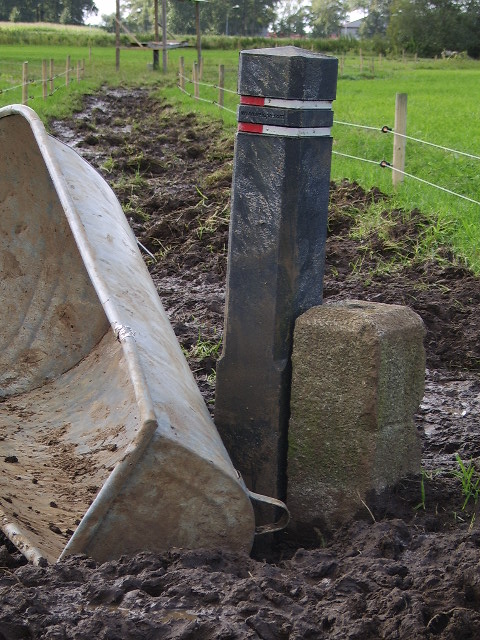
border marker

Pigs have bad vision but have extremely good ears. Bom keeps an ear on me when they all go for an afternoon nap. Piled on top of each other they lightly sleep. If one moves it takes a while with small talk oink’s before they sleep again. I try to be silent but a click of the camera is enough for Bom’s ear to raise. It stays alertly horizontal and a subsequent oink wakes up all for a new digging round.

Sus domestica Alie; Bunte Bentheimers

I am living with Alie, Rinus, Anna and Bom today. I am assistant-farmer for 24 hours. This means I have the responsibility for the care and well-being of four ‘Bunte Bentheimer’ pigs. This breed is known to be very social but also a bit slower in growth and with a bit fattier meat. Such meat is not in fashion at the moment. The breed almost disappeared. 

Alie, Rinus, Anna and Bom are part of the art project “The year of the pig” of Elles Kiers and Sjef Meijman which connects visual and culinary art with animal husbandry (see also tomorrow’s Volkskrant). The industrial production of meat – and food in general – is more and more seen problematic. Pig production takes place behind closed doors and hygienic corridors. The confined and artificial circumstances alters their natural behaviour. Today’s livestock industry is a complex story with many different points of view. To make rearing pigs visible, such as is done here, is a guarantee for debate. 

Alie

 Nearby farmers came to visit. Afraid of contamination they were extremely careful. And angry. For the difference in what they have to comply with and take into account in contrast to the simple way in which the pigs are held here. Vegetarians have been angry too. For the fact that these pigs are reared to be eaten. Rinus – the gentle red-haired male – is most likely the first candidate being the larger of the two men.

How art and rural life meet

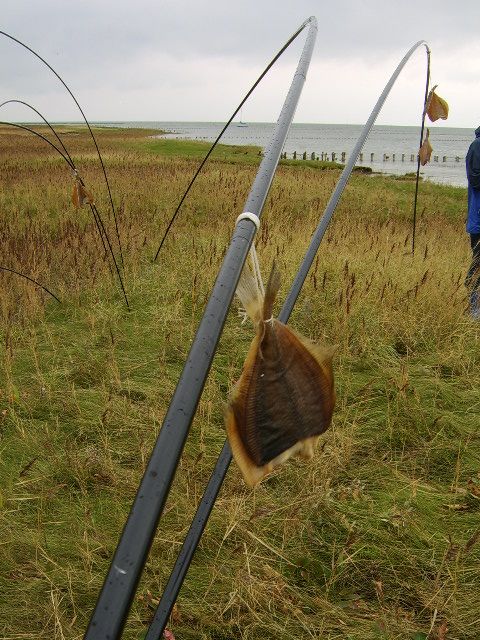
Drying fish in Sarah's work

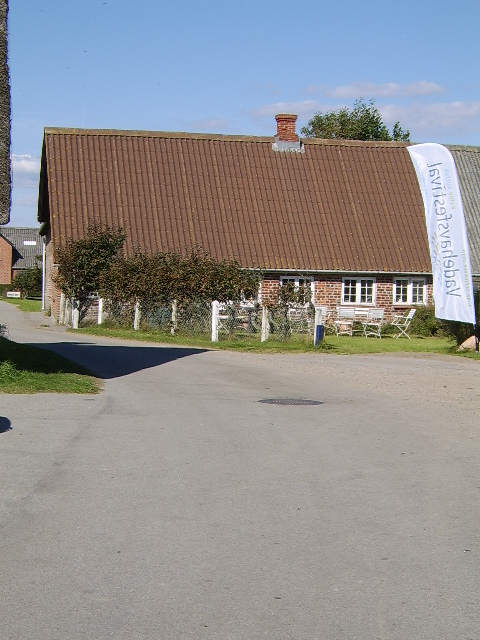
At best sceptical were most of the islanders of Mandø about the Any Questions? art project on their island. Not many were fond of modern art. Their highlight of the year is the Mandøfest which brings back many related to Mandø in july for a celebration of tradition and island culture in big family gatherings. The Vadehavsfestival is different and the ‘elite’ art is distant this culture. However, the aim of the festival was to instill inhabitants of the wadden region with new wonder about their own environment.

How to prevent that the project on Mandø would completely bypass the community because of separated mental worlds? Inspired by theories on action research – in particular appreciative inquiry – and on social interaction (see Collins 2004. still the best explanation) we formulated a social process to embed ourselves in the place. In three steps (oct/june/sept) we worked at building a positive chain of interaction with the islanders which accumulated – also to my surprise – in openness to and interaction with the artists and the art works.

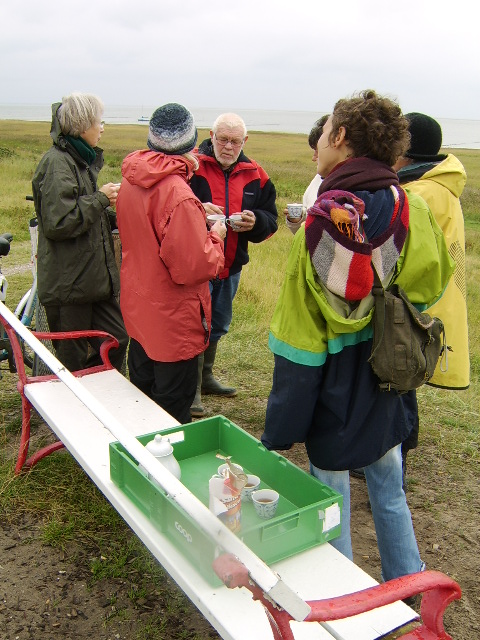
Tea and cookies

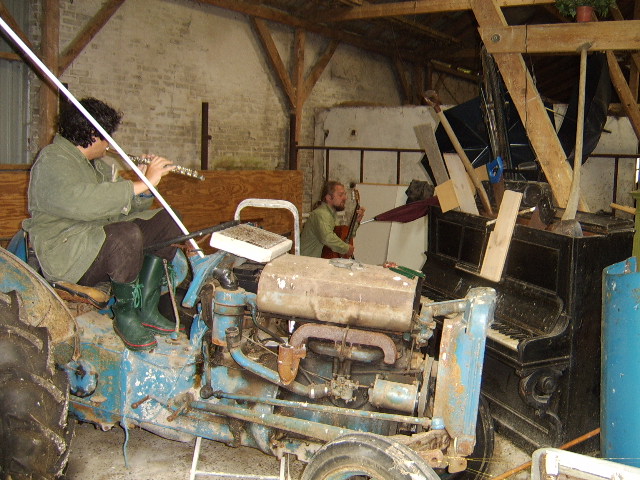
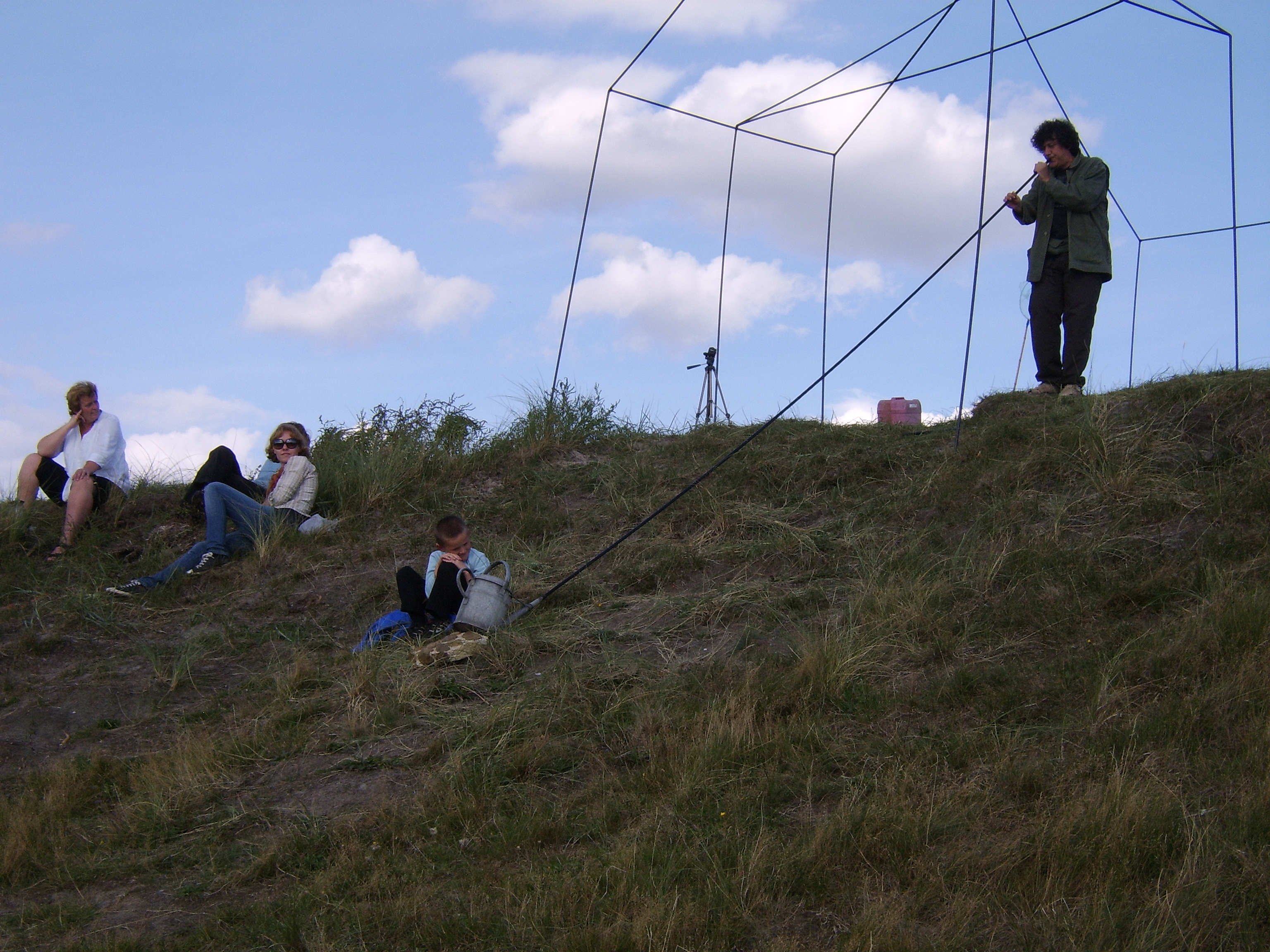
The shopkeeper commented how moved she was by the threedimensional house drawing on top of the dune and that it was this moment rather than big audiences which was – maybe-  important too. An unannounced barn concert attracted islanders who normally do not go anywhere we were told. People passed by our café with a bottle of wine or wiskey or came to have ‘tea and cookies’ in and near the house of Sarah and holding up her window. Our bonfire in the withdrawing sea at the landart site of Liesbeth attracted ‘a record of people’ according to the man who fanatically helped building it with lots of diesel (however many stayed at the dunes because the way through the grass was too dark unfortunately).

Peter With's Café

We became part of this community for a week, using the closed café, sleeping in people’s summerhouses, struggling with internet as they do, enjoying the wadden nature and the endless horizon. The embedding of the project and the dialogue in which it resulted inspired us too, as can be read on the waddenart weblog. Thanks, people of Mandø for opening up to us.

concert with barn materials

Modern art in a rural setting. The art week on Mando, DK

Dario makes music with tent poles of Sarah inside her threedimensional drawing

The sunny weather, a great mix of people, the lovely atmospheric cafe and the beautiful wadden nature have contributed to a kick start of the Any Questions art project on the Danish wadden island Mando. We officially started yesterday with a reception with the inhabitants and for the week to follow there will be daily performances, concerts and ongoing art works made by the individual artists as well as in collaboration with each other. Two writers will observe and reflect on how modern art is meeting people on this island, see previous blog

You can follow us at www.waddenart.wordpress.com

The waddenart group blog will be daily updated by the organisers, the artists and the writers with stories and pictures about the art works, the island and the people.

Afstudeerscriptie Alternative Food Geography Amersfoort

Waar komt ons voedsel eigenlijk vandaan? Steeds meer consumenten stellen die vraag en gaan op zoek naar alternatieven wanneer zij niet tevreden zijn met de gangbare antwoorden. Steeds meer steden zijn ook bezig met dit vraagstuk. Het besef dringt door dat veel autokilometers te maken hebben met supermarkt bezoek, dat ons eetpatroon te maken heeft met hoe we ons verhouden tot voedsel, dat eten en koken het wijkwerk ondersteunt, dat stadslandbouw meer dan één publieke functie kan vervullen. Vaak ontbreekt veel kennis over hoe de stad zich tot haar dagelijkse maaltijd verhoudt. Zo ook in Amersfoort. Een succesvolle brainstormbijeenkomst op 17 juni jl (zie eerder blog) door enkele initiatiefnemers (o.a. Transition Town Amersfoort) heeft het stadsbestuur geinteresseerd. Wellicht is de eerste stap gezet naar een Amersfoortse voedselstrategie. Een voedselstrategie

“richt zich op het totale complexe voedselsysteem dat dagelijks voorziet in de behoeften van een regio. Dit voedselsysteem omvat primaire productie, transport, verwerking, opslag en distributie, verkoop en marketing, restverwerking en dienstverlening en maakt deel uit van wereldwijde netwerken.” Cleo van Rijk, Startdocument CoP voedselstrategie voor gemeenten 2010.

DE VRAAG:

De initiatiefnemers in Amersfoort zijn in het kader van de ontwikkeling van een Amersfoortse Voedselstrategie op zoek naar afstudeerstudenten die alle uitingen van alternatieve vormen binnen alle facetten van dit complexe voedselsysteem in kaart willen brengen. Dus ontwikkelt zich in Amersfoort een alternatief voedsel netwerk? En zo ja, wie zijn de spelers, wat zijn de hoeveelheden, waar vindt het plaats en wat zijn de kenmerken?

Historisch Amersfoort

Ben je geinteresseerd? Neem dan contact op met Edgar van Groningen voor meer informatie. Email: edgarvangroningen@gmail.com