By Leonardo Ayabe van den Berg, MSc graduate International Development Studies
Recently I completed my MSc-thesis. The thesis research is set in the municipality of Araponga in Brazil, where (re)peasantisation occurred and continues to occur. Here I describe some of the findings of my research. When interested you can downlaod a pdf of my thesis ‘Invisible peasant movements: A case study of (re)peasantisation in Brazil‘.
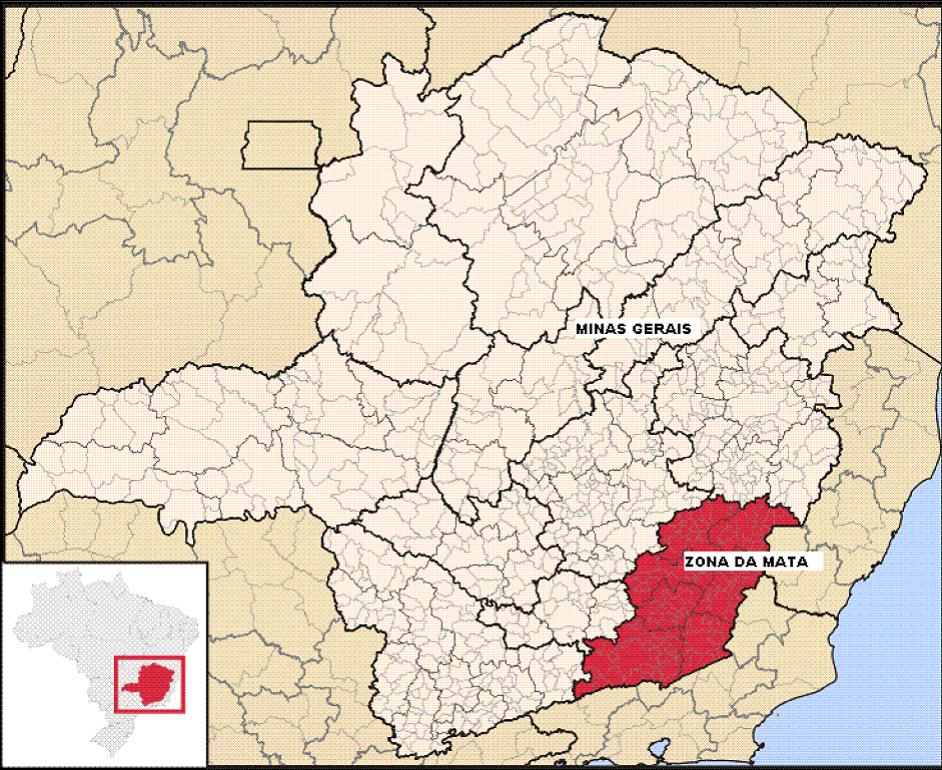
Araponga
When I started to read about the peasantry there were two major things that occurred to me as striking. First, in policy peasants are often considered as a group of laggards: who are unable to take care of themselves and therefore need social assistance; who rely on primitive forms of technology and therefore must be modernized; or who are impeded by a stagnant, traditional mentality and must therefore be converted into small entrepreneurs. The peasant mode of farming is seldomly considered in its own right. Second, in academic theory peasants are predicted to disappear, weaken or live a life of poverty as a result of their inferior mode of production and their helplessness. Departing from the assumption that actors are driven by a specific economic-rational logic, neo-liberal approaches roughly theorise that peasants commoditize, compete with other farms as a result of which there will be regional growth. Tradition or culture can block economic rationality and the transition from peasant to entrepreneur. The peasant will then be doomed to poverty. In contrast to the neo-liberal approach, neo-Marxist approaches, most of which also assume that the peasant is driven by an economic logic and commoditize, theorise that commoditization will either lead to the destruction of the peasant enterprise or to a fate of poverty. This is the result of price fluctuations, squeeze in agriculture (caused by the trend of decreasing produce prices and increasing input prices for farmers), or newly emerging food networks (through which income from weaker, peasant, parts of the chain are squeezed in favour of the more powerful, retailers, part of the chain). These predictions and preconceptions contradict with what happened in Araponga, a rural municipality in the state of Minas Gerais in Brazil where there was a rise in the number of peasants and an increase in welfare. The objective of this thesis was to find out how this was possible: how had (re)peasantisation occurred in Araponga. Continue reading