
 By Merel Scheltema – Msc. Urban Environmental Management, specialisation in Spatial planning, WUR.
I propose that an investment in quality public space, through urban agriculture and multi-functional land use, can improve the access of people to basic needs. According to the UN habitat executive Director of Joan Clos i Matheu public spaces are therefore a vital asset. The quality of public spaces affects the quality of private spaces and the city as a whole. A ‘good’ public space is part of the solution to create ‘healthy’ cities, by revitalizing the environment, economic development and fostering social capital. The concept of ‘sustainable place-shaping’, answers this call for healthy public spaces. It is a holistic approach to strengthen collective agency, participation and leadership of people who engage in places.
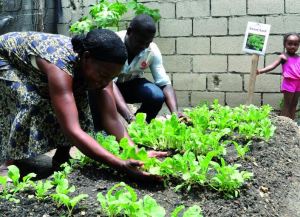
In my essay for the RSO course ‘A global sense of Place’, I applied the SUSPLACE framework, developed by the Rural Sociology Group to investigate: how urban agriculture as an investment in public space contributes positively to sustainable place-shaping. I studied this by examining urban sack farming in the Kibera slum of Nairobi, the largest Slum in Africa. I reason that urban gardening offers basic needs as well as improves social capital, environmental quality and economic opportunities. Continue reading
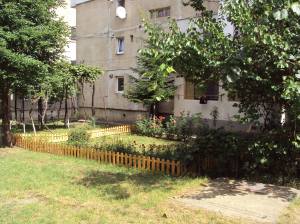 This MSc thesis by Anamaria Alupoaie (MSc Organic Agriculture) investigated the reasons for failure of urban gardens, and the impacts of gardens on resident’s ‘sense of place’, in Dorohoi city in Romania.

 Rural Sociology Wageningen University