The ‘Suit’ of Urban Agriculture

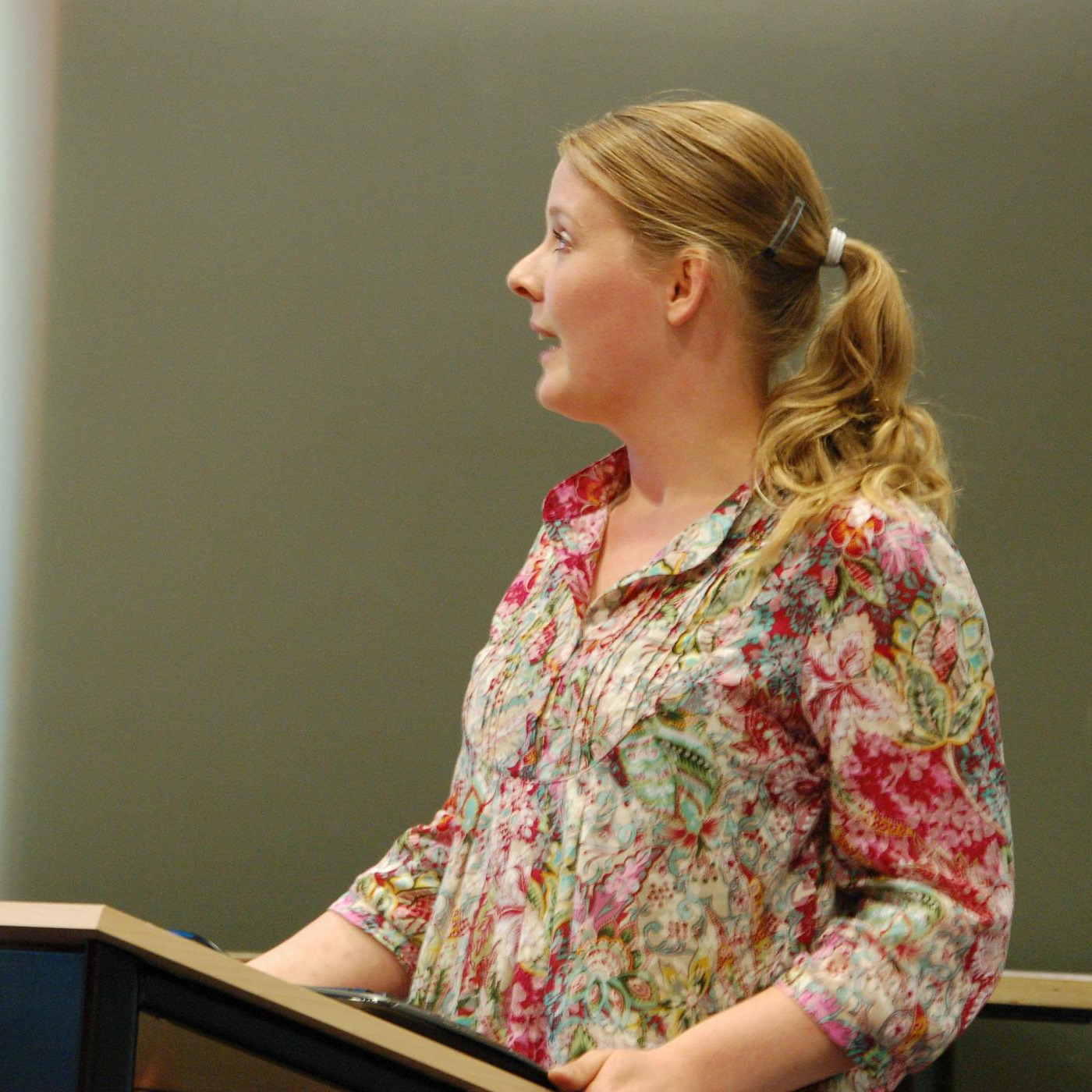
Marlinde Koopmans of Van Hall Larenstein presented her thesis results yesterday in a workshop at Stroom, The Hague. Her thesis will be online available in September. For now she presents her main results in the below article.

By VHL student Regional Development Marlinde Koopmans (marlinde.koopmans@gmail.com):
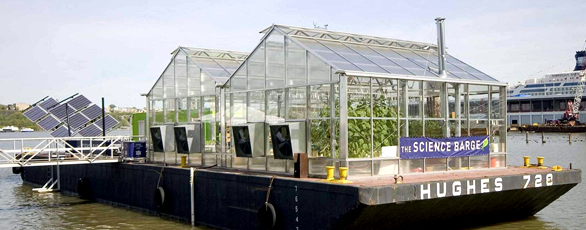
groundworkhv.org/programs/environmental-education/science-barge/faqs/

Lately urban agriculture has gained interests of scholars, policy makers and citizens. Urban agriculture forms a unique integration with the urban system. It uses resources from the city and produces for the city. For the Foodprint program, Stroom has investigated the potentials of urban agriculture for the city of The Hague.In terms of flows of energy and food is a city one giant glutton, consuming tons of high valuable material coming from the countryside and only leaving tons of waste in return. The Hague therefore has, like other cities, to increase its environmental sustainability, for example the reduction and reuse of waste, the improvement of the urban climate.

It requires a systematic change of the metabolic system of the city. Various, often costly, measures are undertaken in order to change this unsustainable metabolic system of the city. Yet these are all very specific solutions to specific problems for example: the assigning of ecological protected areas to certain regions in The Hague and municipality buildings being covered with solar panels to supply energy.Since agriculture can form an ecological circular system, urban agriculture will be able to combine a multitude of environmental facets.

The research investigated the potentials of urban agriculture to contribute to the sustainability of The Hague.Organizations active in The Hague were asked about the possibilities to integrate urban agriculture in the city; how and where could this happen, and how can the respondents participate? Continue reading

Food initiatives in Amersfoort


eemlook website

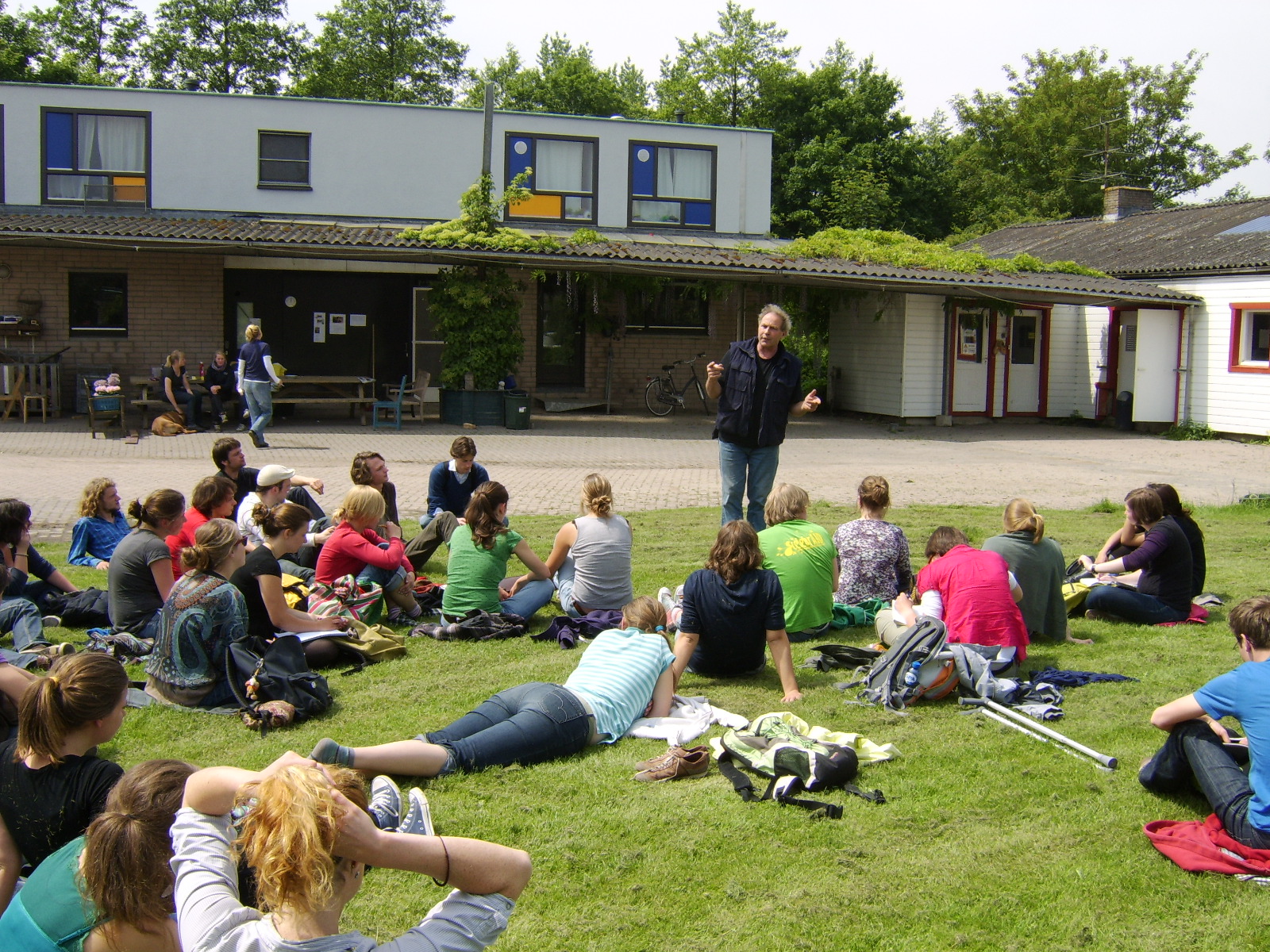
 “Eating is an agrarian act” said Bart Pijnenburg at a meeting last Thursday in Amersfoort. So we ate together with 50 people a meal based on regional products and lots of garlic from the farm Eemlook. The meeting was organized by Transition Town Amersfoort, the Eemlook and two consultancies Mensenland and Eemstad Lab.

“We” were all those interested in progressing new thinking about regional and urban food production and consumption. The Amersfoort food strategy; this was the topic. There is no such a thing yet, and the meeting was meant to inspire each other and the city government to undertake action.

There were lots of ideas; after a few brainstorm sessions at least 25 ideas were presented – in an elevator pitch situation. From community gardens to Meatless Monday, and mobile cooking units to dine in a field, the variety of ideas surprised many people. Maybe some of these ideas can be submitted to the “Sustainable Food” call of the Ministry of Agriculture it was concluded. Well then, be prepared for heavy competition.

At the launch of this grant-funding on the 9th of June at least a hundred people were present to explore their opportunities for submitting a project. This high interest is starkly contrasting the amount of funding available; half a million euro with individual project limits up to 75.000 euros. This funding is – according to the explanation that day – an experiment which may or may not be repeated. The piecemeal funding is underlying one of the three policy goals; to enable Dutch consumers to choose for sustainable food products. A bit meager I thought given the huge ambition to become ‘world leader in sustainable food production in 15 years’.

Through a Food Lens…

By Simone Plantinga – MSc student

For the Dutch version of this text follow this link

A year ago, I started with the research for my MSc Thesis in Rural Sociology. The research was carried out in Tilburg, a city in the Province of Noord-Brabant, in the south part of the Netherlands. After a couple of explorative meetings within the chair group of Rural Sociology of Wageningen University, with the Brabantse Milieufederatie (Environmental Federation Brabant) and the Provincie Noord-Brabant (Province of Nood-Brabant) this research has been defined. The research is about the preconditions, possibilities and restrictions for the set up of a Food Policy Council, a particular form of food policy. A FPC is a broad social network or platform which consists of multiple actors which have an interest in well developed food system. A successful example is the Toronto Food Policy, which formed in 1991 in Canada. In this blog I’ll explain the (conceptual) background of the research, as well as the key results and conclusions.   Continue reading

Als door een voedselbril…

Door Simone Plantinga – MSc student

For the English version follow this link.

Mijn afstudeeronderzoek naar Food Policy Councils, is gestart naar aanleiding van een aantal verkennende gesprekken binnen de vakgroep Rurale Sociologie van Wageningen Universiteit, met de Brabantse Milieufederatie in Tilburg en de Provincie Noord-Brabant en gaat over de randvoorwaarden, mogelijkheden en de beperkingen van het opzetten van een ‘Food Policy Council’(FPC), een bijzondere vorm van voedselbeleid. Een FPC is een breed maatschappelijk netwerk of platform waarin verschillende personen plaatsnemen die belang hebben bij een goed ontwikkeld voedselsysteem. Een succesvol voorbeeld is de in 1991 opgerichte Toronto Food Policy Council in Canada. In deze blog beschrijf ik de (conceptuele) achtergrond van het onderzoek en de belangrijkste resultaten en conclusies (klik hier voor de volledige thesis). Continue reading

The Black Gold

Last week, students of the course ‘Agrarische en rurale ontwikkeling, sociologische perspectieven’  had two days of excursions and could choose from 4 different excursions to see different models of multifunctionality and institutional arrangements in farming (see Birgit’s blog about a different excursion). With our group, we visited the Stadsboerderij Almere and the nearby Zonnehoeve in Zeewolde. Both farms have different other activities related to farming, such as school education, cattle in nature reserves, home sales of products, relations with care institutes.

Both are also organic farms, or better; bio-dynamic farms, which goes a step further in closing the nutrient cycle than organic farming. The nutrient cycle turned out to be the key to understanding the multifunctionality of these farms. At the very core of it all was what Tineke called ‘the black gold’; good quality manure, the essential ingredient for a healthy and productive farm without dependence on external input.

To illustrate her point, she took a handful of manure from last year and encouraged students to smell it. Hesitantly a few did. To their surprise it did not smell bad. The mixture of straw, urine and feces of the beef cattle was far into the composting process. It smelled more like soil than like shit….

At the Zonnehoeve they heard again about the importance of building soil. Piet told many unusual stories which illustrated that building soil is quite literally building a resilient farm. He showed his long list of activities in which he diversified which dazzled the students (amongst others, a bakery, permanent housing for caretakers, facilities for therapy with horses, internet shop). But starting with his dairy herd, he emphasised the importance of  Tineke’s ‘black gold’ too.

The centrality of the herd in the farming philosophy of both the Stadsboerderij and the Zonnehoeve, illustrates very well the theoretical framework which the students had learned in class (see Ploeg et al 2003). Grounding the farm in this vital resource  for a healthy nutrient cycle, both farmers deepened their farm strategy by shortening the supply chain whilst delivering high quality organic produce and from that solid base they broadened their farm with new additional functions. Tineke explained this by showing her ‘black gold’, which had brought good economic revenue of their core activity; producing food (e.g. onion, pies, carrots) which made it possible to invest in an entire new facility consisting of a farm-house and barn for a further expansion into care farming.