Do you want to know what the EU Common Agriculture Policy is about? Have a look at the website 50 year of CAP, available in all EU languages.

Do you want to know what the EU Common Agriculture Policy is about? Have a look at the website 50 year of CAP, available in all EU languages.
This is a 16-min video about the developments in farming in Long Island. Having great soils and an agriculture history, the setting lends itself for farming activities. However, land prices are a clear barrier for newcomers. The video also talks about new farmers trying to make it in the agricultural world from making a living, facing their romanticized preconceptions of life as a farmer, to breaking stereotypes of who can be a farmer.
 The use of the wasteland, ‘Nobelveldje’, in Wageningen in 2012 is an example of a public collective platform being established for the temporary use of a nearby vacant lot. Continue reading
 This research will focus on a broad comparison of national and international examples of temporary use of wasteland. What can we learn from examples in New York, London or Berlin by comparing organizing systems, communication strategies, cooperation’s or coalitions that could be of use for new initiatives of temporary use? Continue reading
Monday March 11, 2013 the course Origing Food: a market for identity will start again.
The main aim of the course is to provide for a broad and scientific understanding of the growing importance of food products with an indication of origin within the globalising agro-food system. The course is obligatory in the specialisation Gastronomy of the Master Food Technology. No specific prerequisite knowledge is asked. The course is open to students from other Masters. The different educational backgrounds is stimulating for multidisciplinary and interdisciplinary study of OPFs in groups. Language of instruction and examination is English.
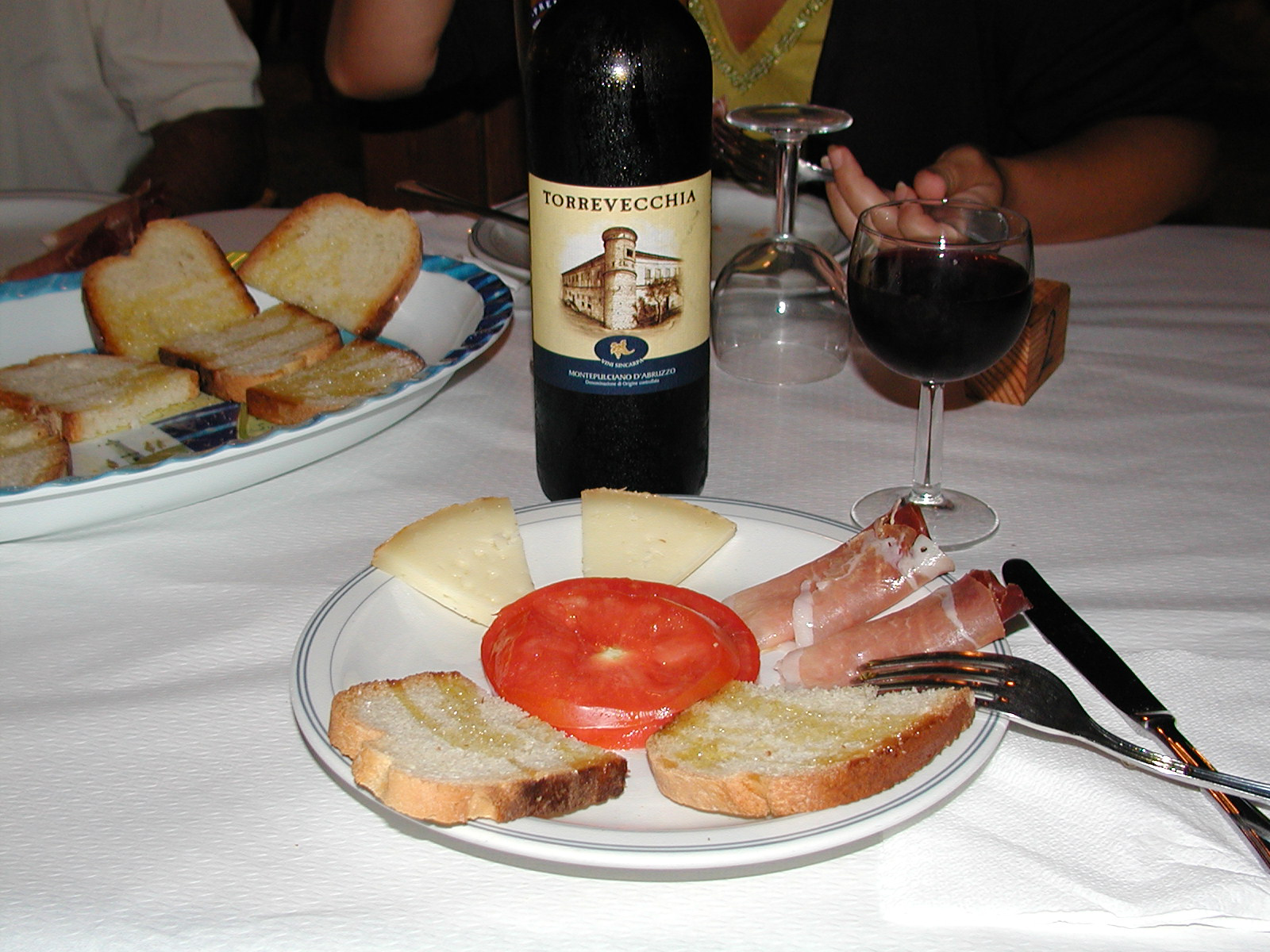
Montepulciano d’Abruzzo
Food products with a geographical indication are becoming more important worldwide, both in economic and cultural terms. In the course a distinction is made between Origing Food Products with a protected geographical indication (PDO, PGI or TSG) based on EU-regulations such as Parma ham, Boerenleidse kaas, Café de Colombia and not officially acknowledged Origin Food Products locally sourced by e.g. restaurants, shops or online box schemes.
The course deals with a range of questions on OFPs organised in five themes: 1) Linking people, place and product: the construction of distinctiveness; 2) Regulation and legislation; 3) Marketing and branding; 4) Sustainability impact; 5) Consumers’ appreciation, regional gastronomy and food tourism.
The course consists of a combination of lectures, group assignments to study some Origin Food Products more in detail and a gastronomic excursion, often seen the higlight of the course.
Students interested in the course can ask for the Course outline for this year. Contactperson: Dirk.Roep@wur.nl

