
The course ‘Sociology of Food Provisioning and Place-based Development’ starts on Monday 17 March 2014. This course is primarily designed for the Rural Sociology track in the specialisation ‘Sociology of Development’ of the Master International Development Studies. It is, however, open for all students interested in the sociology of food and place, provided they have a basic sociological understanding (at BSc-3 level) of transformation processes in food provisioning, rural and regional development and urban-rural linkages. For more information about the course have a look at the course description in the online study handbook or at the Leaflet Sociology of Food Provisioning and Place-based Development.
Tag Archives: Education
Origin Food: a market for identity – course starts March 17, 2014
 Monday March 17 we will again start the course Origin Food: a market for identity (RSO-21806). The course part of the specialization Gastronomy of the Master Food Technology, but the course is optional for all students with an interest in food with a Geographical Indication and like to study and discuss the relation between food quality, place or origin and particular practices.
See the post of last year for a course description or contact Dirk Roep (dirk.roep@wur.nl) for more information.
Going global and remaining local: challenges of Poland in implementing climate change policies
RUW Foundation and the Rural Sociology Group organized a studytrip to Poland. In a 10 day intensive program different cities and rural areas in Poland were visited, interesting people and organizations met and farm work is done. The theme of the trip is “Glocalise”. Students are asked to prepare themselves well on different themes in groups before leaving and to write a concluding reflexive paper on their impressions and findings, and to write a blog. This is first is posted by:
Caroline Lumosi, MSc-student Forest and Nature Conservation.
The first day saw us spend time learning about nature conservation in Poland. We focussed on climate change policies and agriculture. Poland faces challenges in implementing regional EU climate change policies in relation to implementing its national regulations on energy and economic development. Poland relies on the use of coal to support 90% its electricity. As the EU moves to cut down on its carbon emission, this in turn means focus is put on use of renewable energy sources. For Poland, and in particular the city of Warsaw, this presents a huge challenge as the city heavily relies on the use of coal for electricity, in transport and in household heating. Continue reading
Grassroots Science: Do the NL have an agro-ecology movement?
Stichting Otherwise organizes another Grassroots Science event. The new course The Farm Experience Internship (FEI) will be presented and the significance it can have for formal education and the agroecology network in the Netherlands. See http://www.st-otherwise.org/thu-4-july-grassroots-science-agroecology-in-the-netherlands/ for more info or the site of the Boerengroep for more info on the FEI course.

Origin Food: a market for identity – course starts March 11, 2013
Monday March 11, 2013 the course Origing Food: a market for identity will start again.
The main aim of the course is to provide for a broad and scientific understanding of the growing importance of food products with an indication of origin within the globalising agro-food system. The course is obligatory in the specialisation Gastronomy of the Master Food Technology. No specific prerequisite knowledge is asked. The course is open to students from other Masters. The different educational backgrounds is stimulating for multidisciplinary and interdisciplinary study of OPFs in groups. Language of instruction and examination is English.
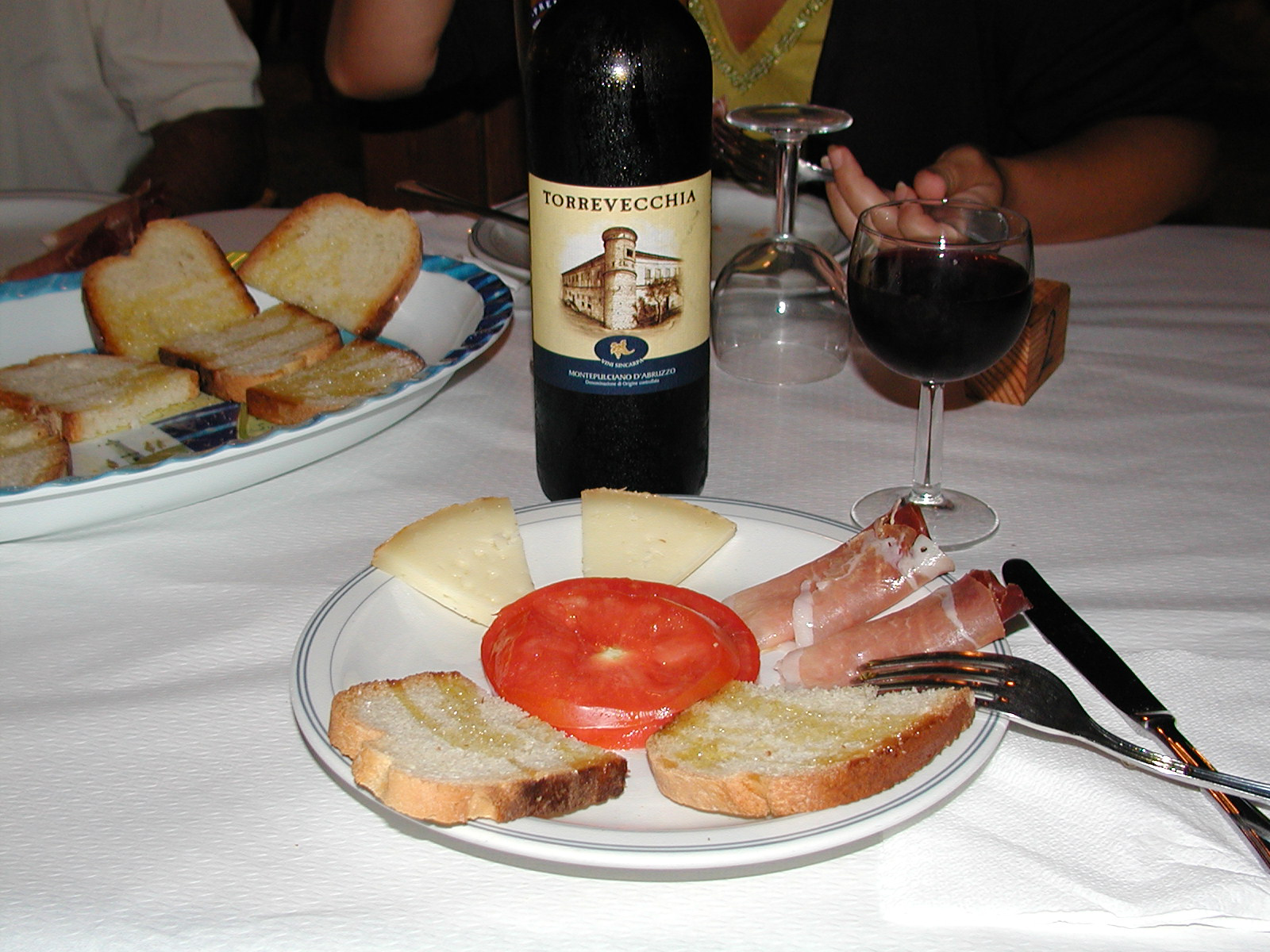
Montepulciano d’Abruzzo
Food products with a geographical indication are becoming more important worldwide, both in economic and cultural terms. In the course a distinction is made between Origing Food Products with a protected geographical indication (PDO, PGI or TSG) based on EU-regulations such as Parma ham, Boerenleidse kaas, Café de Colombia and not officially acknowledged Origin Food Products locally sourced by e.g. restaurants, shops or online box schemes.
The course deals with a range of questions on OFPs organised in five themes: 1) Linking people, place and product: the construction of distinctiveness; 2) Regulation and legislation; 3) Marketing and branding; 4) Sustainability impact; 5) Consumers’ appreciation, regional gastronomy and food tourism.
The course consists of a combination of lectures, group assignments to study some Origin Food Products more in detail and a gastronomic excursion, often seen the higlight of the course.
Students interested in the course can ask for the Course outline for this year. Contactperson: Dirk.Roep@wur.nl
 Rural Sociology Wageningen University