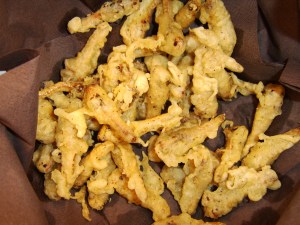
 As the world population is growing and increasingly urbanising – the UN (2009) predicts 69% of the population to be living in cities by 2050 – the question of how to feed the world is becoming critical. Meat consumption is more and more the focal point in debates about worldwide environmental degradation, food security in developing countries and health costs in developed countries. Momentum is building around the topic of insects as alternative protein source in the Western world and in the Netherlands more in particular (see the recent article in the NY Times).
Lots of research in bio- and food technology is currently taking place on insect protein, yet, it is unclear if and how consumers will accept the various possible foods from insects. At the moment, insects are not regarded food and responses of disgust are common in the Netherlands. Disgust responses may indicate a food taboo and a deeper culturally bound rejection which may form a barrier for the acceptance of radical innovations.
The Research
This Master thesis opportunity will focus on the cultural level that informs or interferes with the acceptance of insects as food. The thesis research possibility is part of a larger interdisciplinary collaboration between the chairgroups of Rural Sociology, Management Studies and the Agricultural Economics and Rural Policy group on food culture, institutional adaptation and consumer acceptance of insect food.
The student will work within the interdisciplinary team and take part in the development of a theoretical framework. From the hypothesis formulated the student will develop a survey in order to gather empirical data on people’s willingness or rejection regarding insect food. Fieldwork will be done in various cities in the Netherlands depending time and resources.
There is space for more than one student, and for each student to do its own independent research. More information; petra.derkzen@wur.nl

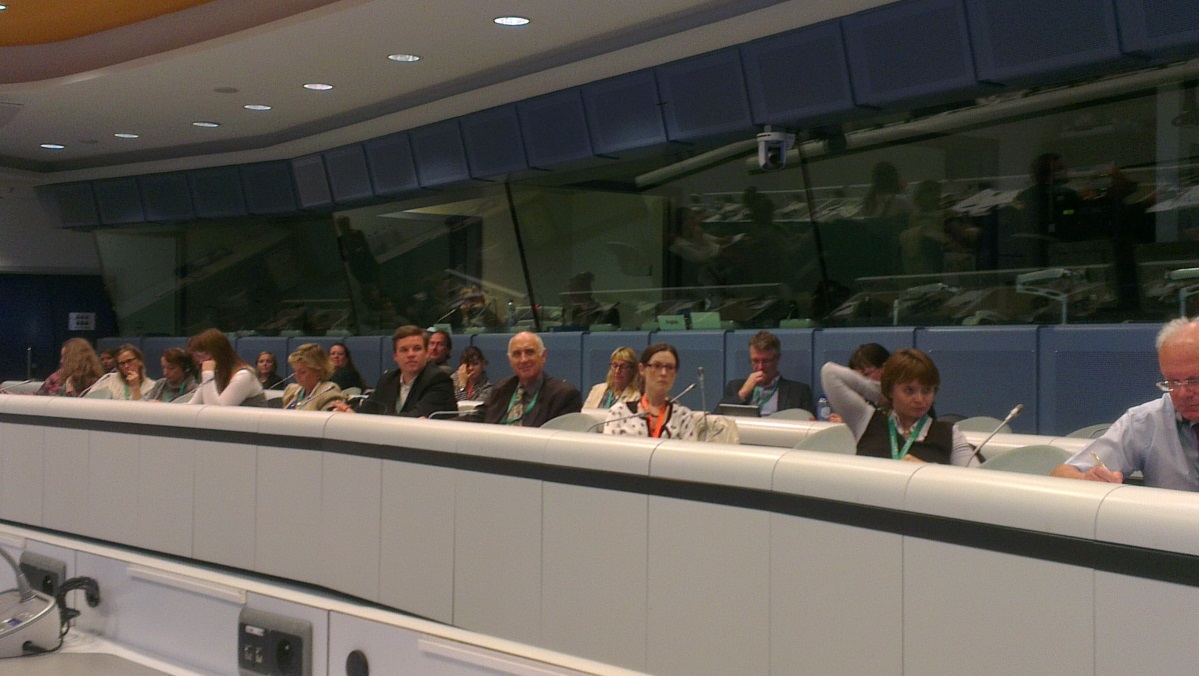 The Regional Studies Association (RSA) and the European Commission (DG Regio) organized 4 Master Classes, including a session for more than 100 participants on Oct. 9th 2013, on the topic of ‘Leadership and Regions: Unlocking the Development Potential of communities’, chaired by Prof. Dr. Andrew Beer. Besides Prof. Beer, Dr. Terry Clower (Texas), Dr. Henrik Halkier and myself were the speakers. This report is based on the their presentations and the discussion with the audience.
 Er zijn tal van sites waar boerderijwinkels zichzelf presenteren en waar verkooppunten van boeren en tuinders verzameld staan. Maar geeft dit inderdaad een accuraat beeld? Is alle huisverkoop van boeren en tuinders echt in beeld? En wat is het volume dat door directe verkoop wordt afgezet? Is dit volume gelijk aan afzet in de regio? Welke kanalen zijn te onderscheiden? Logistieke problemen?
 The PeerGroup is looking for a student who relates to the creative energy of the artist community of PeerGroup while bringing along collaborative skills, agro-ecology knowledge and an open mind for co-creation and learning. The student will be selected on the basis of an intake on the site. The student develops a plan and makes it happen with the support of the PeerGroup. The student can live on-site during the internship.
 Rural Sociology Wageningen University