Thesis: the vegetable network

100_5864By Esther Veen, PhD student of Rural Sociology

Urban Agriculture is a trendy concept for a lot of recently set up neighbourhood gardens in cities. The goal is to connect people and food again is often said. I researched four neighbourhood gardens, looking specifically at the social and dietary effects for the people involved. While the new gardens are part of a trend, some gardens have a long history of a traditional allotment complex. Especially THOSE gardeners who not necessariy identify themselves as part of an urban agriculture movement, generally harvest large amounts of produce, that they cannot all consume themselves. Many of them therefore share their harvests with friends, families and colleagues. Continue reading

Origin Food: a market for identity – course starts March 11, 2013

Monday March 11, 2013 the course Origing Food: a market for identity will start again.

The main aim of the course is to provide for a broad and scientific understanding of the growing importance of food products with an indication of origin within the globalising agro-food system. The course is obligatory in the specialisation Gastronomy of the Master Food Technology. No specific prerequisite knowledge is asked. The course is open to students from other Masters. The different educational backgrounds is stimulating for multidisciplinary and interdisciplinary study of OPFs in groups. Language of instruction and examination is English.

Montepulciano d'Abruzzo

Montepulciano d’Abruzzo

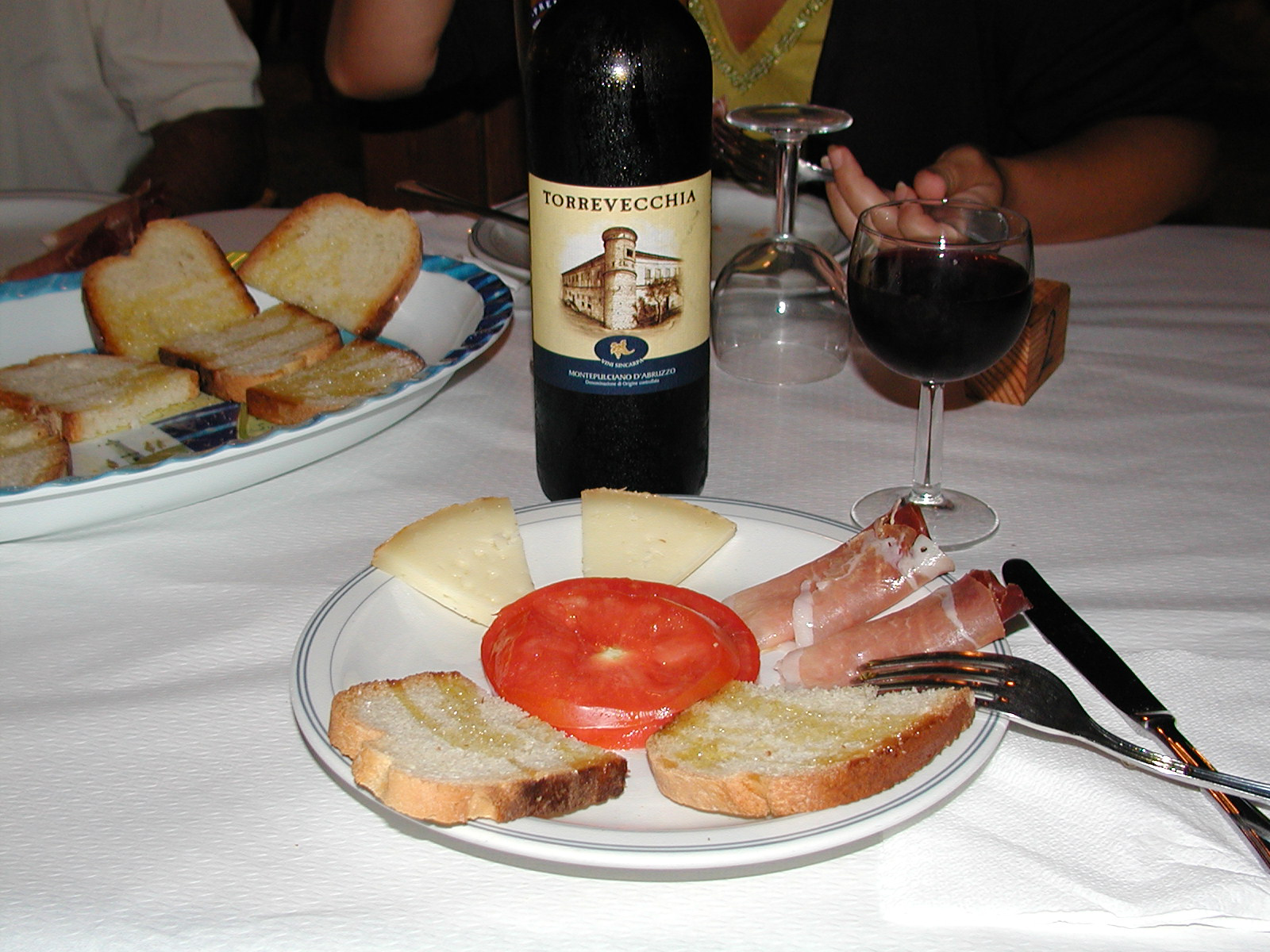
Food products with a geographical indication are becoming more important worldwide, both in economic and cultural terms. In the course a distinction is made between Origing Food Products with a protected geographical indication (PDO, PGI or TSG) based on EU-regulations such as Parma ham, Boerenleidse kaas, Café de Colombia and not officially acknowledged Origin Food Products locally sourced by e.g. restaurants, shops or online box schemes.

The course deals with a range of questions on OFPs organised in five themes: 1) Linking people, place and product: the construction of distinctiveness; 2) Regulation and legislation; 3) Marketing and branding; 4) Sustainability impact; 5) Consumers’ appreciation, regional gastronomy and food tourism.

The course consists of a combination of lectures, group assignments to study some Origin Food Products more in detail and a gastronomic excursion, often seen the higlight of the course.

Students interested in the course can ask for the Course outline for this year. Contactperson: Dirk.Roep@wur.nl

New course: Sociology of Food Provisioning and Place-based Development

The MSc course “Understanding Rural Development: Theories, Practices and Methodologies” (course code RSO-31806) has been revised and renamed into “Sociology of Food Provisioning and Place-based Development”. The course is mandatory for Master students within the track Sociology of Rural Development of the Master International Development Studies, specializing in rural sociology and a free choice course for Master students of other programmes and tracks. If you are interested in topics such as alternative food geographies, food citizenship, food democracy, urban food provisioning, sustainable place shaping, and regional branding, it may be worth participating in this course. Students who do not have a BSc degree in International Development Studies or related field of expertise may not have the assumed prerequisite knowledge to successfully participate and are therefore requested to contact the course coordinator, Han Wiskerke (han.wiskerke@wur.nl), to see if and how this gap can be addressed.

For more information about the contents, schedule, learning outcomes and educational activities, please click on this link or contact the course coordinator for more information or the latest version of the course guide.

Framing urban food strategies

london food strategyDuring the first week of the course Food health and society, the students set on to analyse Urban Food Strategies, each of the six groups having their ‘own’ city. They received classes in what ‘policy’ is and had to apply the ‘what’s the problem’ approach by Carol Bacchi. The key idea is that policies are not neutral or objective but that how the problem is represented – what is brought to the fore and what is left out – is constructed in social context. It is therefore important to ask who’s problem is represented and how discourse has intended and unintended effects. Continue reading

Internship: Regionaal voedsel rondom Arnhem: ‘lokale verkoop in kaart’

buy localEr zijn tal van sites waar boerderijwinkels zichzelf presenteren en waar verkooppunten van boeren en tuinders verzameld staan. Maar geeft dit inderdaad een accuraat beeld? Is alle huisverkoop van boeren en tuinders echt in beeld? En wat is het volume dat door directe verkoop wordt afgezet? Is dit volume gelijk aan afzet in de regio? Welke kanalen zijn te onderscheiden? Logistieke problemen?

Deze vragen kwamen voort uit een verkenning van het regionale voedselsysteem door een ACT groep voor de opdrachtgevers Architectuurcentrum CASA en de Wageningen UR Wetenschapswinkel. Lokaal voedsel is hip, maar wat al gedaan wordt in een geografisch gebied is onvoldoende in beeld; hoe krijgen we huisverkoop dat nu ‘onder de radar’ verdwijnt in beeld?

casa arnhem CASA wil samen met andere partijen voedsel als stedelijk thema agenderen om het brede publiek te informeren over de wijze waarop onze voedselvoorziening georganiseerd is. Het in kaart brengen vormt één van de manieren om tot verduurzaming te inspireren. De verzamelde data kan leiden tot een (interactieve) kaart/website (zie transitiekaart.nl voor inspiratie).

De student (een duo van twee is ook mogelijk) wordt begeleid vanuit WING, de projectleider van het Wetenschapswinkel project. De student schrijft een voorstel voor de begeleidingscommissie van het project over hoe de directe verkoop binnen een geografisch gebied rondom Arnhem systematisch in kaart gebracht kan worden. En voert dit onderzoek vervolgens uit. Op de fiets de regio in? Maar dan wel volgens een methode. We zoeken hiervoor een inventieve student die mobiel en ondernemend is.

Meer informatie: Petra.derkzen@wur.nl