Foodlinks News issue 4

Photo report by Leo Dvortsin

Photo report by Leo Dvortsin

The latest issue of Foodlinks News is out!

In the newsletter, you can find a short report on the meeting of the urban food strategies CoP in Tukums, Latvia as well as a photo report from Leo Dvortsin (Purefood) on his secondment with Willem&Drees.

Please also register for our upcoming webinar on urban food strategies!

Would you also like to become a member? Sign up for the Short Food Supply Chain, Revaluing Public Sector Food Procurement or Urban Food Strategies CoP!

A key characteristic of the Foodlinks project is that it brings together different types of knowledge and experience from research, policy and civil society representatives. Foodlinks organises a collective process of sharing and integrating this knowledge around particular problems of food systems. You can read more about Foodlinks on our website and if you would like to receive the next edition of Foodlinks News you can subscribe here.

A Place At The Table – documentary on food insecurity in the USA

From today on, March 1, the documentary ‘A Place At The Table: one nation. underfed‘ on food insecrurity in the USA is launched:

50 million people in the U.S.-one in four children-don’t know where their next meal is coming from, despite our having the means to provide nutritious, affordable food for all Americans. Directors Kristi Jacobson and Lori Silverbush examine this issue through the lens of three people who are struggling with food insecurity: Barbie, a single Philadelphia mother who grew up in poverty and is trying to provide a better life for her two kids; Rosie, a Colorado fifth-grader who often has to depend on friends and neighbors to feed her and has trouble concentrating in school; and Tremonica, a Mississippi second-grader whose asthma and health issues are exacerbated by the largely empty calories her hardworking mother can afford.

Their stories are interwoven with insights from experts including sociologist Janet Poppendieck, author Raj Patel and nutrition policy leader Marion Nestle; ordinary citizens like Pastor Bob Wilson and teachers Leslie Nichols and Odessa Cherry; and activists such as Witness to Hunger’s Mariana Chilton, Top Chef’s Tom Colicchio and Oscar®-winning actor Jeff Bridges.

Ultimately, A Place at the Table shows us how hunger poses serious economic, social and cultural implications for our nation, and that it could be solved once and for all, if the American public decides-as they have in the past-that making healthy food available and affordable is in the best interest of us all. See more at: http://www.magpictures.com/aplaceatthetable/#sthash.mcOOhFcB.dpuf

Thesis: power to the people, roles and responsibilities

natuursupertour1The use of the wasteland, ‘Nobelveldje’, in Wageningen in 2012 is an example of a public collective platform being established for the temporary use of a nearby vacant lot. Continue reading

Thesis: Comparing the commons in New York, London, Berlijn and Nobelveldje?

nobelveldjeThis research will focus on a broad comparison of national and international examples of temporary use of wasteland. What can we learn from examples in New York, London or Berlin by comparing organizing systems, communication strategies, cooperation’s or coalitions that could be of use for new initiatives of temporary use? Continue reading

Origin Food: a market for identity – course starts March 11, 2013

Monday March 11, 2013 the course Origing Food: a market for identity will start again.

The main aim of the course is to provide for a broad and scientific understanding of the growing importance of food products with an indication of origin within the globalising agro-food system. The course is obligatory in the specialisation Gastronomy of the Master Food Technology. No specific prerequisite knowledge is asked. The course is open to students from other Masters. The different educational backgrounds is stimulating for multidisciplinary and interdisciplinary study of OPFs in groups. Language of instruction and examination is English.

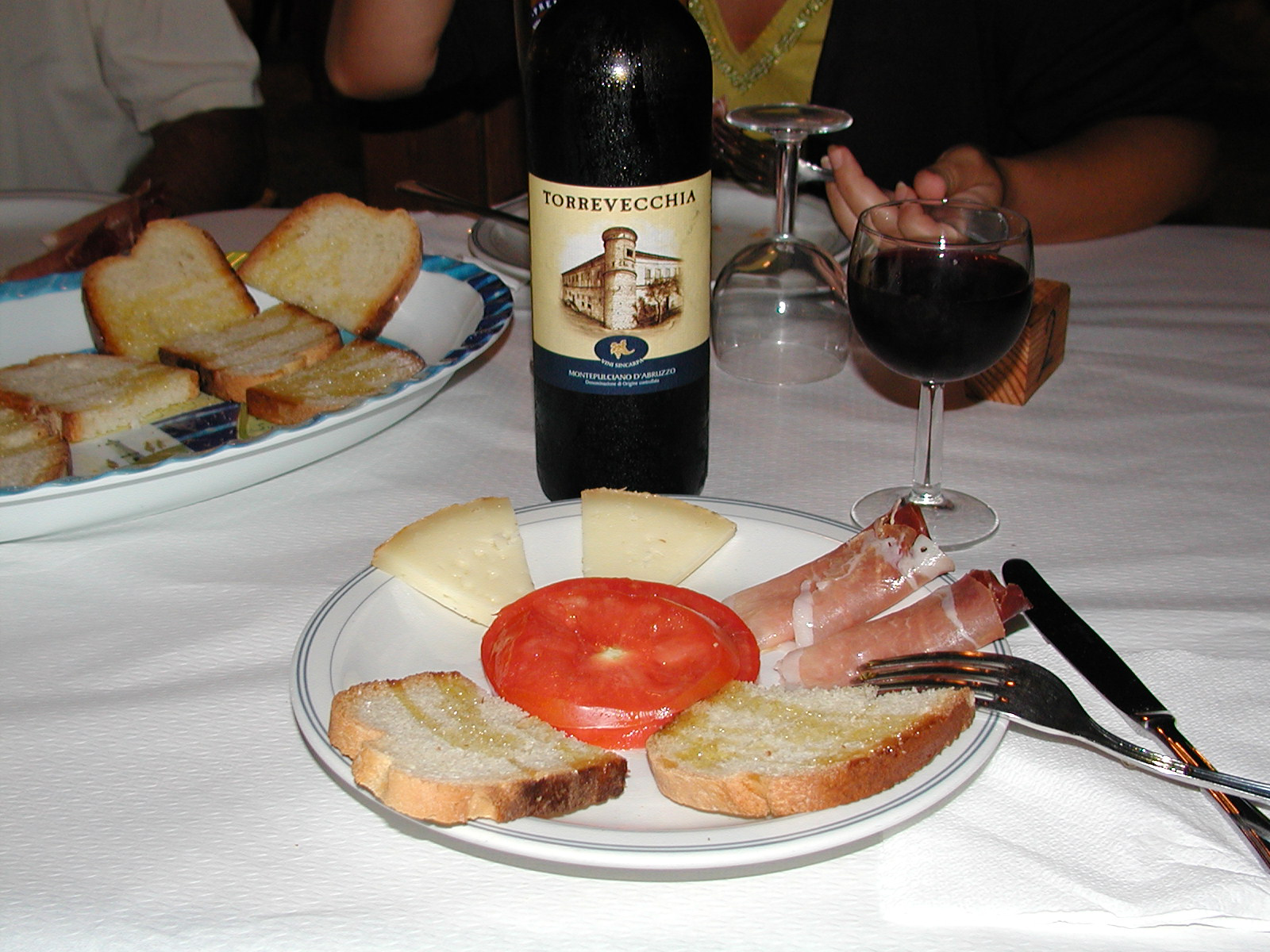
Montepulciano d'Abruzzo

Montepulciano d’Abruzzo

Food products with a geographical indication are becoming more important worldwide, both in economic and cultural terms. In the course a distinction is made between Origing Food Products with a protected geographical indication (PDO, PGI or TSG) based on EU-regulations such as Parma ham, Boerenleidse kaas, Café de Colombia and not officially acknowledged Origin Food Products locally sourced by e.g. restaurants, shops or online box schemes.

The course deals with a range of questions on OFPs organised in five themes: 1) Linking people, place and product: the construction of distinctiveness; 2) Regulation and legislation; 3) Marketing and branding; 4) Sustainability impact; 5) Consumers’ appreciation, regional gastronomy and food tourism.

The course consists of a combination of lectures, group assignments to study some Origin Food Products more in detail and a gastronomic excursion, often seen the higlight of the course.

Students interested in the course can ask for the Course outline for this year. Contactperson: Dirk.Roep@wur.nl