Edible balconies; excursion in course Food Policy

Within the new Food Policy course we organised an excursion to an edible balcony project in The Hague organised by the grassroots organisation Gezonde Gronden (healthy soil) in collaboration with Mother Centre ‘De koffiepot‘. In the deprived neighborhood Laak Noord, with significant lower general life expectancy and life quality indicators, women from more than 50 different ethnic backgrounds find support, education and empowerment in the Mother Centre.

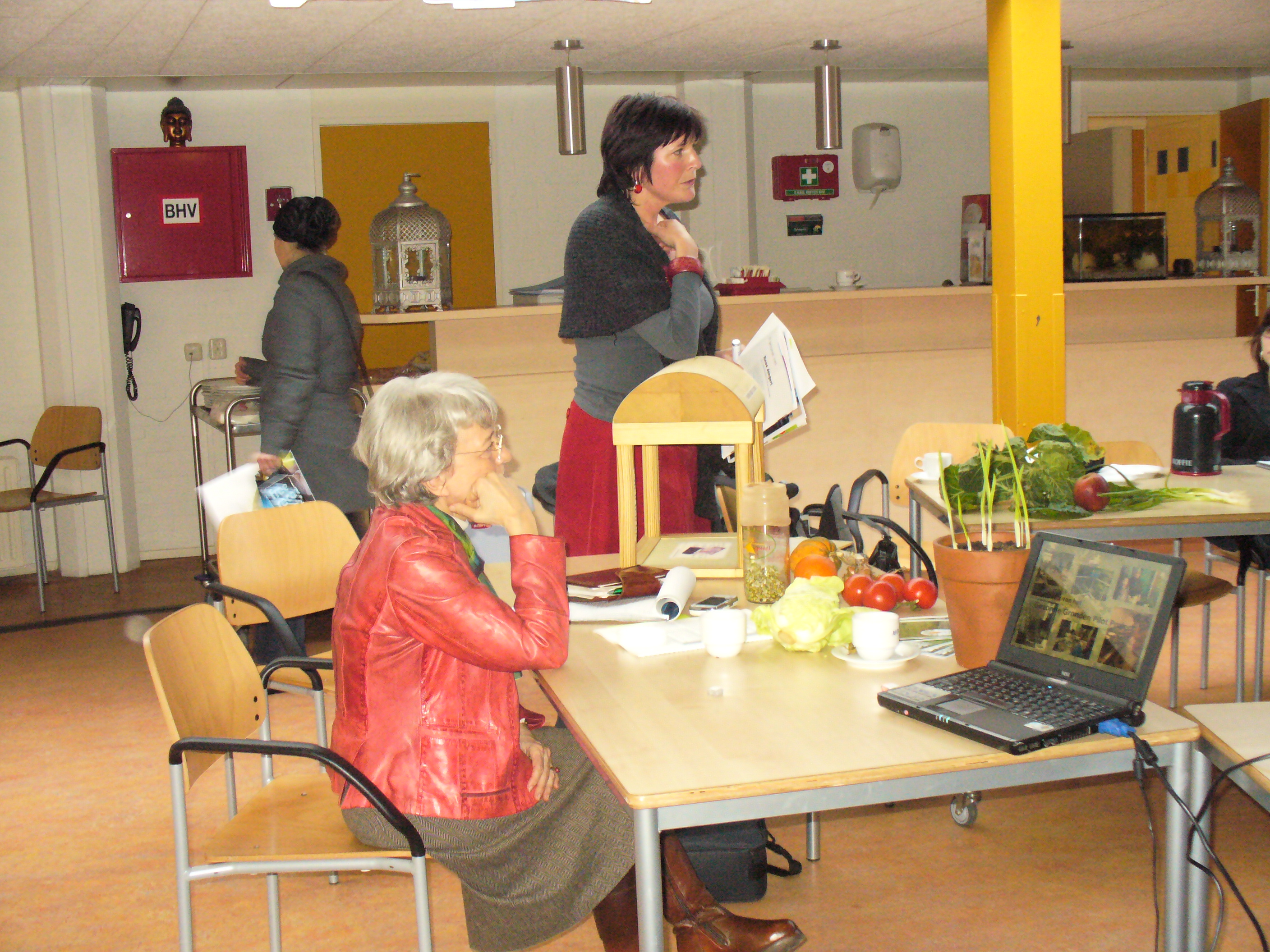
The centre is run by Noortje van der Kaaden who explained the students the (worldwide) concept of the Mother Centre and the history of this centre in Laak Noord, before she had to defend her centre against a major budget cut that would effectively cut the centre in half. It is only one example of the current destruction of grassroots organisations in the environmental, cultural and social sectors induced by our right-wing cabinet. Grassroots organisations such as the Mother Centre or the ‘Haags Milieu centrum’ which provide services for over 25 years are on the brink of being abolished.

Bessie Schadee of Gezonde Gronden developed the balcony project to improve knowledge and access to healthy food. She explained how the philosphy of the project rooted in the important relation between healthy soils and healthy people. The students were made aware of the far-reaching consequences of the worldwide destruction of healthy soils. During the balcony course, women learn how to grow vegetables and fruits in a low cost manner using second-hand material while healthy soil and boxes are provided by Gezonde Gronden.

Explanation of design of edible garden in Mother Centre

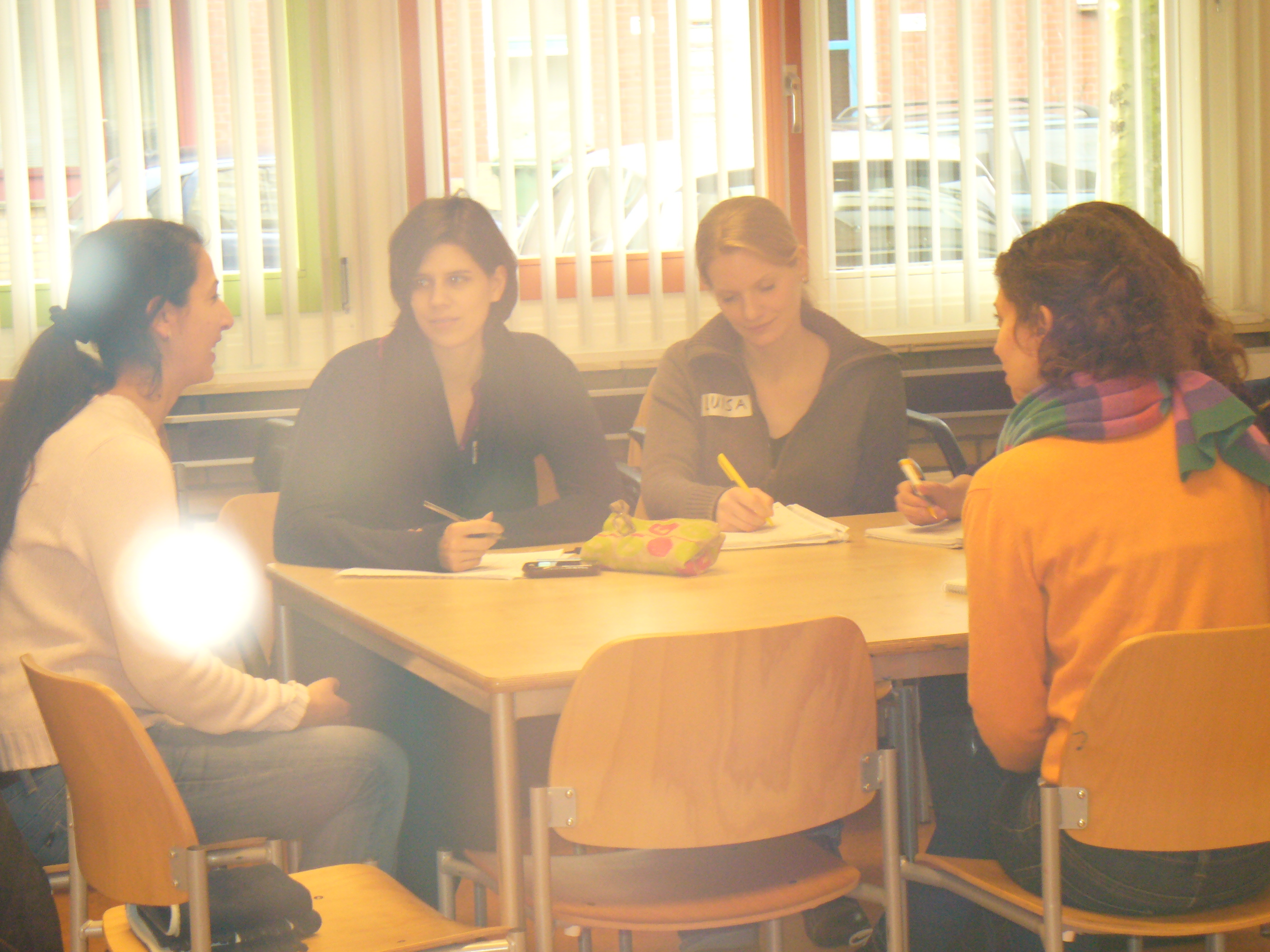
Several women who participated in the course were prepared to talk to the students about their motivation and the effect this project at on their lives. In six groups students each interviewed one of the participants. They found several positive effects which illustrated the way access to home-grown  food – apart from the value in and of itself – had additional social and cultural benefits. 

These included empowerment through the contribution these women were making to household economics, social integration through seed exchange and cooking classes and improved knowledge on fruit and vegetables enlarging the variety of vegetables in their diets.
Rural regional learning in ‘Upper Lusatia’ (Oberlausitz), Germany

Following my visit to Alytus County, Lithuania in October, I travelled to Leipzig, Germany to visit our DERREG project partners Michael Kriszan, Robert Nadler and Joachim Burdack (Leibniz Institute for Regional Geography) in their case study area ’Upper Lusatia’. In this blog, Michael, Robert, Joachim and I would like to share some of our experiences.

We first discovered that the case study regions Westerkwartier and Upper Lusatia are very different in their geographical and demographical characteristics. The LEADER region Westerkwartier in Groningen province comprises four municipalities on an area of 374km² and has a population density of 173.4 inhabitants/km² (as of 2007). In 2006, its GDP per capita was estimated at 55,400 Euro and the area has recently witnessed a population increase due to its popularity amongst young families who work in the city of Groningen and value the countryside as their residential area. The Southern part of the Westerkwartier is thus characterized by a high population density and a number of conflicting interests regarding the use of the countryside while the North of the Westerkwartier is primarily used for agriculture.

Upper Lusatia consists of the two Saxon districts Landkreis Görlitz and Landkreis Bautzen that have only been established in 2008 in the process of a reform of the administration units in Saxony. The case study region has an area of about 4,500 km² and has a population density of 135 inhabitants/km². It comprises 122 municipalities- of which 30 are urban centers- and had a GDP per capita of 18,329 Euro (district Görlitz) respectively 19,396 (district Bautzen) in the year 2007 . The region is divided into ten rural development areas, six ILE regions and four LEADER regions. In contrast to the Westerkwartier, the population of Upper Lusatia is shrinking rapidly. Young inhabitants are leaving the area due to a lack of employment opportunities, leaving the elder people behind. Rural development in this region is therefore not only affected by an aging population but also by a shrinking human capital available for development purposes. Through the reform of administrative units altogether four previously distinct districts (Landkreise) and two cities (kreisfreie Städte) have been incorporated into the two “new” districts of Görlitz and Bautzen. The previous Landkreise, however, are very distinct in their physical appearance. The former district Niederschlesien-Oberlausitz for example is characterized by a low population density and shaped through past and present coal mining activities while the hilly district Löbau-Zittau is recognized as a touristic area and winter sport resort. Due to the lack of a common history and the physical distinctiveness, there is no regional identity of the population within both districts.

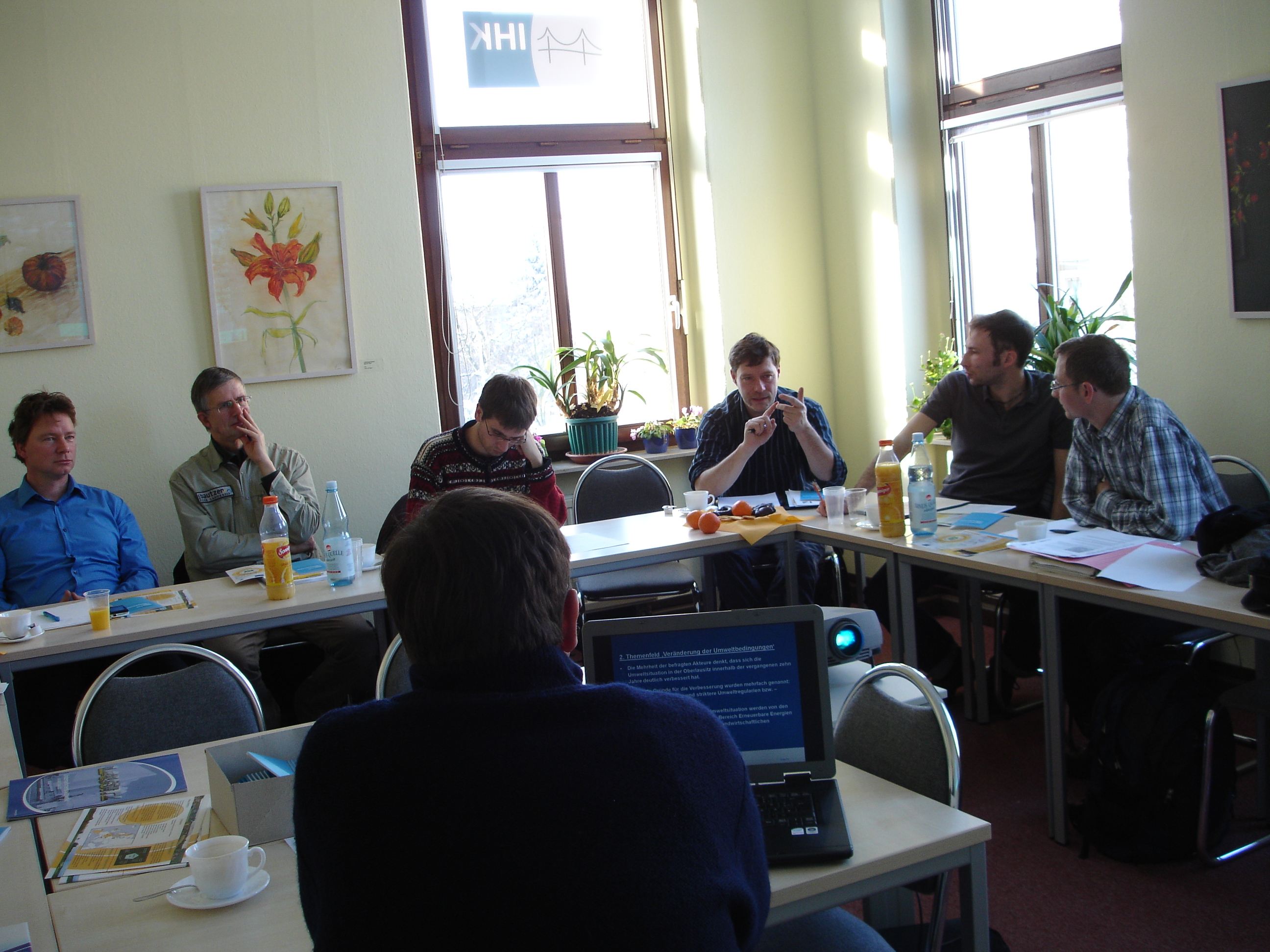
To evaluate the support and facilitation available for learning and innovation within local grassroots development initiatives in Upper Lusatia, Robert, Michael and Joachim organized a workshop for regional stakeholders.

Workshop in Upper Lusatia, Germany

Continue reading

FoodWorks – New York City’s innovative and ambitious food strategy

On November 22nd, the New York City Council presented a comprehensive plan that sets a bold vision for a more sustainable food system. The plan, ‘FoodWorks’, addresses sustainability and health issues at every phase of the food system – from agricultural production, processing, distribution, consumption and post-consumption. The objectives of FoodWorks range from combating hunger and obesity to preserving regional farming and local food manufacturing to decreasing waste and energy usage.

FoodWorks contains 59 policy proposals spanning five phases of the food system. The proposals include new legislation, funding initiatives and far-reaching goals that present a long-term vision for a better food system.

  • Agricultural Production – Support regional farmers, strengthen regional linkages, and increase urban food production 
  • Processing – Generate growth and employment in the food sector
  • Distribution – Improve food distribution channels into and within the city
  • Consumption – Fresh food must be available to New Yorkers regardless of where they live
  • Post-Consumption – Seize opportunities to reduce and recapture waste

The New York Council worked with experts including farmers, gardeners, chefs, partners in government and labor, as well as hunger and environmental advocates throughout the process of developing the Food Works report.  Both content-wise and process-wise New York City’s food policy FoodWorks is innovative and ambitious and can serve as an inspiration for many city councils across the world.

PUREFOOD – 12 vacancies for ESRs are open

As mentioned in an earlier post on this weblog, the Rural Sociology Group has been granted the the coordination of a Marie Curie Initial Training Network  entitled ‘Urban, peri-urban and regional food dynamics: toward an integrated and territorial approach to food (PUREFOOD)’ funded by the European Commission’s Seventh Framework PEOPLE program. The objective of PUREFOOD is to train a pool of 12 early-stage researchers (ESRs) in the socio-economic and socio-spatial dynamics of the (peri-)urban and regional foodscape. The PUREFOOD network is centred around food as an integrated and territorial mode of governance and studies the emergence of the (peri-)urban foodscape as an alternative (as opposed to a globalised) geography of food, including the ways in which, and the extent to which, sustainability aspects generally considered to be intrinsic to the alternative food geography are incorporated by the more conventional food companies.

As of now all 12 PUREFOOD research vacancies have been published (or soon will be) by the host universities. For information about the ESR vacancies and application guidelines, you can download the PUREFOOD vacancies leaflet. For more information about the objectives, training and research approach and training program of PUREFOOD you can download the PUREFOOD information pack for prospective ESRs. The deadline for application is 3 January 2011.

Eligibility criteria

The enhancement of transnational mobility to improve career perspectives of early stage researchers is the main goal of the Marie Curie Initial Training funding. To achieve this objective the following eligibility criteria for prospective ESRs have been formulated:

  • You are eligible as an ESR if you are, at the time of recruitment (i) in possession of a university degree, and (ii) have a maximum of four years of full-time research experience, including any period of research training. This is measured from the date when you obtained the degree which formally entitles you to embark on a doctorate, either in the country in which the degree was obtained or in the country in which the research training is provided. Please not that ESRs cannot be PhD holders.
  • You are eligible to the position if, at the time of the selection by the host university, you did not reside or carry out your main activity (work, studies, etc) in the country of the host university for more than 12 months in the 3 years immediately prior to your recruitment.

If you have any questions about a vacancy please contact the contact person mentioned in the vacancy announcement. For general question about PUREFOOD please contact me (han.wiskerke@wur.nl).

AESOP; the government in the garden

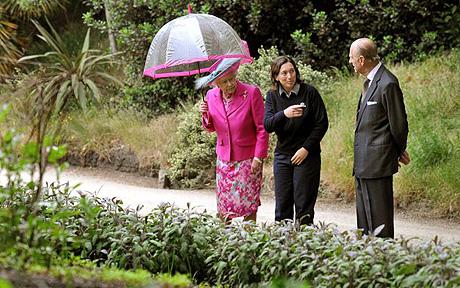
Queen Elisabeth's Vegetable Garden. Photo:John Stillwell/PA Wire

Why is the government in the garden? This was the title of the last presentation in our Working Group Urban Food Governance at the AESOP conference this weekend in Brighton. Some governments are getting into the garden, case studies presented by conference participants showed how and why. Food is ‘becoming public’ a process of taking responsibility for what has been seen until very recently as a pure free-market issue. Public planning and action occurs for various reasons; because of urban health and obesity, the Urban Heat Island effect, food security in poor neighborhoods or in response to civic actions and food movements.

Notwithstanding the promising examples, there is reason for worry too. The political climate has shifted markedly in countries such as the UK and the Netherlands and budget cuts are threatening the sustainable food agenda because this ‘additional’ issue came in last and is the first to be thrown out. A second reason is what seems to me a continuing planner’s identity crisis. The philosopher Hans Achterhuis admits in his recent book that neoliberalism became so much the norm that the process of how it slipped into virtually every policy by small pragmatic adjustments happened unseen even for many of the critics.

Planning seems the opposite of neoliberalism. At the conference, we were stimulated to start planning again, the word master plan fell and was heavily debated. Planning –by default – seems to restrict choice. And free choice is the symbol and myth of neoliberalism with which few people dare to interfere. It is an unproductive and misleading contrast. As if no planning takes place now. Urban planners who decide upon the location for a supermarket are planning, the question is, which criteria are used and which of those do conflict with other public interests? The neoliberal idea of planners restricting choices has encroached the belief that planners can counteract private business interests. They can and should I think. The case studies often showed that current successful examples developed from a particular local  ‘culture’ among those working with urban food planning incorporating public values such as equity, fairness, access and community.

The presentations and keynotes will be made available over the course of the coming week at the conference website