Repeasantisation in Araponga, Brazil – a quest for space

By Leonardo Ayabe van den Berg, MSc graduate International Development Studies

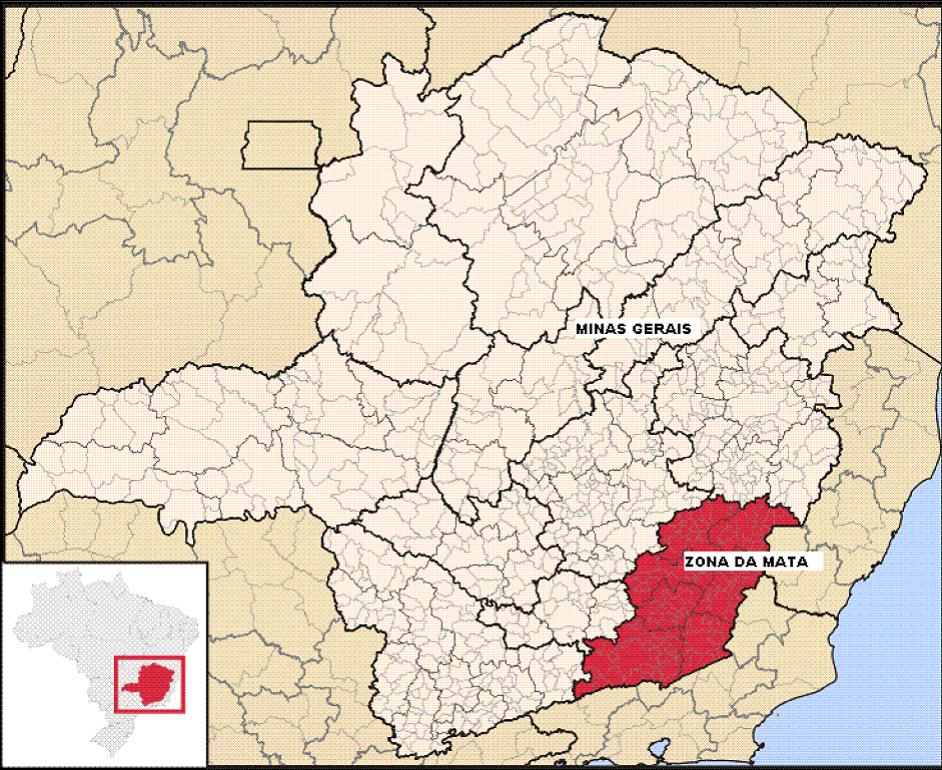
Recently I completed my MSc-thesis. The thesis research is set in the municipality of Araponga in Brazil, where (re)peasantisation occurred and continues to occur. Here I describe some of the findings of my research.  When interested you can downlaod a pdf of my thesis ‘Invisible peasant movements: A case study of (re)peasantisation in Brazil‘.
Araponga

Araponga

When I started to read about the peasantry there were two major things that occurred to me as striking. First, in policy peasants are often considered as a group of laggards: who are unable to take care of themselves and therefore need social assistance; who rely on primitive forms of technology and therefore must be modernized; or who are impeded by a stagnant, traditional mentality and must therefore be converted into small entrepreneurs. The peasant mode of farming is seldomly considered in its own right. Second, in academic theory peasants are predicted to disappear, weaken or live a life of poverty as a result of their inferior mode of production and their helplessness. Departing from the assumption that actors are driven by a specific economic-rational logic, neo-liberal approaches roughly theorise that peasants commoditize, compete with other farms as a result of which there will be regional growth. Tradition or culture can block economic rationality and the transition from peasant to entrepreneur. The peasant will then be doomed to poverty. In contrast to the neo-liberal approach, neo-Marxist approaches, most of which also assume that the peasant is driven by an economic logic and commoditize, theorise that commoditization will either lead to the destruction of the peasant enterprise or to a fate of poverty. This is the result of price fluctuations, squeeze in agriculture (caused by the trend of decreasing produce prices and increasing input prices for farmers), or newly emerging food networks (through which income from weaker, peasant, parts of the chain are squeezed in favour of the more powerful, retailers, part of the chain). These predictions and preconceptions contradict with what happened in Araponga, a rural municipality in the state of Minas Gerais in Brazil where there was a rise in the number of peasants and an increase in welfare. The objective of this thesis was to find out how this was possible: how had (re)peasantisation occurred in Araponga. Continue reading
A new place for my internship: Delivery of organic food boxes, part 3

By Corinna Feldmann – MSc Student

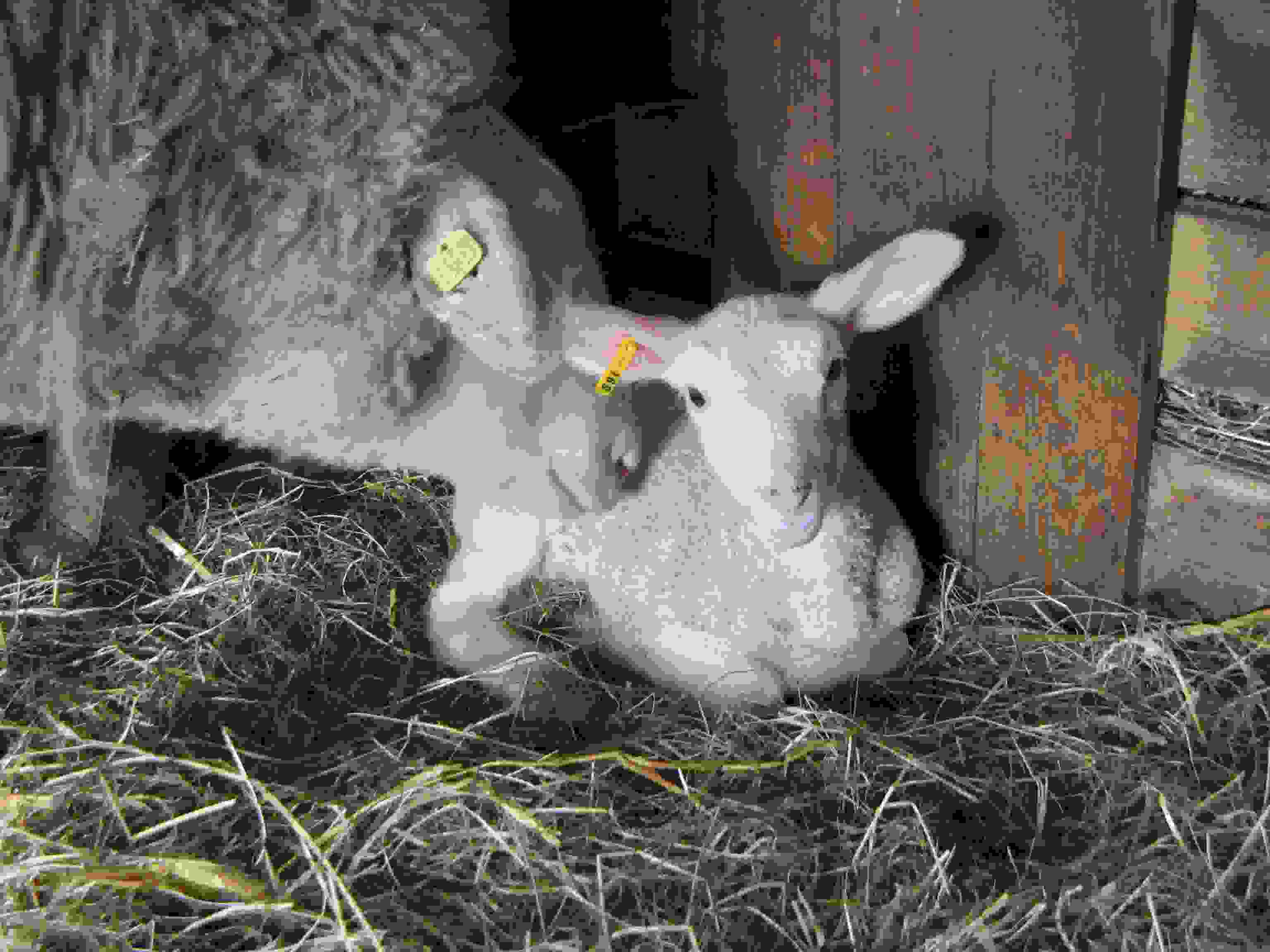
After two months of practical work at the sheep farm and dairy, I decided to leave that place. Working conditions as well as social interaction and communication on the farm became worse and worse; the assignment of tasks and responsibilities was very unclear and often resulted in misunderstandings. Working at the farm was very dissatisfying in the end.

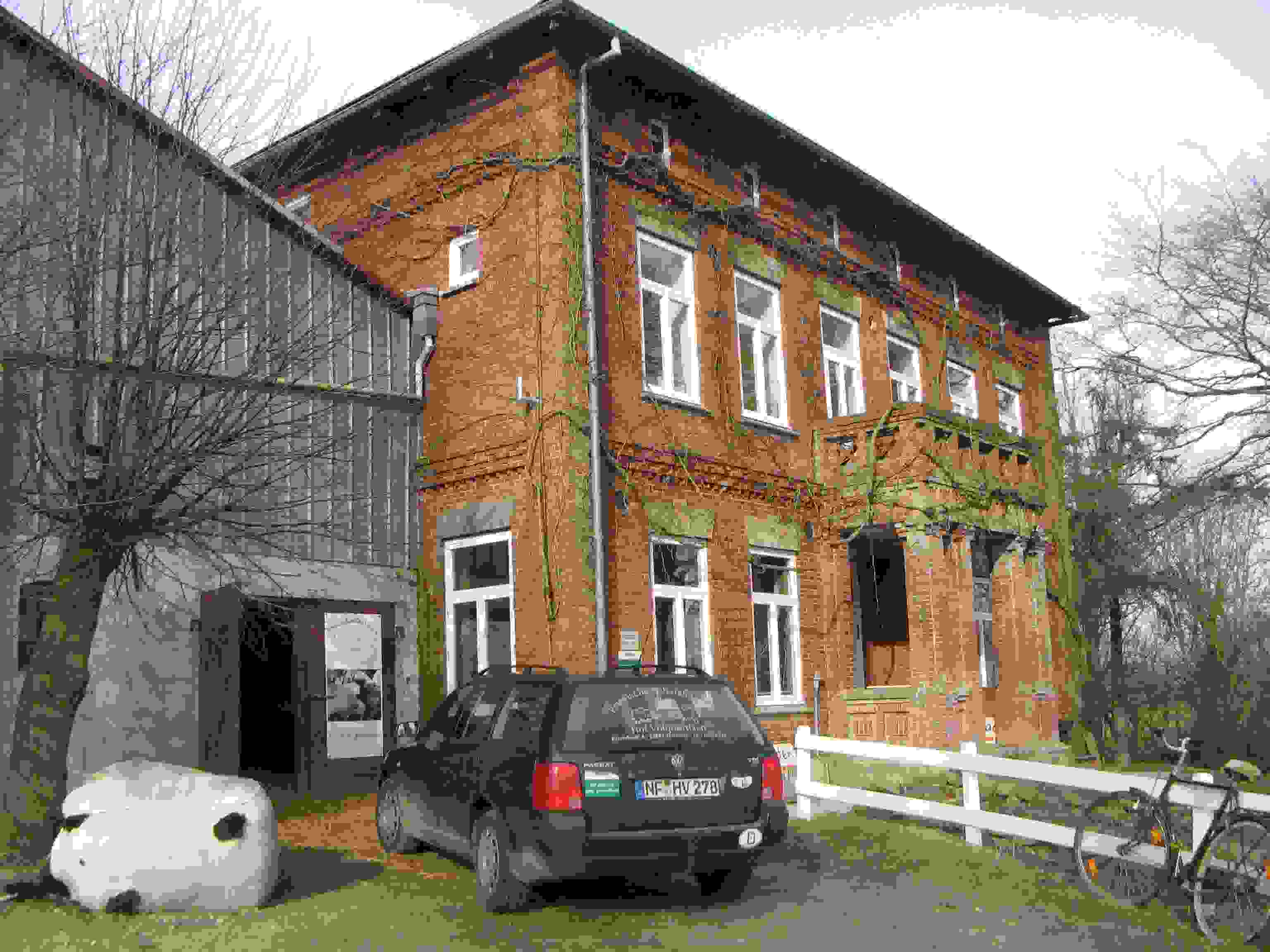
Instead, last week I started working at a farm close to the ‘Lüneburger Heide’ in Northern Germany. This farm is also very engaged in direct marketing. They deliver organic food boxes to 1300 customers in the region. The farm produces a lot of vegetables, herbs, and fruits, as well as some beef and pork meat. The food boxes are supplemented by many organic products from other organic farms and a wholesaler. Consumers can get almost everything they like in their individual food box. For more information you can have a look at the homepage: www.elbers-hof.de.

Internship in the ‘Friesische Schafskäserei’ (Friesian sheep dairy), part 2

By Corinna Feldmann – MSc Student

March, 13th
Life on the sheep farm is very busy right now. More and more lambs are getting born, which have to be fed and of course more sheep have to be milked. All the milk is now used for cheese production, as we are expecting many tourists during the Easter holidays. I am already looking forward to the first guided tours and cheese tastings on the sheep farm. And I am interested to find out about the reasons for tourists to visit a farm during their holidays. Right now we have a lot to do to manage all the preparations. I hope the weather will be better soon, so that at least the sheep can get out of the stable and into the fields…

March, 21st
Finally spring arrived in Northern Friesland; the snow melted and the grass is turning green. Early spring flowers are blossoming. Hopefully the sheep and lambs can be sent out to the fields soon. Many of the lambs are already big enough to survive without their mothers. So, now we can concentrate on cheese making and selling. During the Easter holidays the first visitors are expected. But some of the cheeses still need to ripe in the cellar; they will be ready in May, when the tourist season begins.

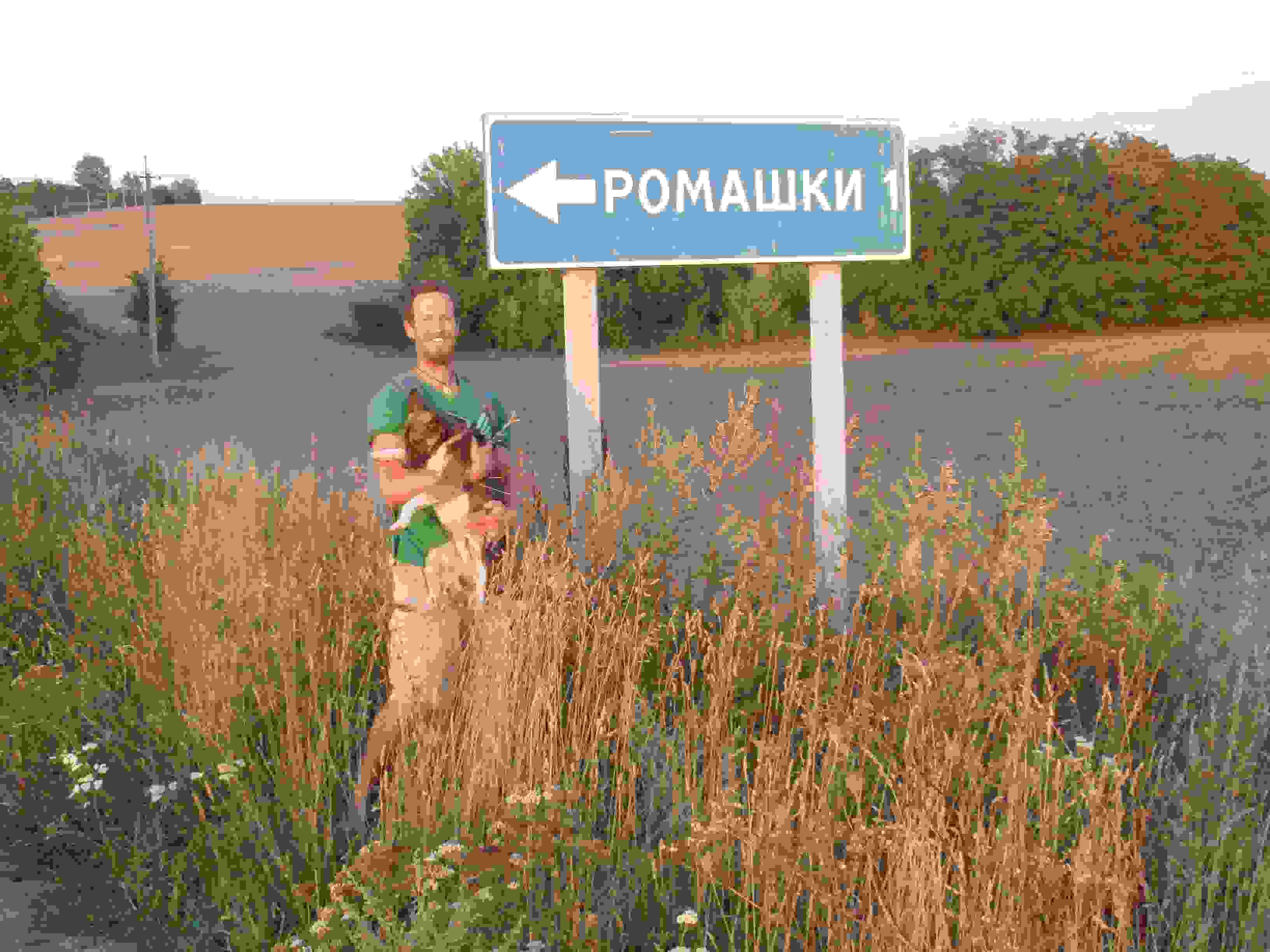
Romashki or a Life Less Ordinary, part 2

By Thomas Mcintyre

Once upon a time…Do you, my dear reader, believe it is possible to live in a fairytale? This may seem like a strange question on a rural sociology blog, and indeed it is. It is not a question I thought seriously about before, though I confess I have been predisposed to curling up on a chair in front of the fire and entering the world of fairytales through a book or through my imagination… but to live in one! This seems rather preposterous, and you would be forgiven for wondering what this has to do with serious anthropological research. But like any good research, setting out into the unknown has raised some strange questions I have had to stew on. If you answer a tentative yes to the opening question, as I am now inclined to do, then would you entertain the thought of writing a fairytale thesis? After all, if the reality you are studying is a fairytale, then would it not only be appropriate that the written representation of this reality should also be a fairytale? Now, I suppose you would like me to explain what I mean by living a fairytale and writing a fairytale thesis, especially its academic justification and application. But first things first: my arrival to Romashki.
Continue reading

Internship in the ‘Friesische Schafskäserei’ (Friesian sheep dairy), part 1

By Corinne Feldmann – MSc student

After finishing my master thesis with the RSO department and FiBL in Switzerland, I decided to do some more ‘practical work’ during the internship for my MSc Organic Agriculture.

So, here I am…on an organic sheep dairy farm in Northern Germany. The tourists are not yet here, since it is icy and cold – not very attractive for holidays right now. But in a few weeks they are supposed to come in order to visit the farm, look at the sheep, and try the cheese.

Right now the lambs are getting born. They are cute but freezing outside in the stable – just like me. There are quite a lot of lambs already, so that we will start to milk the sheep soon and than we can also start to produce cheese…for all the expected tourists.