Second Sustainable Food Planning Conference – Reminder

As I announced in a blog on the 31st of March, the Urban Performance Group of the University of Brighton (UK) will host the second European Sustainable Food Planning Conference on 29 and 30 October 2010. Planning for sustainable food production and consumption is an increasingly important issue for planners, policymakers, designers, farmers, suppliers, activists, business and scientists alike. In the wider contexts of global climate change, a world population of 9 billion and growing, competing food production systems and diet-related public health concerns, are there new paradigms for urban and rural planning capable of supporting sustainable and equitable food systems? This conference will promote cross disciplinary discussions between active researchers and practitioners in response to this question, and related issues articulated during the first European Sustainable Food Planning Conference held in 2009 in Almere.

Working at a range of scales and with a variety of practical and theoretical models, we will review and elaborate definitions of sustainable food systems, and begin to define ways of achieving them. To this end 4 different themes have been defined as entry-points into the discussion of ‘sustainable food planning’. These are:

  1. Urban agriculture;
  2. Integrating health, environment and society;
  3. Food in urban and regional planning and design;
  4. Urban food governance

For each theme we are seeking contributions. Abstracts should be no longer than 500 words, and e-mailed to Andre Viljoen (a.viljoen@brighton.ac.uk) no later than the 31st May 2010.

For more information, see the conference website.
Developing Czech Sitopia

How to get good quality food from your own region? Where to buy fresh and organic food which is in season in the Czech region of Dvur Kralove and in cities such as Trutnov and Broumov? How to get a network going of (potential) producers and (potential) consumers? These were among the questions discussed during a seminar about quality food and permaculture which was held at MIZ in Zdoňov, near the Polish border around 3 hours northeast from Prague on the 14th of May.

During the seminar different aspects of permaculture were presented in both Czech and English to the 10 participants mainly from around Zdoňov. We discussed how to enhance biodiversity, how to build fertile soil, how to start ecological farming and how to set up a regional food network. The seminar concluded with a joint initiative of three presenters to get themselves and their aims known in the region so that other people with similar interest, both consumers and producers can respond.

In a way, this was a tiny start in making Sitopia, I realized today listening to the guest lecture of Carolyn Steel for the Bsc course ‘Agrarische en rurale ontwikkeling; sociologische perspectieven’. Sitopia, she explained is derived from the words “Sitos” and “topos” meaning “food” and “place”. Making place through food, through meals, through sharing, through caring about the origins of your daily meal and thus, searching for a kind of human connection to food which can hardly be expressed in the anonymous context of the supermarket. In this Czech region, there is not much infrastructure yet beyond the faceless produce from globally operating supermarket chains. But just like in many other countries, mentality is shifting and new networks are born each day.

Integrated-regional food paradigm

In the current second year Bsc course ‘Agrarische en rurale ontwikkeling; sociologische perspectieven’, students have to make assignments in groups connected to documentaries which subsequently provide input for discussion tutorials. During the first week we worked with the concept of ‘paradigm’ and compared current competing agro-food paradigms. The agro-industrial paradigm (see e.g. Ploeg 2010) and the integrated-regional paradigm (see e.g. Wiskerke 2010).

It led to interesting discussions on feeding the world and the future of our resources. Very remarkable was that the integrated-regional paradigm changed names in the student reports to the ‘traditional’, or ‘local & artisanal’ paradigm. When asked, this turned out to be no conscious choice. It revealed implicit images of the integrated-regional paradigm which influences judgements about the feasibility of this alternative. It also revealed that the practice and future potential of this paradigm is still partly unimaginable.

Earlier this year, other Msc students went to see the integrated-regional paradigm in practice in Hemmen, just at the other side of the river Rhine. Here, several entrepreneurs in organic agriculture and retail are integrating their businesses while keeping their independence and are regionalising their practices step by step. This may still sound abstract. A true explanation needs more than one blog. Here, for now an example of what ‘integrated’ could mean.

Organic arable farm Lingehof (aprox. 80 hec. and 14 mainly contract crops) includes in its rotation scheme space for the gardeners of the Stroom, who run an organic vegetable box scheme for approx. 200 households. Together they also make it possible for people to adopt a (high-stem) apple tree. The dairy farm Opneij and the Lingehof together function as a mixed farm, exchanging manure and straw, rotating grassland and fodder crops. Organic shop the Smidse sells vegetables from the Stroom, meat from Opneij and bread from wheat of the Lingehof. Last year they also started collaboration on another level through the ngo Stichting Hemmens Land (and see earlier blog). One of the activities of this ngo is to set up thematic excursion arrangements to offer groups (such as the Wageningen students) the possibility to visit all involved entrepreneurs around a coherent (educational) program such as closing the nutrient cycle. This can be seen as an integrated (farm)diversification strategy and will create a source of extra income.

Red Russian Kale

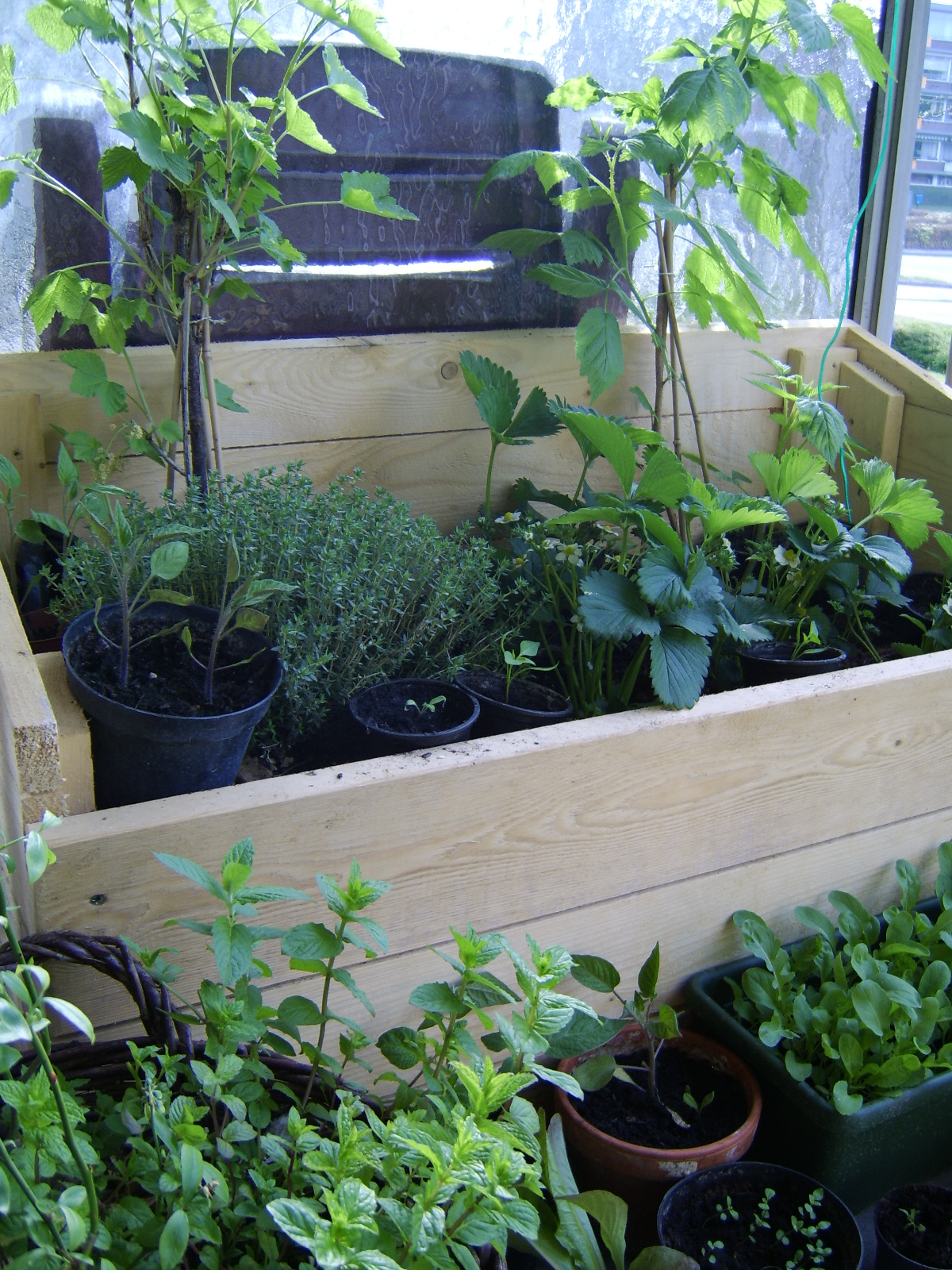
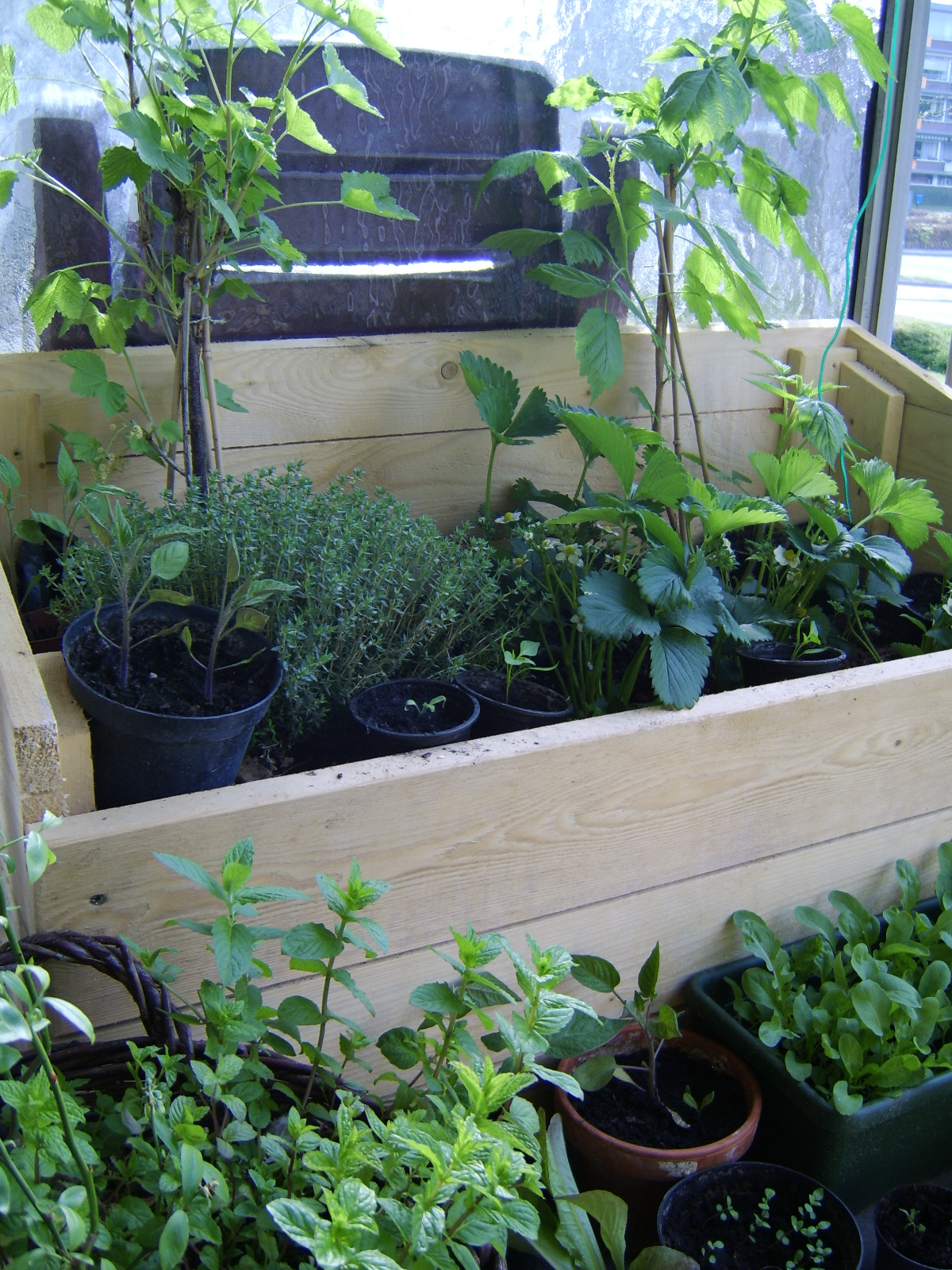
This is a precious time. Everyday a new shade of green appears with yet another tree coming out of its shell. It is the miracle of nature at work which I also intensely enjoyed growing up on a farm. Our balcony is joining the green forces; snow peas, tomatoes, lettuce, kale, herbs, flowers, brocoli, peppers, strawberries, red currants, raspberries. In part this nursery provides the allotment garden.

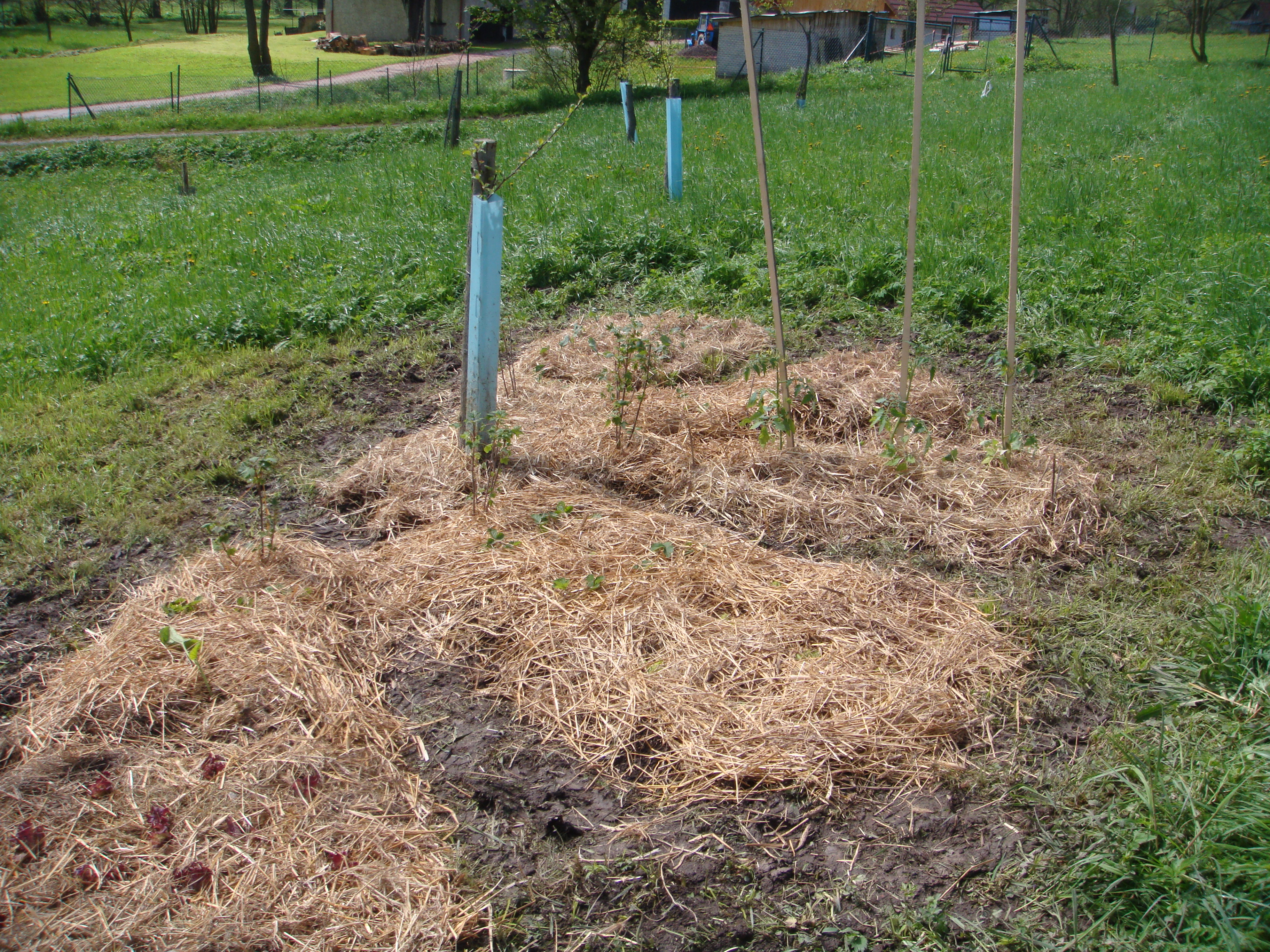
But yesterday we tried something new. We joined the guerilla gardeners who “attacked” the Netherlands this weekend in 7 municipalities. Guerilla gardening has blown over from the US and the UK and is about making public space in urban environments greener and more edible. Quite literally in our case. We planted ‘red russian’ kale in our neighborhood grown from seeds of the Small Potatoes farm in Iowa.

Local food at the Rhederoord estate – gastronomic highlight II

Earlier MSc-student Renee Ciulla added a post on our gastronomic field trip to the Rhederoord Estate. I made a video clip of the display of local food and explanation by patron cuisinier Gerhard van den Broek of the Rhederoord Estate. As I shot the clip with a regular photo-camera, by way of experiment. The quality is not excellent, also because of the yellow atmospheric light, but still the food look very tasty and the explanation whets your appetite. Rhederoord was indeed a gastronomic highlight for the students and myself!

You can watch more video clips on Rhederoord at http://www.youtube.com/user/rhederoordnl