Towards Implementation: Reflecting on 10 years of the Right to Food

Today an interim report by the Special Rapporteur on the right to food, Olivier De Schutter, made to the 68th Session of the UN General Assembly has been released. You can download a PDF copy here: Assessing a decade of progress on the right to food

The report – Assessing a decade of progress on the right to food– provides insight into practical aspects of realizing the right to food. It notes that the right to food has “become an operational tool” that is “widely recognised as a key to the success of food security strategies” (para 3).

Focusing on progress made since the 1996 World Food summit, the report identified:

  • Best practices
  • Roles of key actors: governments, parliaments, courts, national human rights institutions, civil society organisations and social movements.

The report also notes that systems of national protection are being redefined in terms of rights, a welcome move away from the understanding social benefits as charitable hand-outs. It argues that the right to food has entered a new phase: implementation. This is key as it moves from theory and law to practice. Grievance redress mechanisms (e.g. courts, social audits) are playing a role in promoting this change.
Continue reading

Leadership and regions: unlocking the potential of communities

Every year the European Commission organizes Open days in Brussels, where EU Members of Parliament, national, regional and local policy/decision makers, Academics, students and researchers, can inform themselves on a variety of subjects. These Open Days host workshops and debates, and exhibition route, presentation of RegioStars -the most innovative projects co-financed by EU Structural and Investment Funds – and “Open Days University and Master Class”. See the programme.

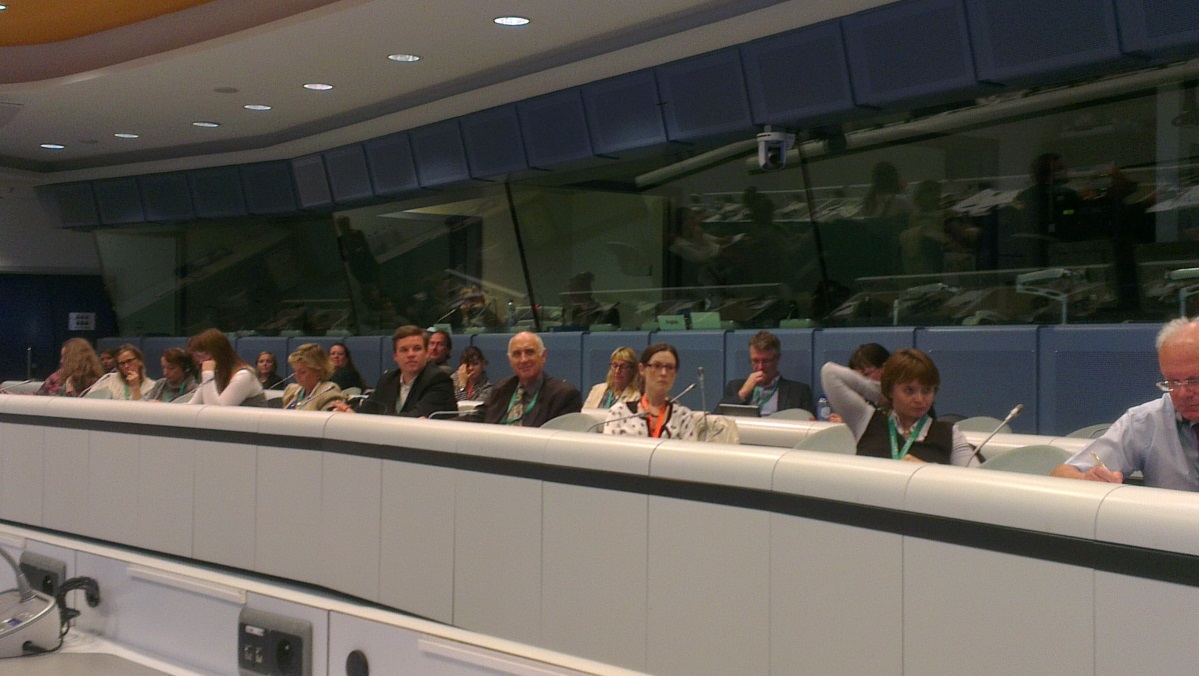
open days 1The Regional Studies Association (RSA)  and the European Commission (DG Regio) organized 4 Master Classes, including a session for more than 100 participants on Oct. 9th 2013, on the topic of ‘Leadership and Regions: Unlocking the Development Potential of communities’, chaired by Prof. Dr. Andrew Beer. Besides Prof. Beer, Dr. Terry Clower (Texas), Dr. Henrik Halkier and myself were the speakers.  This report is based on the their presentations and the discussion with the audience.

Continue reading

New to the Rural Sociology Group: Introducing myself

I have been here in Wageningen and at the Rural Sociology Group for two weeks now so it only seems appropriate that I introduce myself.  I’m Jessica Duncan and I have been hired to teach courses in food cultures and food policy.

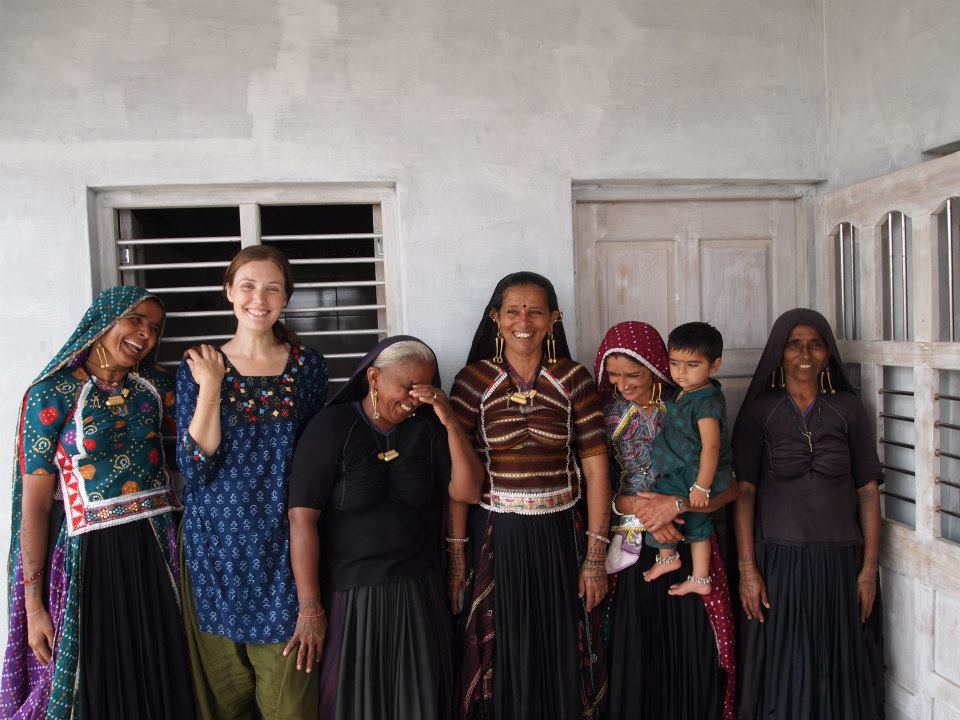
Conducting field work with women pastoralists in Gujarat, India (Summer 2012)

Conducting field work with women pastoralists in Gujarat, India (Summer 2012)

My teaching philosophy is based on the awareness of the central role food plays in socio-cultural and economic issues and across political discourse at all levels. Using food – with its physical, emotional and symbolic resonance – as a lens, allows us to approach complex problems and search for solutions that can impact our lives and the lives of others. I work hard to create a space where students feel encouraged to test ideas and tackle difficult questions with new concepts. Above all, I teach because I love to learn.

From 2008 to 2013 I worked in the Department of Food Systems, Culture and Society at the Universitat Oberta de Catalunya (UOC) in Barcelona. Here I developed and taught courses on research methods, food governance, and contemporary issues in food studies. I also supervised a broad range of post-graduate research students on topics related to food cultures and food security. The international nature of the programme gave me the chance to interact with students from around the world on key issues related to the study of food.

Continue reading

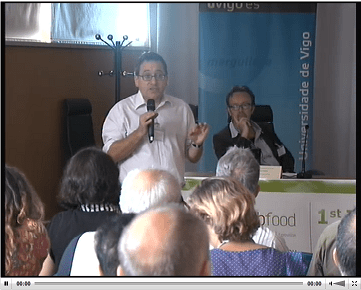
Live video stream SUPURBFOOD seminar

The SUPURBFOOD project team is currently meeting in Vigo (Spain). Today and tomorrow morning (26-27 June), experts from all over the world discuss issues of waste recycling, short food supply chains and multifunctional land use in urban areas. You can follow part of the seminar through live video stream.

vigo

Voedseltuinen: local food for the low income in the Netherlands?

The Rural Sociology Group is looking for a Master student.

Local and organic food is hip in the Netherlands nowadays though it is often seen as being quite exclusive and not accessible for people with low income. Are there examples in the Netherlands of local, healthy food for low income people?

The voedseltuin (food garden) is a recent phenomenon (since 2011) that seems to be doing just that. In general, the voedseltuin can be described as a place where mostly low income volunteers collectively grow food for themselves and for the food bank. Hence, the voedseltuin is different from an allotment garden.

Why are these gardens popping up in different cities in the Netherlands? The aim of this research will be to explore the voedseltuinen: What are their aims, who are behind it? What are their ideas about food? Is it about having enough food, cheap food or healthy food or is it about something else? And how do these initiatives work out in practice? Are they able to merge their aims with their actual activities?

The student is expected to interview initiators and participants of voedseltuinen in the Netherlands which can become part of a Master thesis research.

Interested students can contact Femke Hoekstra, Rural Sociology Group
femke.hoekstra@wur.nl