Many new experiences in direct marketing, part 4

By Corinna Feldmann – MSc Student
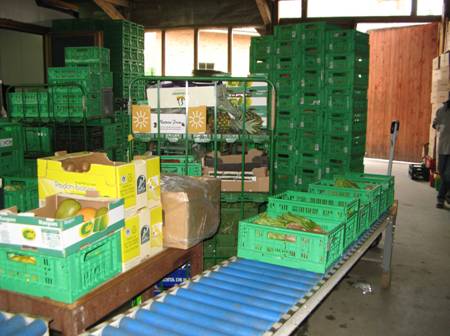
Food boxes

I already spent one month at the farm in Nettelkamp (Lüneburger Heide) – it is quite amazing here. Each day a lot of food boxes are filled with good organic products and delivered to couples, families and companies. I like the idea of supplying about 1300 customers per week with healthy and fresh foodstuff. But it also means a lot of organisation and coordination. We are always very busy with harvesting herbs and vegetables (it is time for asparagus right now), pre-packing, and the ordering of the right amount of products. Many people work in the office and deal with the requests and complaints of the customers. Although we put a lot of effort into the packing of the food boxes, some customers do not exactly receive what they ordered.

Last week I carried out a survey among all the customers to find out more about the reasons why they order an organic food box. Almost all of them sent back the questionnaires. Now I have got a lot to do with the evaluation of this survey. It is also going to be part of my final report.

Since Monday we got support from two trainees – one is from Uzbekistan and the other one from Russia. They help us with the field work and practise the German language.

Every once in a while there are cultural events in the farm barn. This weekend a choir and a group of drum players are performing in the evening. Thus, I made a lot of cake today and prepared dough for pizza. As you can see, it is not getting boring here, although it is quite a small village in a very rural area.
A new place for my internship: Delivery of organic food boxes, part 3

By Corinna Feldmann – MSc Student

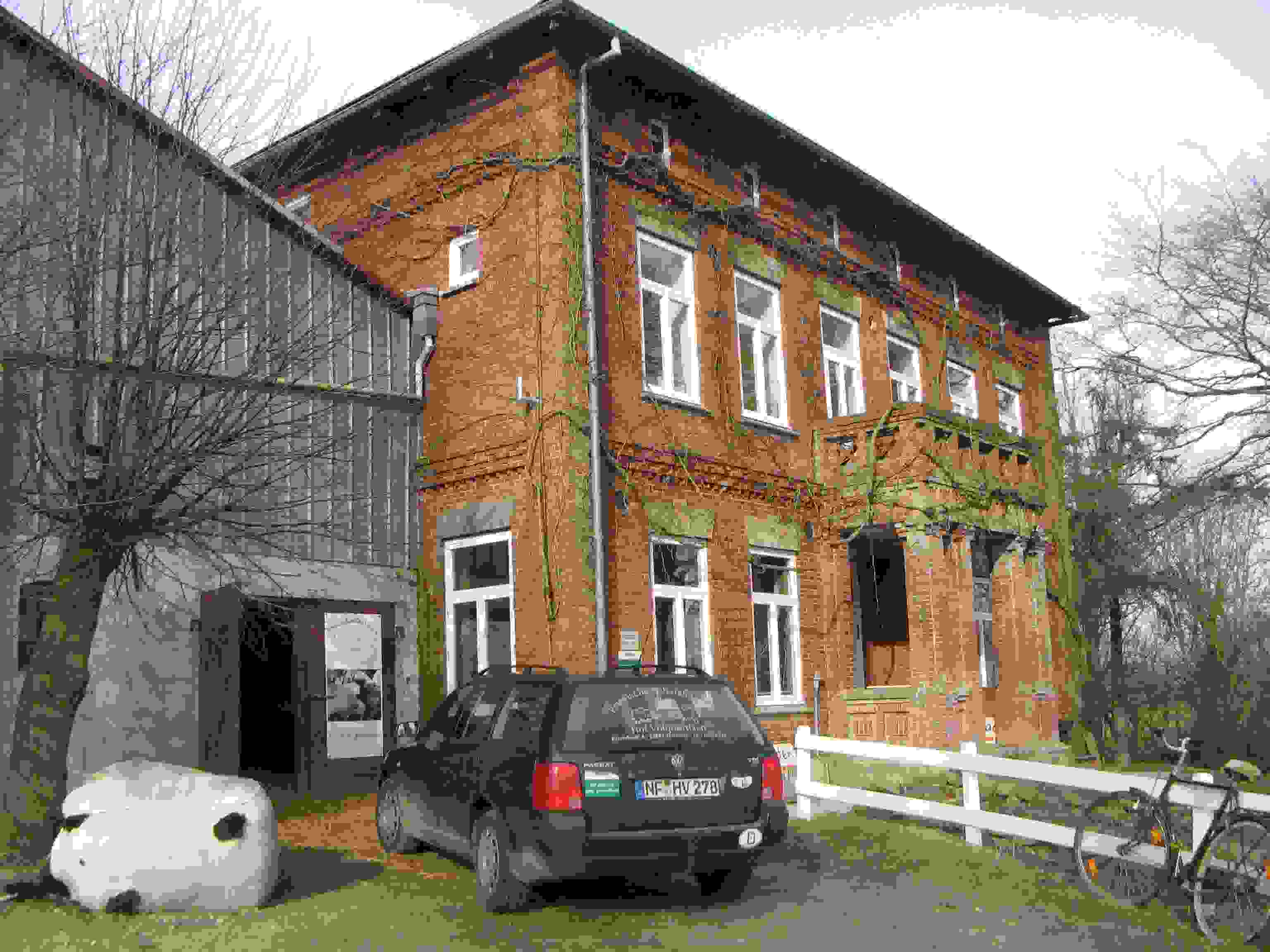
After two months of practical work at the sheep farm and dairy, I decided to leave that place. Working conditions as well as social interaction and communication on the farm became worse and worse; the assignment of tasks and responsibilities was very unclear and often resulted in misunderstandings. Working at the farm was very dissatisfying in the end.

Instead, last week I started working at a farm close to the ‘Lüneburger Heide’ in Northern Germany. This farm is also very engaged in direct marketing. They deliver organic food boxes to 1300 customers in the region. The farm produces a lot of vegetables, herbs, and fruits, as well as some beef and pork meat. The food boxes are supplemented by many organic products from other organic farms and a wholesaler. Consumers can get almost everything they like in their individual food box. For more information you can have a look at the homepage: www.elbers-hof.de.

AspergeGilde Peel en Maas

Het AspergeGilde Peel en Maas is een samenwerking van 25 aspergetelers uit de gemeente Peel en Maas. De telersgroep werkt samen met een aantal lokale restaurants, kookstudio’s en recreatieondernemers, ook wel de vrienden van het AspergeGilde genoemd. Het AspergeGilde heeft de volgende doelstellingen:

  • promotie van de Peel en Maasregio als aspergeregio
  • bevordering van de aspergeconsumptie door nadere kennismaking met deze groente en de productiewijze ervan

Met doet dit onder andere door het organiseren van aspergearrangementen (bezoek aan een aspergeteler in combinatie met een aspergemaaltijd in een lokaal restaurant), fietstochten door het gebied, kookworkshops, etc… Elk jaar wordt het aspergeseizoen geopend door middel van een aspergemaaltijd voor een grote groep genodigden. Dit jaar vond de seizoensopening plaats op 28 maart.

Voor meer informatie over het AspergeGilde Peel en Maas verwijs ik naar het onderstaande promotiefilmpje.

Internship in the ‘Friesische Schafskäserei’ (Friesian sheep dairy), part 2

By Corinna Feldmann – MSc Student

March, 13th
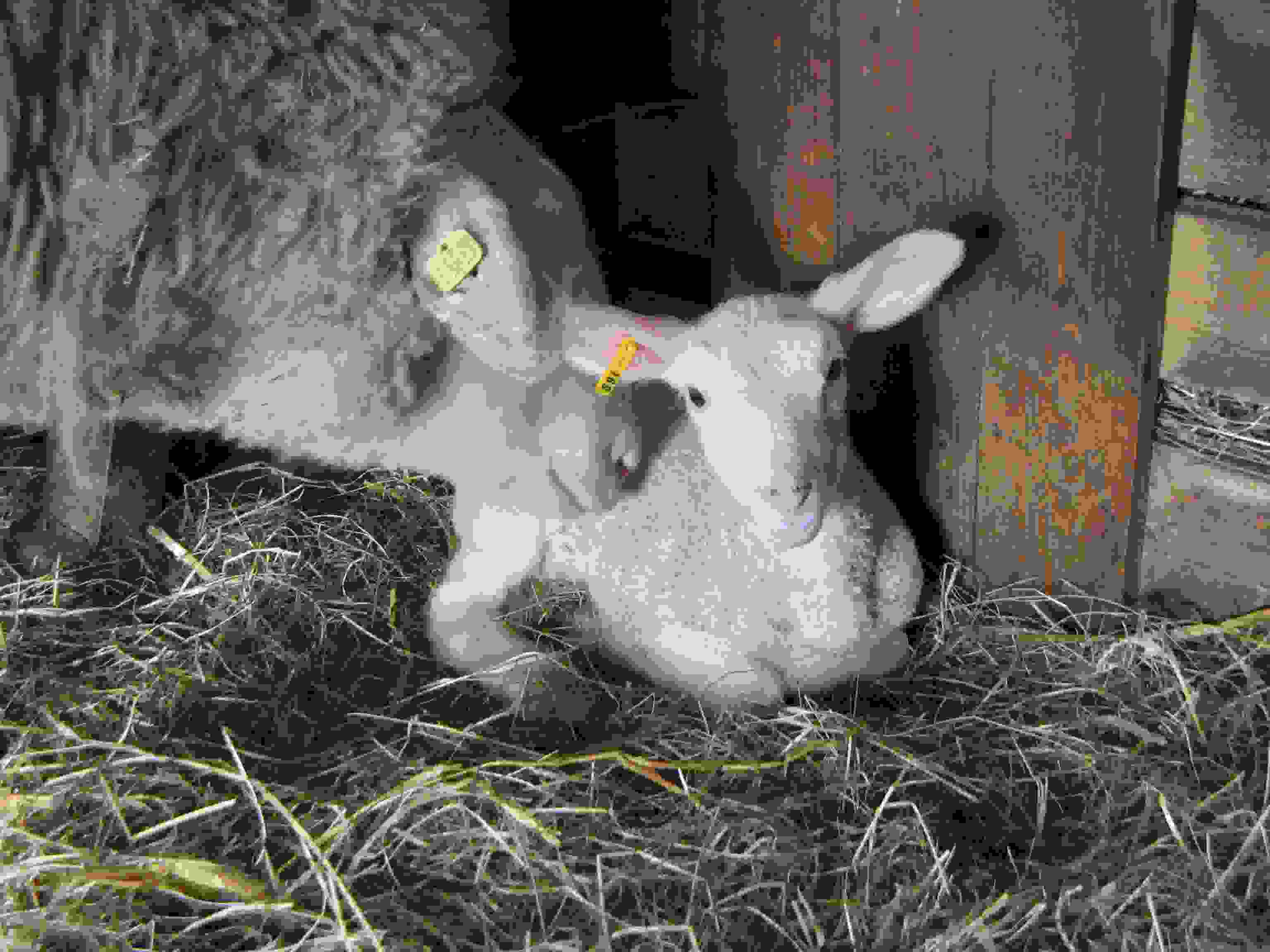
Life on the sheep farm is very busy right now. More and more lambs are getting born, which have to be fed and of course more sheep have to be milked. All the milk is now used for cheese production, as we are expecting many tourists during the Easter holidays. I am already looking forward to the first guided tours and cheese tastings on the sheep farm. And I am interested to find out about the reasons for tourists to visit a farm during their holidays. Right now we have a lot to do to manage all the preparations. I hope the weather will be better soon, so that at least the sheep can get out of the stable and into the fields…

March, 21st
Finally spring arrived in Northern Friesland; the snow melted and the grass is turning green. Early spring flowers are blossoming. Hopefully the sheep and lambs can be sent out to the fields soon. Many of the lambs are already big enough to survive without their mothers. So, now we can concentrate on cheese making and selling. During the Easter holidays the first visitors are expected. But some of the cheeses still need to ripe in the cellar; they will be ready in May, when the tourist season begins.

Romashki or a Life Less Ordinary, part 2

By Thomas Mcintyre

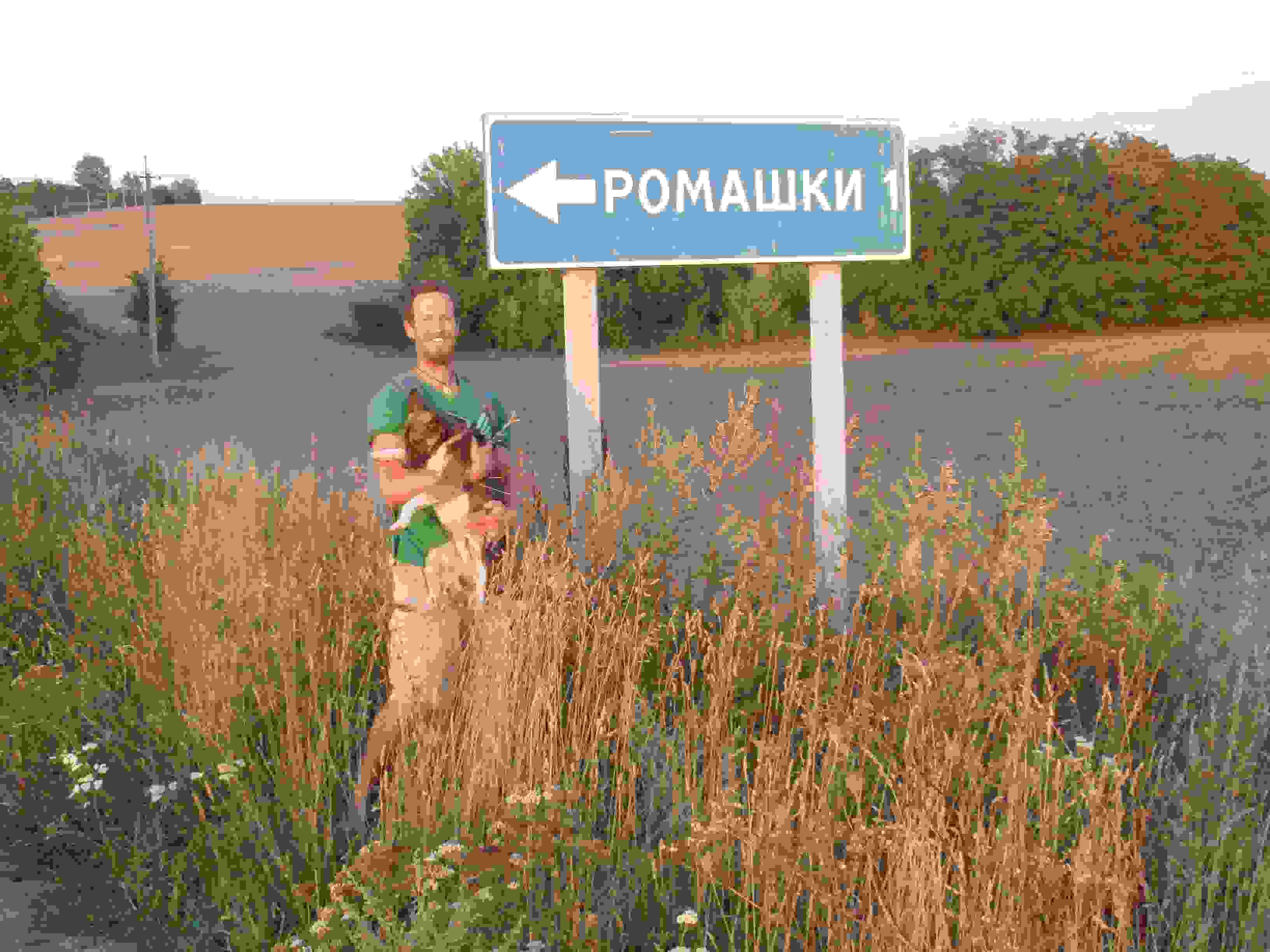
Once upon a time…Do you, my dear reader, believe it is possible to live in a fairytale? This may seem like a strange question on a rural sociology blog, and indeed it is. It is not a question I thought seriously about before, though I confess I have been predisposed to curling up on a chair in front of the fire and entering the world of fairytales through a book or through my imagination… but to live in one! This seems rather preposterous, and you would be forgiven for wondering what this has to do with serious anthropological research. But like any good research, setting out into the unknown has raised some strange questions I have had to stew on. If you answer a tentative yes to the opening question, as I am now inclined to do, then would you entertain the thought of writing a fairytale thesis? After all, if the reality you are studying is a fairytale, then would it not only be appropriate that the written representation of this reality should also be a fairytale? Now, I suppose you would like me to explain what I mean by living a fairytale and writing a fairytale thesis, especially its academic justification and application. But first things first: my arrival to Romashki.
Continue reading