Community gardens in urban areas – critical reflection on social cohesion & alternative food provisioning – PhD thesis by Esther Veen

Esther Veen - Community gardens in urban areasJune 15, 2015 at 1.30 pm Esther Veen will publicly defend her PhD-thesis ‘Community gardens in urban areas: A critical reflection on the extent to which they strengthen social cohesion and provide alternative food‘ in the Auditorium of Wageningen University. The defence ceremony will be streamed live by WURTV but can be viewed later as well. A hard copy of the thesis can be ordered by sending an email to esther.veen@wur.nl or a pdf can be downloaded from Wageningen Library (see link above).

This thesis shows that the different organisational set-ups of community gardens reflect gardeners’ different motivations for being involved in these gardens. The gardens studied in this thesis can be defined as either place-based or interest-based; gardens in the first category are focused on the social benefits of gardening, whereas gardens in the second category are focused on gardening and vegetables. Nevertheless, social effects occur in both types of gardens; in all of the gardens studied, participants meet and get to know others and value these contacts. Based on this finding, I conclude that community gardens do indeed enhance social cohesion.

Continue reading

Best practices in nutrition-sensitive landscapes, Zambia – MSc-thesis Minke Stadler

By Minke Stadler, MSc Organic Agriculture

Below a summary of my MSc-thesis Productivity in Nutrition-Sensitive Landscapes; 
Evaluating agricultural best practices, mindset and social values systems in Barotse floodplain, Zambia.

Best agricultural practices in Kapanda, Zambia

Best agricultural practices in Kapanda, Zambia

Nutrition-sensitive landscapes address the relationship between agriculture, nutrition and environment. Increasing farm productivity and diversification of nutritious food crops are key issues in agricultural development, as improved productivity and diversification provide opportunities to reduce poverty, food insecurity and malnutrition. Adoption of new practices is one, out of many, key issues to help improving food and nutrition security. Farmers’ mindsets and social values systems are therefore important, as people interact with their environment and decide what and how to farm.

Can development be taught?…  No. It can only be learnt. (Clapham, 1996)

The study was part of the CGIAR Research Programs on Aquatic Agricultural Systems (AAS) and Agriculture for Nutrition and Health (A4NH). The aim was to develop a better understanding of the mindset and socio-cultural aspects that influence the relations between nutritious food production and landscape, while studying successes. The underlying hypothesis is that: “Geographical location and position in the landscape results in different mindsets and values systems, which in turn influence agricultural practices and adoption strategies.” Continue reading

European farmers and agricultural practices

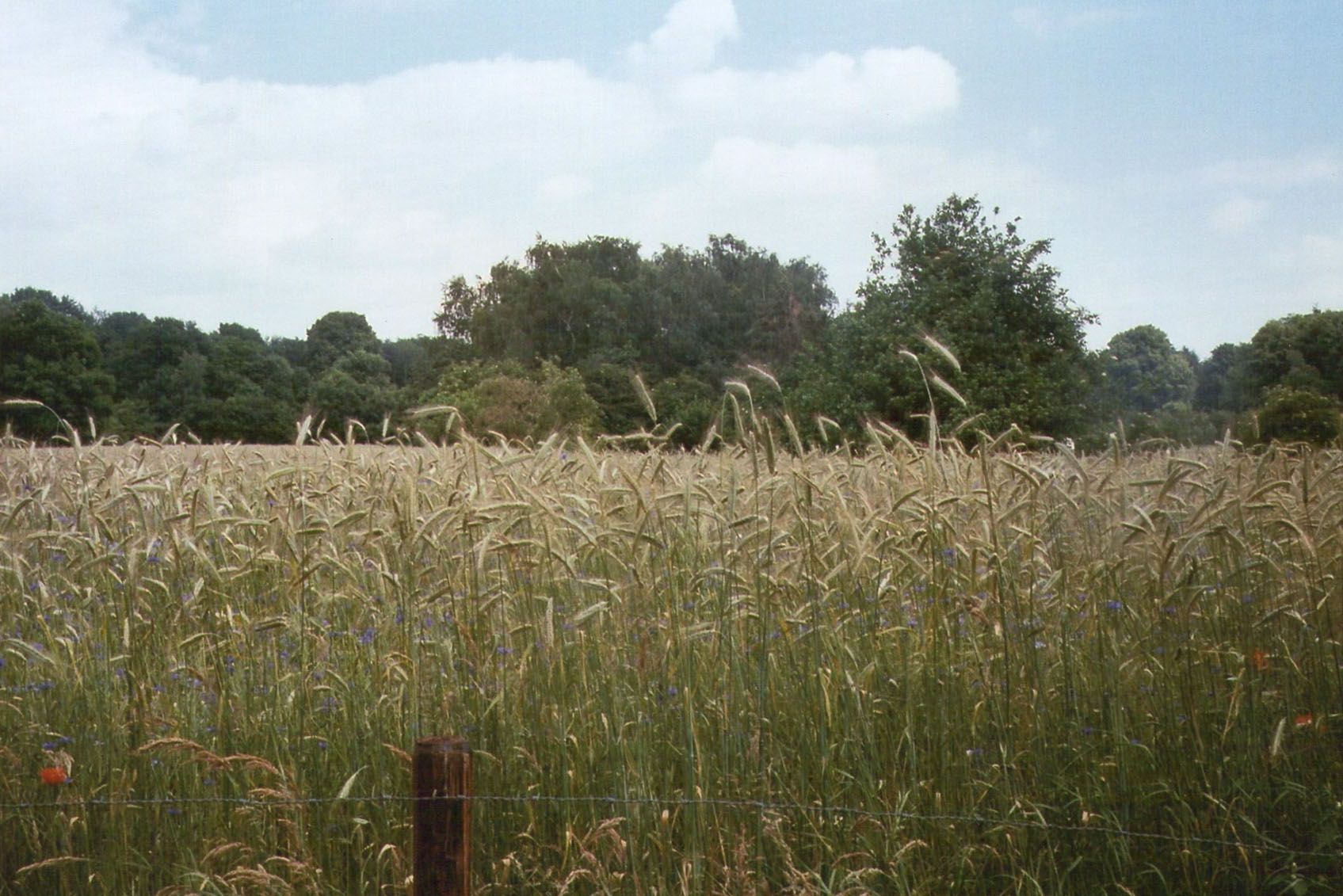
Barley field Critical Discourse Analysis of the Common Agricultural Policy on the ‘Payment for agricultural practices beneficial for the environment and the climate’

Thesis for the International Development programme – Rural Sociology – Wageningen UR

By Alberto Serra

The world population increases, the world food production increases but the number of farmers declines. Although agricultural production increased (United Nation 2014) in the last decade three million farms disappeared in Europe (La Via Campesina 2013). Farmers are facing many challenges and threats. Nowadays they have to deal with market price fluctuations, market competition, access to capital and technology and high difficulties in the intergenerational succession of farming activities (Davidova and Thomson 2014).

In contrast, large scale farmers are able to cope better with such stresses, nevertheless contributing to reduce the competiveness among farmers, due to their production capacity and better access to capital (Evans 2014). Technological and policy choices by large producers and landholders fuelled the growth of inequality in rural areas contributing to squeezing out small farms (van der Ploeg 2006; De Schutter 2014). According to the 2014 State of Agriculture 1% of farmers control 65% of all agricultural land (FAO 2014). Although many small farmers keep on struggling to survive, Europe became in last decades one of the leading power in agricultural trade (Fritz 2011).

Continue reading

Eco Intensive Agriculture Conference proceedings

The proceedings of the Eco Intensive Agriculture Conference are available at the website of the Netherlands Institute of Ecology (NIOO-KNAW). Rural Sociology was represented by our chair prof. Han Wiskerke and Jessica Duncan (Food Governance).

Jessica Duncan’s Pecha Kucha (a presentation of 6:20 with a series of 20 slides that change every 20 seconds) was called ‘Governing the Doughnut: the role of scientists in transformations towards sustainable food systems‘, watch the video above.

Han Wiskerke was one of the six key note speakers, presenting ‘Eco-intensive agriculture and the provision of public goods‘. All six key note speakers were asked to make short statements on four questions and this was recorded. These short video are also available at the NIOO website. Below the answer to question 4: What step is needed now?