II Festival de Expresiones Urbanas y Rurales: Diálogo por la Diversidad y Buen Vivir, Bucaramanga, Colombia

Last weekend (18-20 of November 2011), I was able to participate in the II Festival for urban-rural dialogue in the barrio La Joya in Bucaramanga, Colombia. The festival was visited by peasants (such as fishers, women groups, and farmers), indigenous groups as well as knowledge brokers from all over Colombia, Costa Rica, Venezuela and Cuba. In addition, urban citizens from Bucaramanga, and La Joya in particularly, participated in the event. This mix of participants created a valuable learning environment for everyone (including me), and resulted in new ideas and organisations amongst the participants. In a way, this festival reminded me of the rural cafés I visited in the Westerkwartier, the Netherlands.

The overall theme of the event was the environmental conflicts in rural Colombia resulting on the one hand from the numerous (and often multinational) economic exploitation activities (e.g. gold mining, hydroelectric power activities and monoculture) and on the other hand from conservation activities.
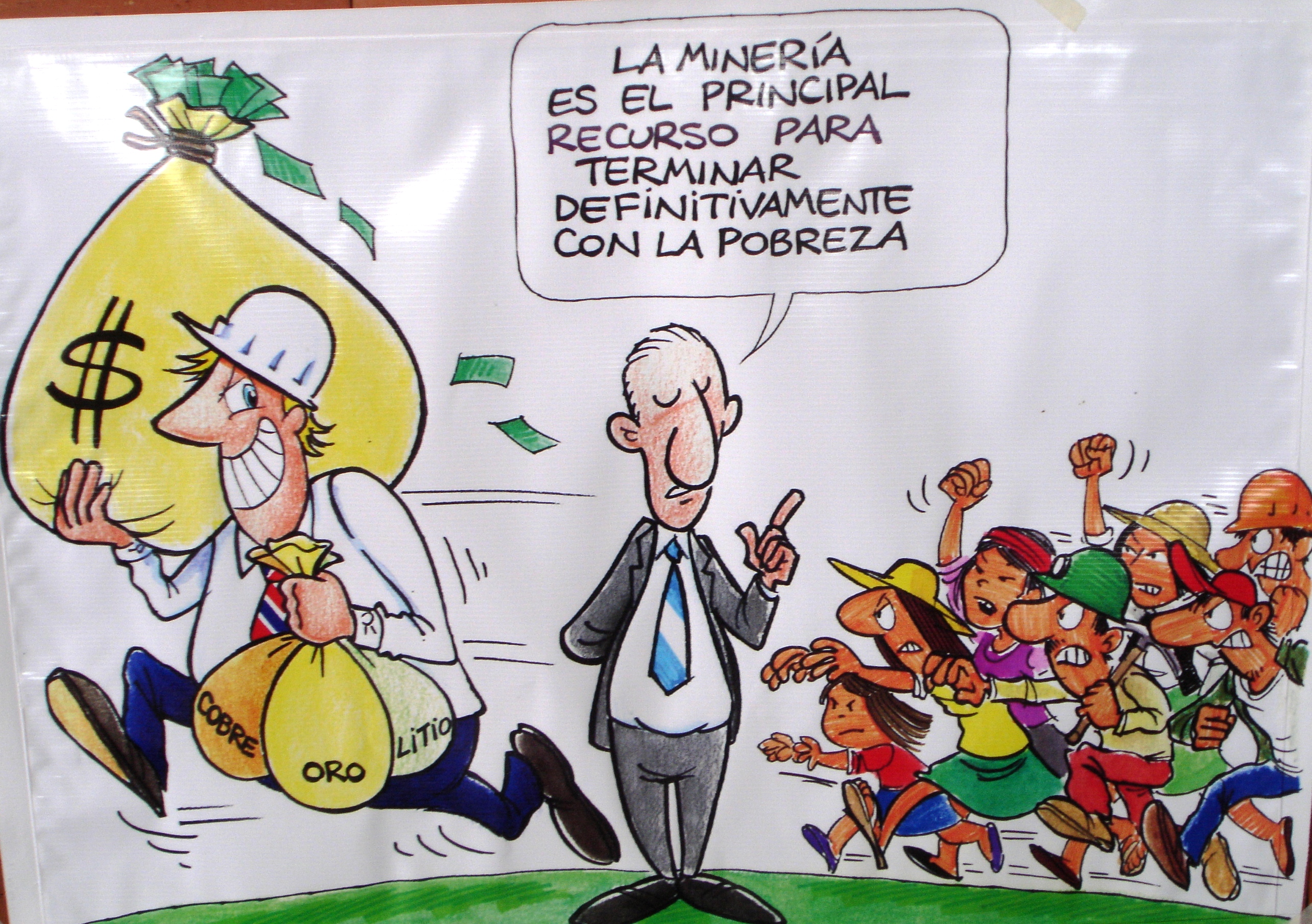
Poster presented at festival
Continue reading

Urban Ag and Revolution

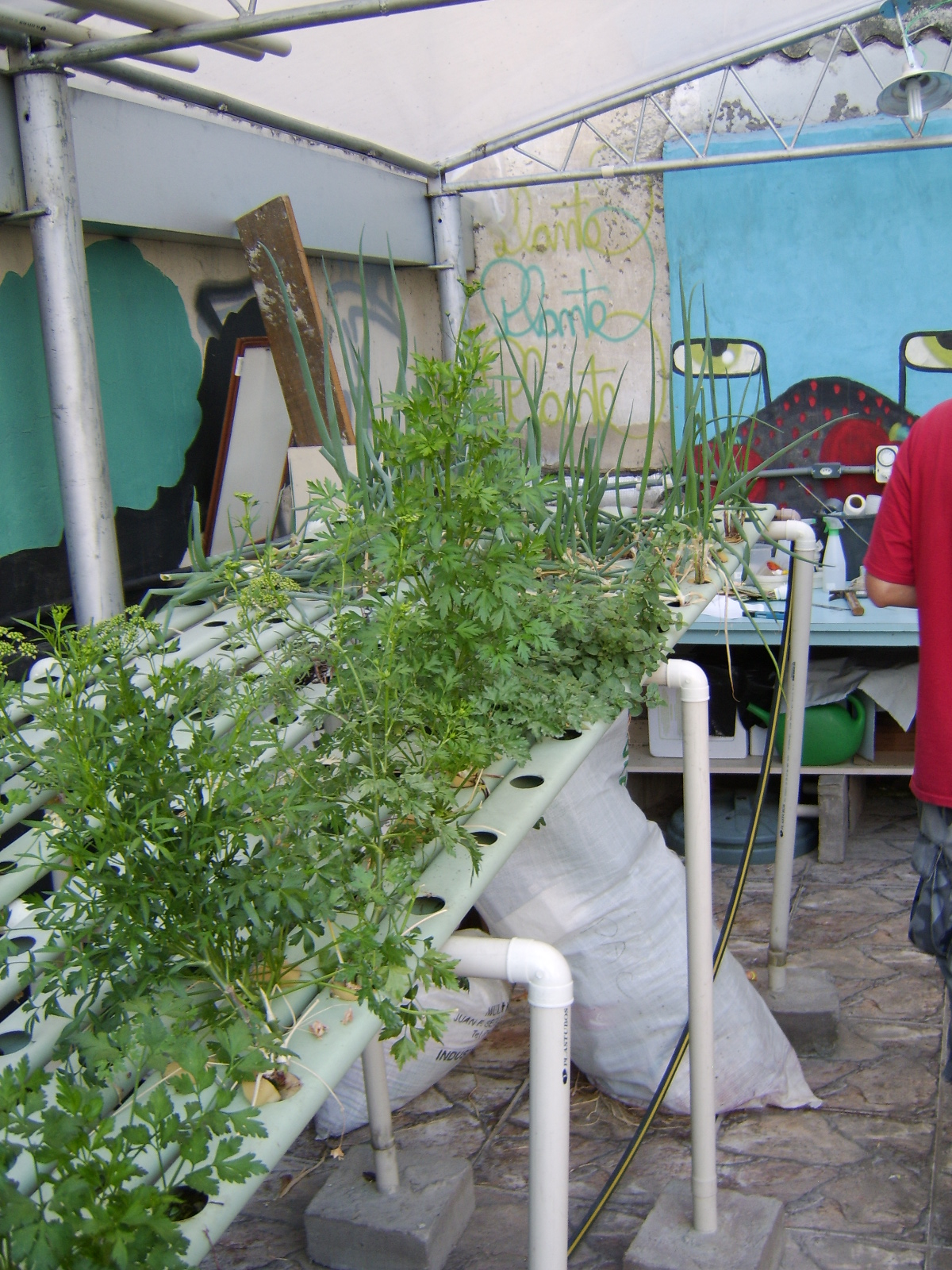
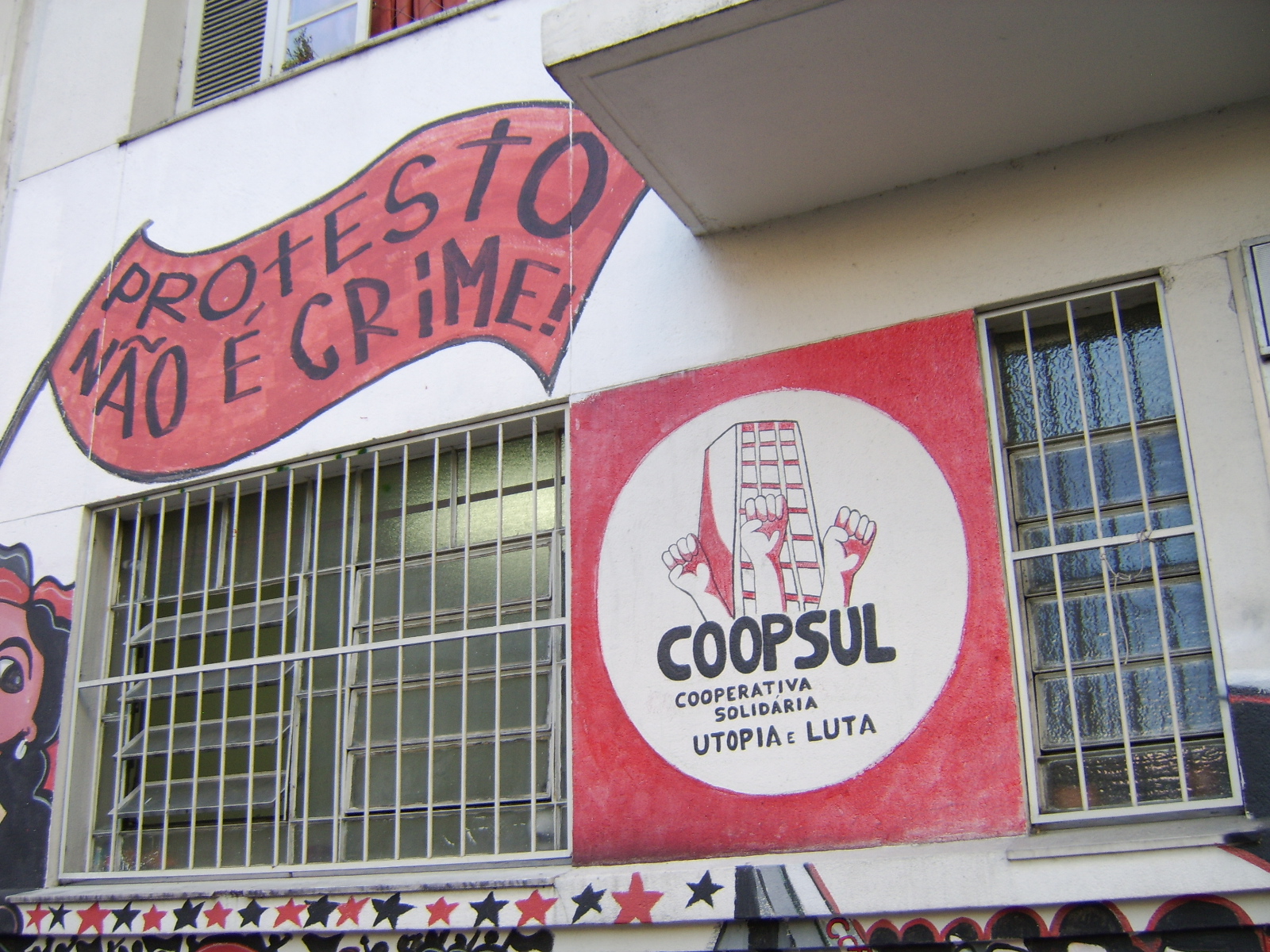
They claim to be the only example of rooftop farming in Porto Alegre. Hence, a revolutionary example in many ways. A student of last week’s class kindly offered to showed me around in Porto Alegre including unusual places such as the movement-community-cooperative COOPSUL. Right in the middle of the centre a building was squatted in 2005 related to the World Social Forum marches. The building was long-term abandoned and the movement of (somehow translated) ‘roofless’ people, the urban counterpart of the MST, asked with the squatting for the right to good housing. Their slogan; ‘Utopia e Luta’ which means Utopia and Struggle/Fight.

Against the odds, their fight was productive and they were given the right to stay in the building in 2007 under the condition that it would be a community place, open for the public. The building was turned into 42 individual apartments and community spaces for 5 separate cooperative economic activities; baking, gardening, sewing, laundry services and t-shirt printing. With the years, reality hit utopia from the inside. Tensions around individual needs and collective organisation, around leadership and running the cooperative emerged. It was originally envisaged that the people who were selected for the individual apartments would also work in the cooperative activities. This turned out to be difficult for various reasons. As a result, the 5 activities are not all running in the way it was envisaged and the rooftop farm is still very much in construction and produces for the building only.

Despite internal difficulties, the successful access to living space by squatting is still charged with a lot of symbolic energy. The movement and the building became a symbol for other urban groups and movements and the organisation is asked to assist in demonstrations and other revolutionary activities. For example today, they went out to assist MST land occupation demonstration in the face of evacuation.

Porto Alegre’s 22 year old farmers’ market

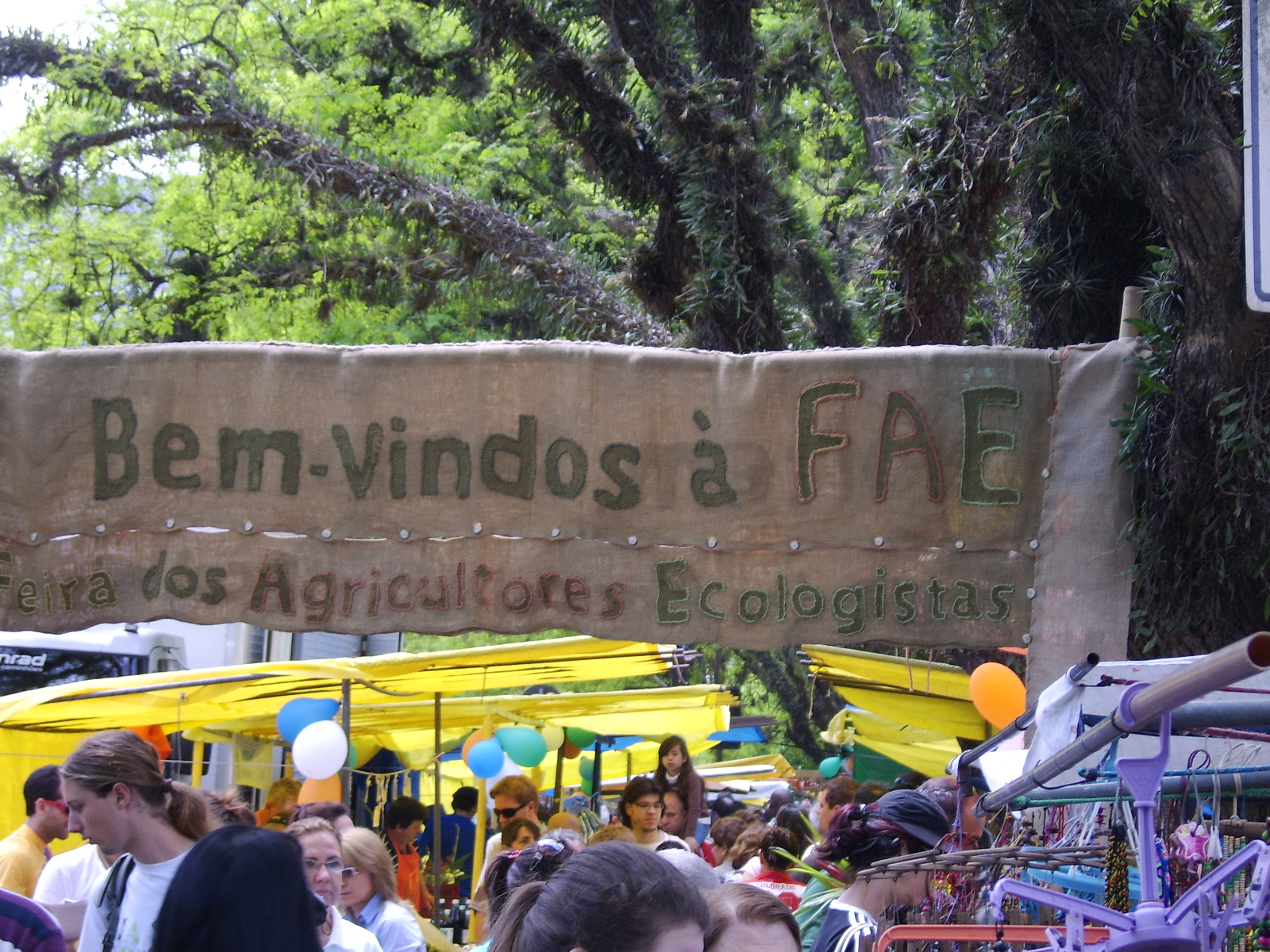
On the saturday of my arrival in Porto Alegre, the “Feira dos Agricultores Ecologistas” was celebrating its twenty-second birthday. The market is situated at the border of the big Parque Farroupilha Redenção in the city centre and is at least a kilometer long. Back then, the market started with a group of citizens in Porto Alegre in search for healthier food both for the environment and for human health. The environment was not something which was considered a ‘political’ issue at the time of the ‘dictatura’. The environment therefore, was a topic for groups to come together and of course, discuss politics more broadly. More than twenty years ago, an environmentalist consumer cooperative  was established which organised a wide network of farmers willing to produce differently which was back then, more of an activist- against mainstream – thing to do than today. The farmers called themselves ‘agricultores ecologistas’, which refers to this activism. They consider themselves different from the broader movement towards organic production which evolved later. The subtle difference between their name and terms like ‘organico’ or other terms such as ‘agro-ecologia’ can easily be missed by a visitor.

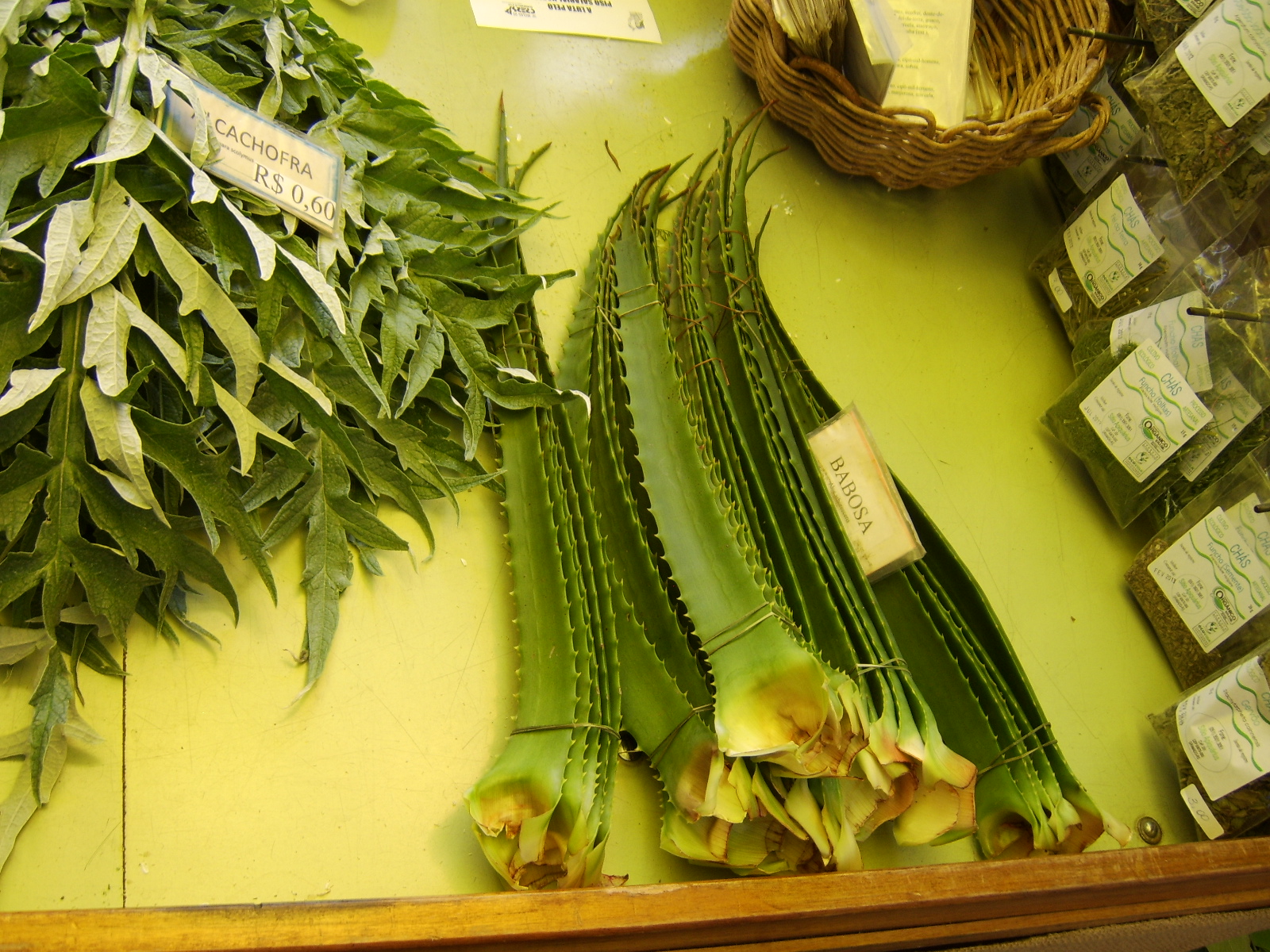
However, these things were explained to me by Flávia Marques with whom I went there and who is one of the professors at the Post graduate program for rural development (PGDR) and who has worked with various of the farmers for years. One of the farmers on the market is specialised in plants for medicinal uses, the topic of her doctorate thesis. Further down the market there was also an empty stand with an elderly woman sitting behind it. Here people can get free advice on ailments also from a natural medicinal or holistic point of view. This week, at the two farm visits near Pelotas, both farmers had an extensive garden with herbs for medicinal use near the house. Also the municipal garden in Dois Irmãos had an herbal garden organised around the various human organs. It is one of the many striking differences compared to home for me. I learned that knowledge of the beneficial use of herbs is widespread and is not limited to organic farmers or ecologically oriented consumers.

AFNs in Pelotas, Brasil

This week I am visiting the city of Pelotas, some 250 kilometers from Porto Alegre. As one of the three in the whole of Brasil, the Universidade Federal de Pelotas has a specialised Bachelor degree in anthropology. Today I will give a guest lecture within the course on food culture of Professor Renate Menasche on the link between Alternative Food Networks and food culture. Last week in the course for the PGDR in Porto Alegre, many students believed there are no AFNs in Brasil and that consumers are not willing to make an effort to engage with farmers. However, on our fieldtrip of yesterday we saw two very interesting examples of innovative farmers around Pelotas who produce differently ánd who market their produce differently.

Enio Nilo Schiavon took the time to lead us around his farm where he combines agro-forestry and agro-ecology practices in producing organic peaches, grapes, clementines, banana, sweet corn, broccoli, carrots, beets, fish and flowers and home-made juices. His production is organic but not organically certified, something which for smaller farmers is very normal; organic certification is too expensive. However, there are various ways to market organic produce without the official farm certification. For example by being part of a cooperative which has the certification and through this, the farm is also recognised as such. Or by building a trust relationship directly with consumers by way of selling on a farmers’ market. The latter is what Enio Nilo does, two times a week in two cities in this region. The farmers’ market are an initiative of the farmers themselves and are organised through their association ARPA-SUL. They are with 27  farmers, each offering other complementary products. Interestingly, they not only sell to the middle-class urban consumer, but also to many other small farmers in the region who are themselves tobacco growers.

Vacture PhD Sociologie bij ILVO (Vlaanderen)

Het Instituut voor Landbouw- en Visserijonderzoek (ILVO) in Vlaanderen heeft een vacature voor een PhD (Rurale) Sociologie. Zie de website van ILVO voor nadere toelichting van de vacature. Contact persoon bij ILVO is Joost Dessein (joost.dessein@ilvo.vlaanderen.be).