Looking back, Looking Forward: Setting a future agenda for rural sociology

We are proud to announce our upcoming seminar series ‘Looking back, Looking Forward: Setting a future agenda for rural sociology’ as part of the 75th anniversary celebration of Rural Sociology. We will kick off the series in February and continue throughout 2021, leading up to our grand anniversary celebration on the 24th of September. Continue reading
75th Anniversary: 12) Engaging in Agri-Environmental Cooperativism

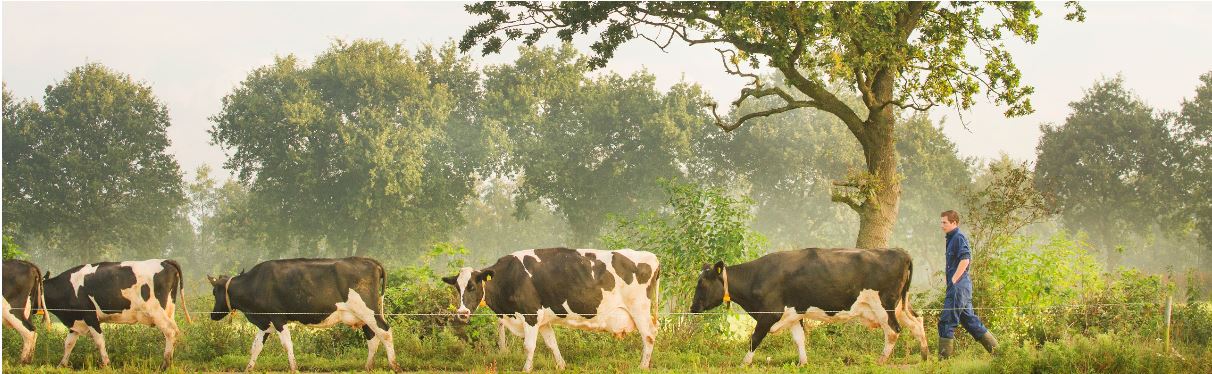
The Netherlands witnessed in the 1990s the emergence of novel expressions of collective action among farmers. Building upon a rich tradition of agricultural cooperativism as well as outcomes of regional farming style research (see blog 10), these novel forms of collective action aimed initially especially for more farmer-friendly agri-environmental and nature policy measures. Continue reading

75th Anniversary: 11) Notes from the field: Agricultural Development in Rojava and Resistance of the Third Kind

Women’s cooperative farm in Rojava (2015)

Introduction

In one of our previous blogs we discussed Van der Ploeg’s concept resistance of the Third Kind (see Anniversary Blog 7). This was defined as a resistance which resides in working practices and farmers’ fields and is expressed in the way that cows are bred, how manure is made, products are delivered. In short, it is a resistance which intervenes in and reorganizes production, reproduction and markets (Van der Ploeg 2007). In this blog, the reconstruction of Kobanî is discussed a resistance of the third kind. Continue reading

75th Anniversary: 10) Rediscovery of Farming Styles

Farming styles refer to a cultural repertoire, a composite of normative and strategic ideas about how farming should be done. The notion goes back to early work of Hofstee, the founding father of the Rural Sociology Group, initially by focussing on the cultural backgrounds of inter-regional differences in farmers’ uptake the agricultural modernisation logics. Late 1980s the notions re-appears, changing the focal point to intra-regional significance of differentiating farmers’ responses in relation to the various sustainability problems that characterize these same modernisation logics.

Continue reading

75th Anniversary: 9) De Toga: overleefde hiërarchie of dalend cultuurgoed

Professor Kooij met toga, bef en baret

Parallel aan de democratisering van de universiteit in de jaren zestig en zeventig, met de voor die tijd kenmerkende opkomst van vakgroepsbestuur, in plaats van de almachtige hoogleraar, en inspraak door studenten, kwam ook universiteitssymboliek onder vuur te liggen. Een van die symbolen was de toga, het kenmerkende gewaad dat de hoogleraar draagt bij plechtigheden. De sociologen Gerrit Kooij en Rien Munters openden de discussie over het aan de wilgen hangen van de toga. Continue reading