Stichting Natuur en Milieu is een campagne gestart om een aantal, zoals SNM zegt, hardnekkige landbouwmythen door te prikken. Deze staan de verduurzaming van de landbouw en voedselproductie in Nederland in de weg. Op de website licht SNM dit als volgt toe:
Een groot deel van de bevolking wil een landbouw die gezond en duurzaam voedsel produceert. Om dit te bereiken zal de landbouwsector de komende jaren flink aan de slag moeten. Politieke leiders en landbouwvoormannen verschuilen zich te vaak achter hardnekkige mythen om verduurzaming tegen te gaan.
Natuur en Milieu wil dat de discussie over landbouw en voedselproductie gevoerd wordt op basis van feiten en wil deze mythen doorprikken.
Vijf van die hardnekkige mythen wordt door SNM alvast ontzenuwd in de brochure ‘Wat een boer niet kent‘, zijnde:
- De Nederlandse landbouw is een motor van de economie.
- Nederland is medeverantwoordelijk voor de voedselvoorziening van de wereld
- Boeren zijn overbelast en moeten al aan zoveel regels voldoen
- Boeren onderhouden juist het landschap
- De Nederlandse landbouw produceert milieu- en diervriendelijker dan elders
Dit moet een debat uitlokken over een hoger doel: het verduurzamen van de landbouw in Nederland. In de brochure ‘Schoon, eerlijk en waardevol‘ wordt de visie van SNM verwoord, dat als volgt wordt samengevat:
Kortom: de landbouw produceert duurzaam, draagt bij aan een gezonde en mooie leefomgeving, draagt niet bij aan het klimaatprobleem, werkt met gesloten kringlopen, stoot geen schadelijke emissies uit, schaadt het milieu en de natuur niet en houdt rekening met dierenwelzijn.
SNM pleit niet alleen voor een radicale transformatie, ze onderstrepen hier met allerlei partijen aan te willen werken. De vraag is welke partijen de handschoen opnemen en met SNM willen samenwerken.

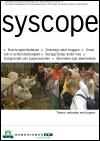 Er zijn steeds meer initiatieven om ‘boeren en burgers’ weer met elkaar in contact te brengen, maar dat blijkt nog niet zo eenvoudig. De laatste editie van syscope gaat dan ook over ‘Verbinding met burgers’, waarin allerlei projecten (uitgevoerd in opdracht van het ministerie van LNV) staan beschreven die hier op een of andere wijze bijdragen aan ‘verbinding’ met de maatschappij.
 Imagine if you can a little village surrounded by forests beside a little lake. Squirrels play in trees amongst the woodpeckers, frogs play hide and seek with the cranes in the lake, and when the sun has set, the wild pigs come out to sniff and dig around the fields and gardens in the village, curious as ever as to see what is new.

