IFSA 2012 workshop ‘The meaning of semi-subsistence farming in different cultural contexts’

Together with Imre Kovach and Catherine Darrot,  I will be hosting a workshop at the IFSA symposium in Aarhus, Denmark from the 1st of July until the 4th of July 2012.

The workshop is aimed at exploring the multiple meanings of semi-subsistent food production strategies in different cultural context. Two questions are at the centre of attention: 1) How has the meaning of semi-subsistent food production changed over time for producers, society and institutions? and 2) What recommendations can be derived from the research for policy makers of multi-state institutions (e.g. EU?). We invite researchers from diverse countries to present their empirical research in order to stimulate a fruitful discussion and knowledge exchange.

The deadline for submitting abstracts is the 31st of December 2011.  More information and a link to submitting your abstract can be found here. I hope to see you there!

Conference ‘Agriculture in an Urbanizing Society’ – call for abstracts (reminder)

From 1 – 4 April 2012 a conference entitled ‘Agriculture in an Urbanizing Society: International Conference on Multifunctional Agriculture and Urban-Rural Relations‘ will take place in Wageningen. Some time ago a call for abstracts was launched. This is to inform or remind you that the deadline for submitting abstracts is 20 December 2011. Abstracts can be submitted by email to the coordinating convenor of a working group (call for abstracts for all WGs can be accessed through this link). The following working groups have been approved by the Scientific Programme Committee:

  • WG1 Green care
  • WG2 Agri tourism: Critcal Perspectives on Dilemmas and Opportunities
  • WG3 Exploring ‘civic food networks’ and their role in enabling sustainable urban food systems
  • WG4 Rural education   
  • WG5 Environmental services
  • WG6 Economic impact at the farm level
  • WG7 Business models; farm enterprise development models
  • WG8 Entrepreneurial skills and competences: challenges and opportunities
  • WG9 Learning for innovation – new challenges in an urbanizing world
  • WG10 Regional branding; the socio-economic impact at the regional level
  • WG11 Urban, peri-urban and regional planning
  • WG12 Land-use transformations
  • WG13 What are the challenges of future urban agriculture?
  • WG14 Public food procurement
  • WG15 Consumers, multifunctional agriculture and urban dynamics
  • WG16 Multifunctionality, rural policy and governance
  • WG17 Social exclusion and poverty in rural areas
  • WG18 Migration and mobility
  • WG19 Transition approaches
  • WG20 Multifunctional agriculture as a coupled human-natural system

Intensive programme for Wageningen students

Are you a student of Wageningen University and interested in food? Then, you might be eligible for a new Intensive Programme in which the Rural Sociology Group participates. During two intensive weeks in Cluj (Rumania) you will be introduced to traditional foods in a multidisciplinary setting. Students and lecturers from various European countries (France, Greece, Denmark, Ireland, Italy, Rumania, Belgium, Slovenia, Poland) will discuss in an inspiring setting the relationship between microorganisms and traditional food; are they partners or competitors? The background of the students and staff varies from economy to food microbiology, geography, agro-forestry, food safety, animal product processing and of course rural sociology. For more information, please contact Els Hegger. Continue reading
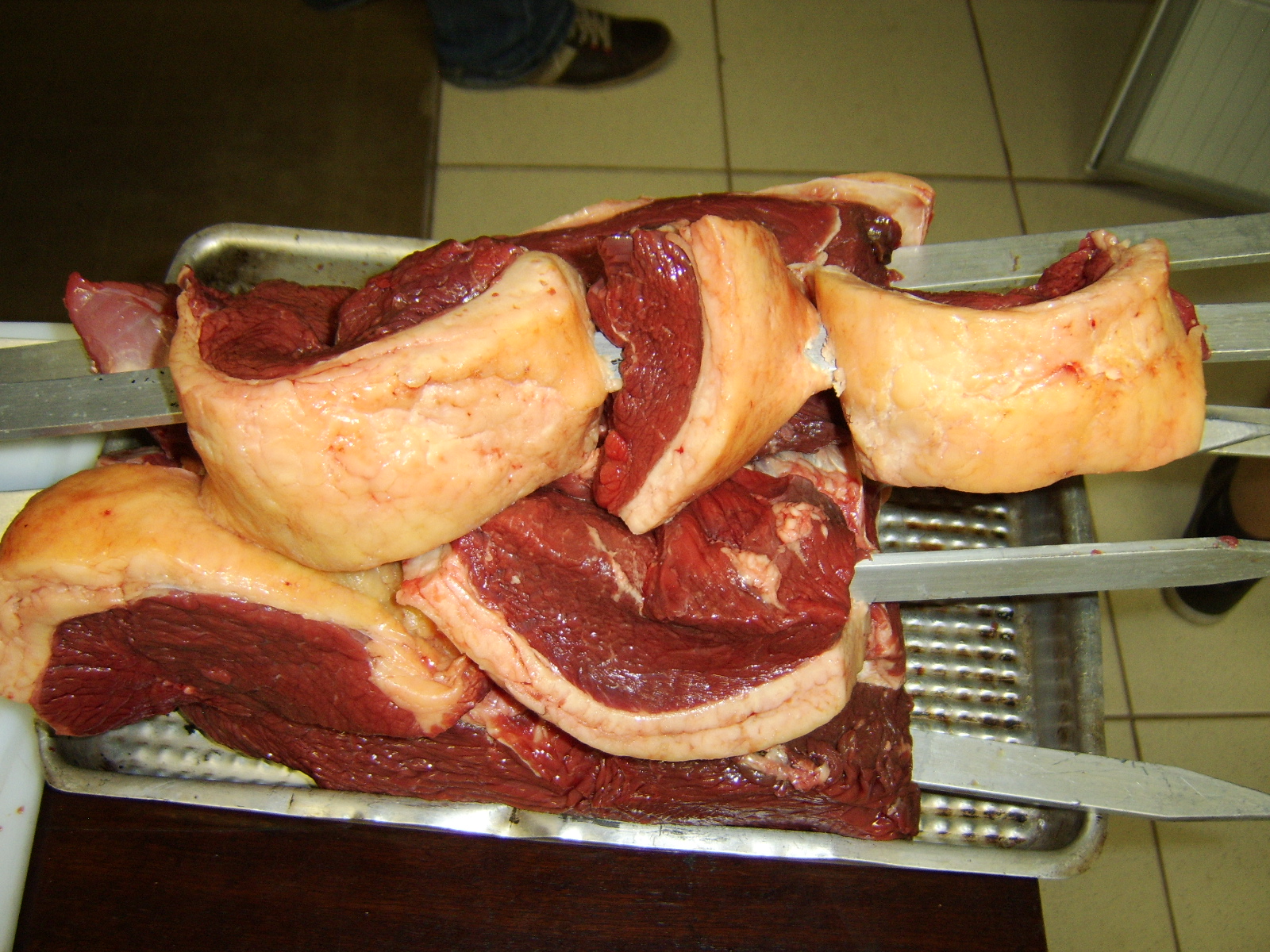
Churrasco

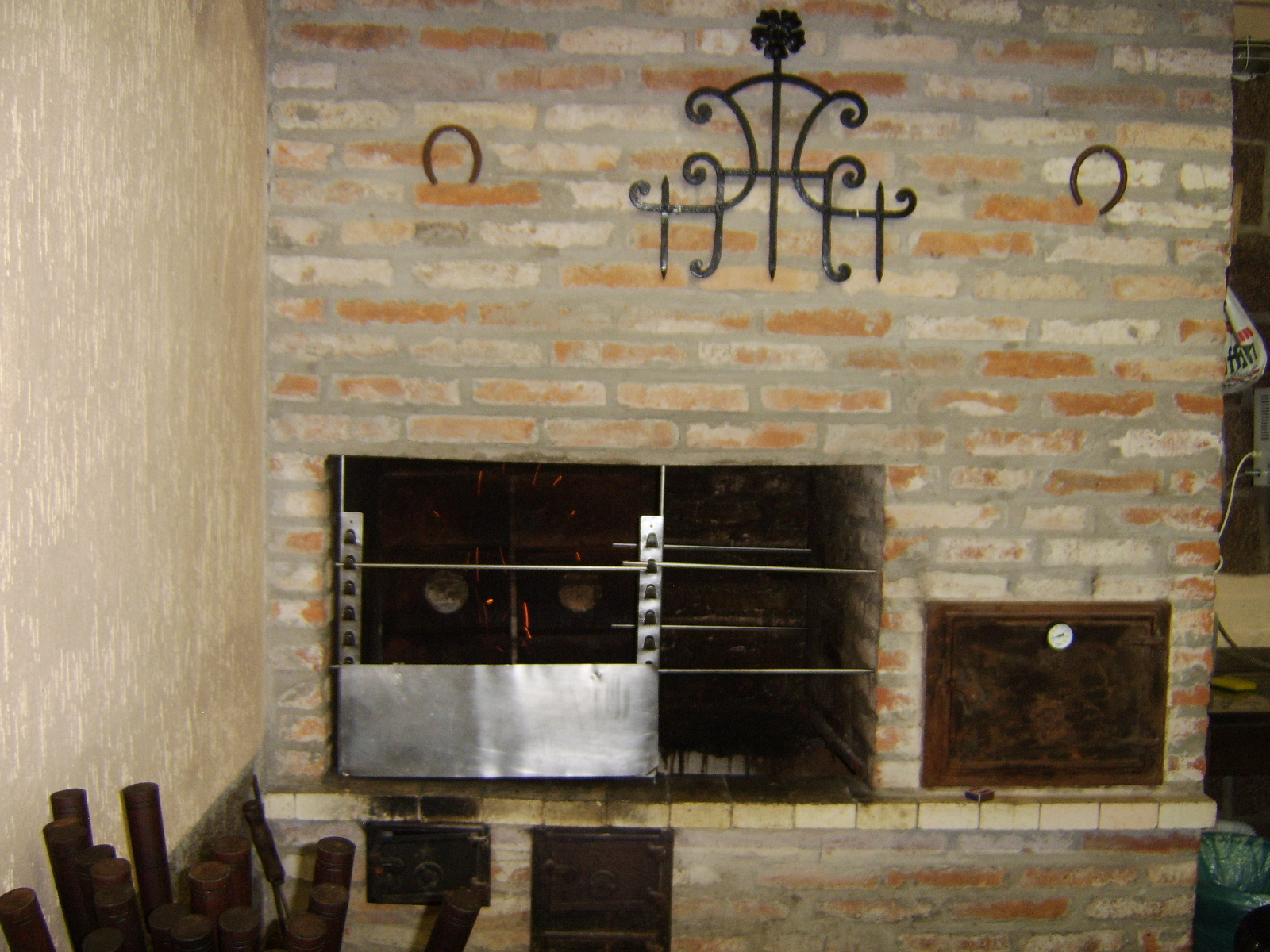
Meat. The most tender meat ever eaten. Here they distinguish between meat and chicken. Meat is red meat. This part of Brasil is known as Gaúcho country. It refers back to the only food that the first settlers were eating, meat for breakfast, lunch and diner. I always thought of the south of Argentina as the pampa land. But this landscape stretches well into Rio Grande do Sul. There is debate whether or not the Rio da Prata north of Buenos Aires is a division line, but those who do not take this consider all of Argentina, Uruguay and 63% of the state Rio Grande do Sul as “paisagem natural dos pampas”, some 700.000 km2. The Brasilian part is 178.243 km2 big and from a country perspective only 2 % of the Brasilian territory. However since it stretches over the most of this south state it is a significant landscape feature and cultural reference point here. In a way the southerners here have more in common with the “hermanos pampeanos do Uruguai e da Argentina” than with the north of Brasil.

So, I had my ‘initiation’ as a gaúcha helping out with the churrasco, the Brasilian bbq. Of course, it is a typical men’s thing the preparation of the churrasco. Who is cutting the meat on sundays? There is not much else to it than meat, some toasted garlic bread and beer. But what a meat! Especially the “picanha” cut of meat, the most tender meat you can imagen. So all you need is wood fire or wood coals, first quality meat, salt and a typical bbq place. These places you can find everywhere, for example on the roof of every tall apartment building. Stick your nose out of the window on a sunday at noon and you can smell the churrasco’s in the whole city. It is typical for sunday family life or ‘occasions’ such as the end of my time here. Thanks all for the wonderful time!


Porto Alegre’s 22 year old farmers’ market

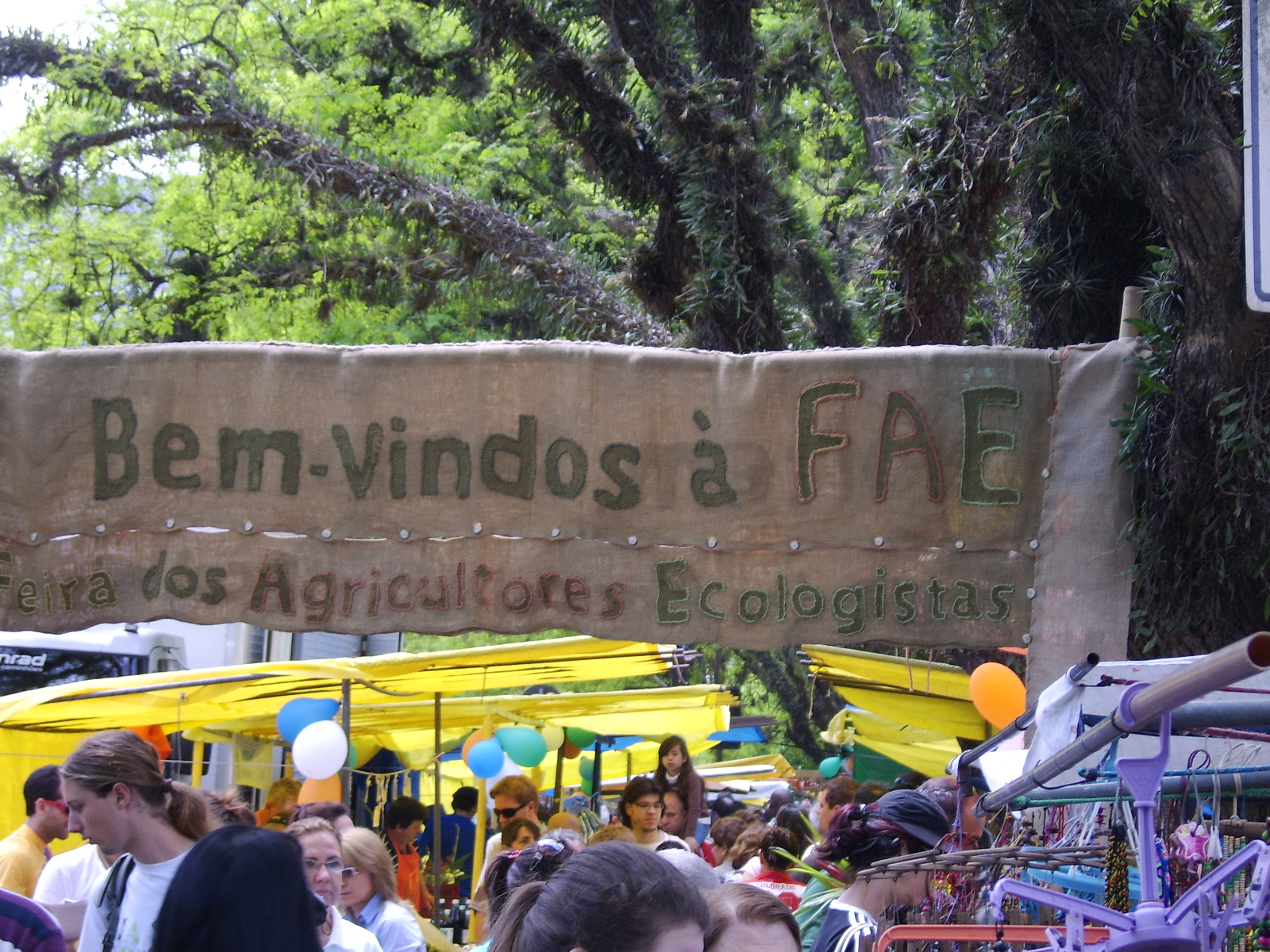
On the saturday of my arrival in Porto Alegre, the “Feira dos Agricultores Ecologistas” was celebrating its twenty-second birthday. The market is situated at the border of the big Parque Farroupilha Redenção in the city centre and is at least a kilometer long. Back then, the market started with a group of citizens in Porto Alegre in search for healthier food both for the environment and for human health. The environment was not something which was considered a ‘political’ issue at the time of the ‘dictatura’. The environment therefore, was a topic for groups to come together and of course, discuss politics more broadly. More than twenty years ago, an environmentalist consumer cooperative  was established which organised a wide network of farmers willing to produce differently which was back then, more of an activist- against mainstream – thing to do than today. The farmers called themselves ‘agricultores ecologistas’, which refers to this activism. They consider themselves different from the broader movement towards organic production which evolved later. The subtle difference between their name and terms like ‘organico’ or other terms such as ‘agro-ecologia’ can easily be missed by a visitor.

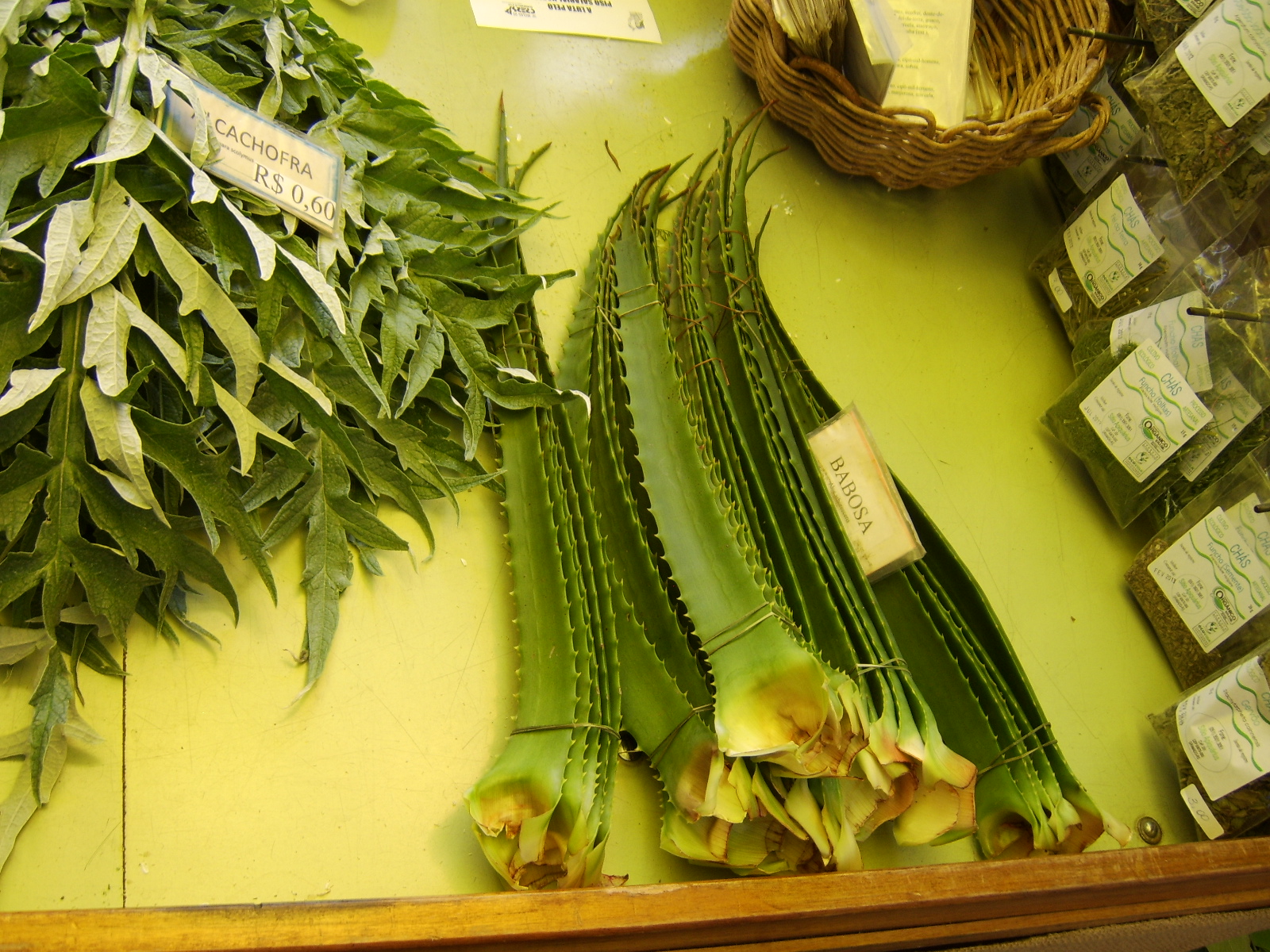
However, these things were explained to me by Flávia Marques with whom I went there and who is one of the professors at the Post graduate program for rural development (PGDR) and who has worked with various of the farmers for years. One of the farmers on the market is specialised in plants for medicinal uses, the topic of her doctorate thesis. Further down the market there was also an empty stand with an elderly woman sitting behind it. Here people can get free advice on ailments also from a natural medicinal or holistic point of view. This week, at the two farm visits near Pelotas, both farmers had an extensive garden with herbs for medicinal use near the house. Also the municipal garden in Dois Irmãos had an herbal garden organised around the various human organs. It is one of the many striking differences compared to home for me. I learned that knowledge of the beneficial use of herbs is widespread and is not limited to organic farmers or ecologically oriented consumers.