On the trail of regional learning in rural Colombia

Over the last two and a half years, we have been investigating arrangements to support regional learning in various rural areas across Europe (EU-project DERREG). This intense period of field work and data analysis has given me a first idea of just how complex this subject is, how diverse supportive arrangements can be, and how dependent their success is on the regional contexts in which they are implemented.

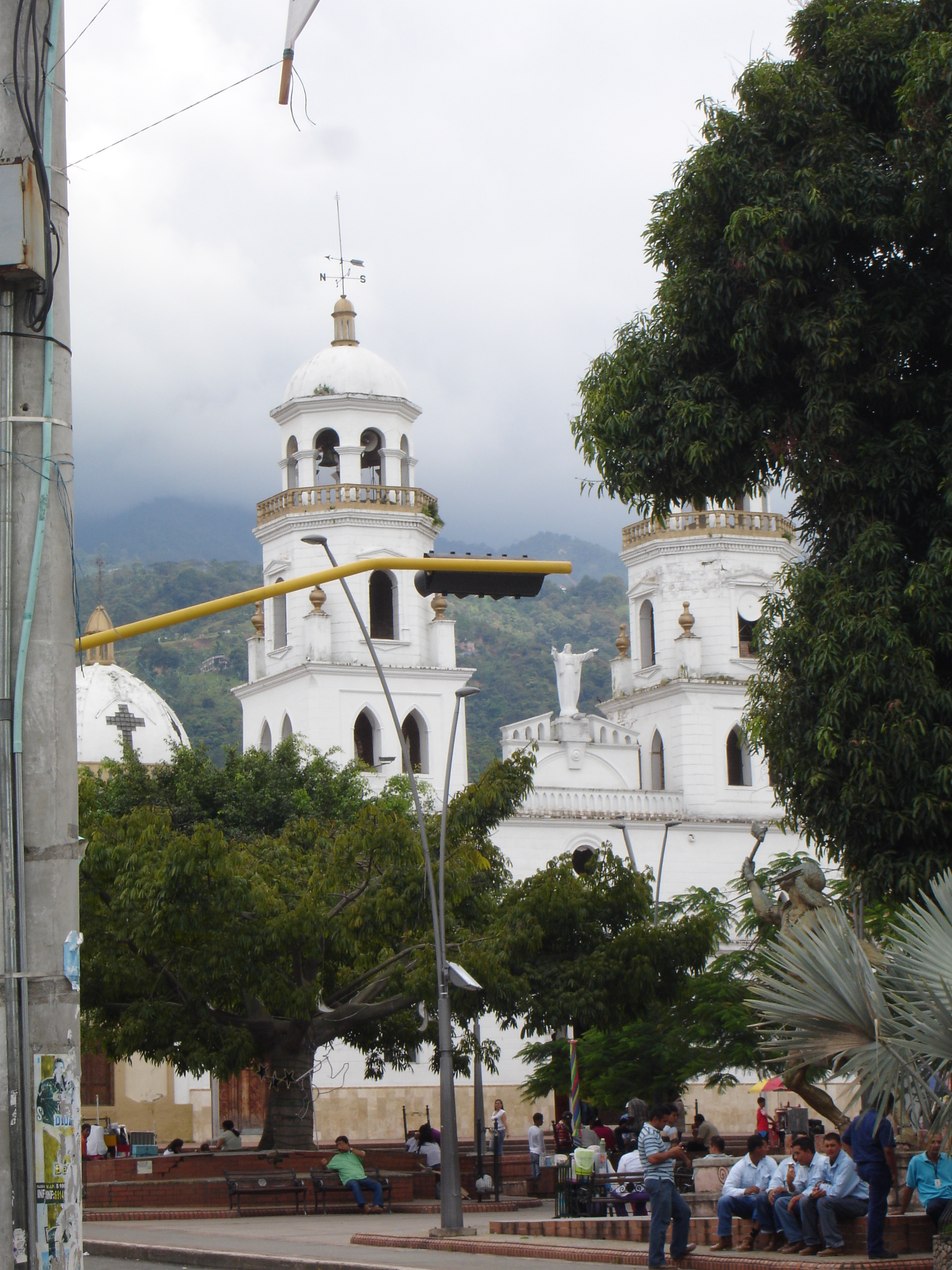
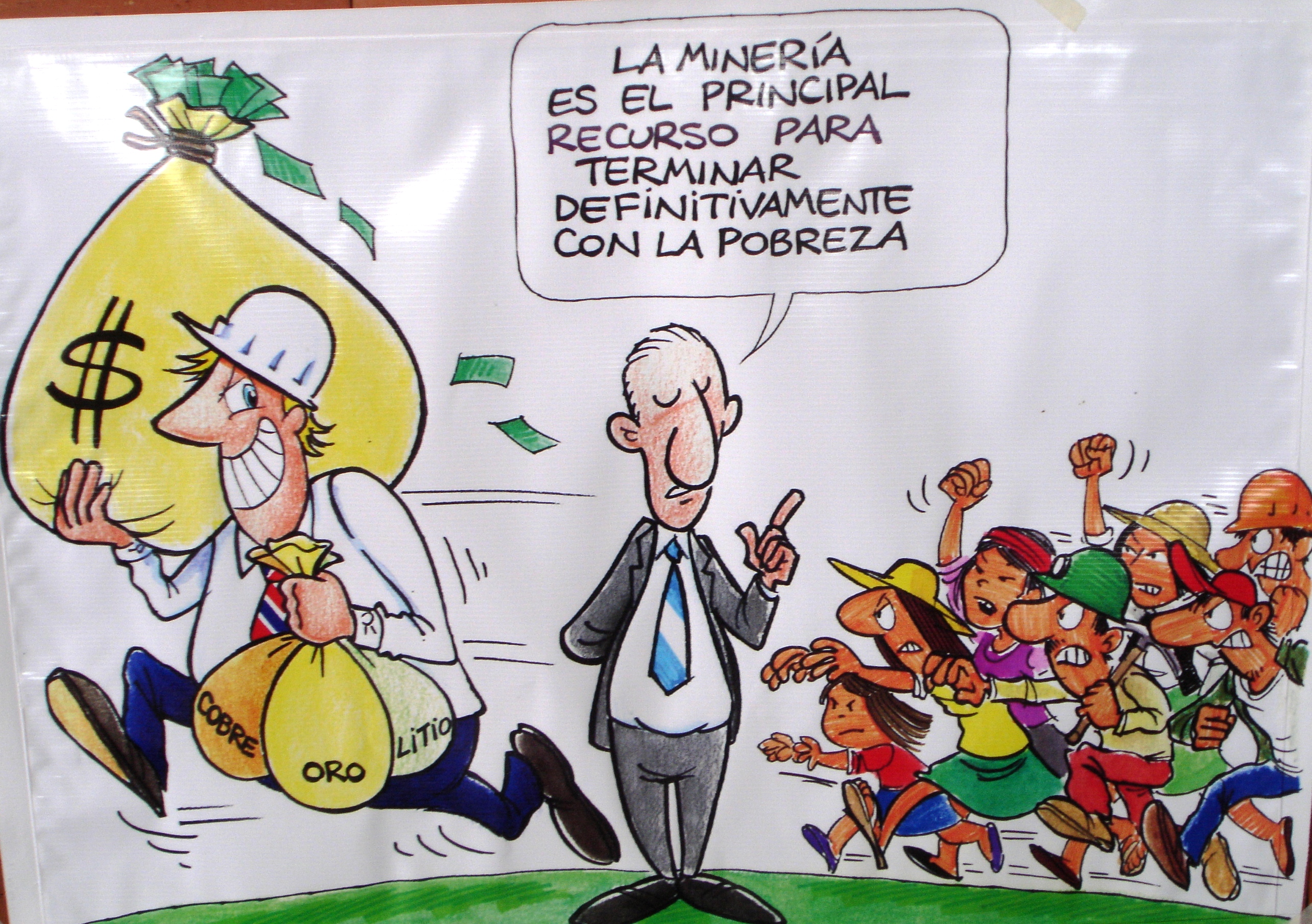
As if this complexity is not already enough to ponder about, my curiosity and interest in mutual learning for development has urged me to also investigate this topic outside the European Union. I was particularly interested in questioning how rural regional learning is supported in, what is commonly referred to as, “developing” countries. So, here I am in Colombia,

Downtown Bogotá, Colombia

Continue reading

Bruno Benvenuti – in memoriam

Bruno Benvenuti

 On the 15th of September 2011 we received the sad news that Bruno Benvenuti has passed away. For several of us working in the Rural Sociology Group, Bruno Benvenuti has been a professor who left a strong imprint on our academic formation and research work. Benvenuti enriched the body of rural sociological theory with his analysis of the Technological-Administrative Task Environment (TATE) within which farmers have to operate – an analysis that proves to be even more valuable today than at the moment it was formulated for the first time. 

For Benvenuti the interest in TATE relations and the way they ‘discipline’ farmers, whilst simultaneously standardizing farm practices, represented a wider concern, i.e. the general relations between structure and agency. This wider interest resulted in a range of scientific papers, some still very well known. The same interest reflected, on its turn, part of the complex biography of Benvenuti. After the horrors of war and fascism (being an adolescent he lost his father during a bombardment after which he had to take care of the family) he met, as angry young man who was extremely worried about the agricultural situation in Italy, the later EU commissioner for agriculture, Sicco Mansholt. After considerable quarrels about the role of politics, the latter invited Bruno Benvenuti to come over to the Netherlands in order to get acquainted with Dutch agriculture and the Dutch agrarian policy. He came to know Evert Willem Hofstee, the founding father of rural sociology in the Netherlands who invited Benvenuti to study the ‘modernization’ of agriculture and to write a Ph.D. about it. 

The successful defence of his thesis was followed by a career, first in the then emerging European Commission, then in Mogadishu. This was followed by path-breaking research in the North of Italy where Vito Saccomandi, who later became Minister of Agriculture, was one of Bruno’s young research assistants. This was followed by a period of teaching, first in Italy, then again in Wageningen and finally, before his retirement, in Viterbo in Italy. 

Bruno Benvenuti experienced, as it were, in his own life, the overwhelming powers of e.g. fascism, neo-colonialism (in his Mogadishu period) and the supra-national state. At the same time he knew, from his own experiences, that differences could be made: that agency matters. This turned him into a very serious and dedicated man, permanently worried about the big contradictions of our time. Superficiality was a horror to him and as a teacher he made us feel, time and again, our responsibility in this ‘age of extremes’.

Bruno Benvenuti died in the Italian village Pietrasanta, where he spend the last years of his life in joy. We lost an important and thoughtful colleague. Several of us also lost a very good friend and a source of inspiration.

Che la terra che ha amato tanto, gli sia lieve.

On behalf of my colleagues,

Jan Douwe van der Ploeg

Brochure of Rural Sociology available!

Finally, it is there! The brochure of our group, Rural Sociology. The brochure contains all necessary education information offered by our group. You will get inspired by the enthusiastic interviews held with students and former students! Have a look at the digital version here. Or ask for a hard copy by sending a message to els.hegger@wur.nl.

Afstudeermogelijkheid bij OIKOS

De Wetenschapswinkel Wageningen heeft een opdracht van COS Gelderland & OIKOS aangenomen om een haalbaarheidsonderzoek te doen voor het project ‘Participand’. Projectleider is Margriet Goris; het onderzoek wordt begeleid door Ina Horlings van Rurale Sociologie.

Met het project ‘Participand’ wil COS/OIKOS diverse doelgroepen -migranten, (inter)nationale studenten en anderen actief op het gebied van duurzame internationale ontwikkeling- bijeenbrengen om ondersteuning te bieden, samenwerking te stimuleren en om de kwaliteit van de activiteiten door kruisbestuiving te verbeteren.

Het onderzoek bestaat uit twee delen; inzichtelijk maken van wat er op dit gebied gebeurt in Wageningen en omgeving en hoe dit functioneert. Om vervolgens aanbevelingen te genereren voor een faciliteit die de verschillende initiatiefnemers in staat stelt hun werk te verbeteren door interactie met zusterorganisaties van verschillende oorsprong en culturele afkomst.

Het project omvat literatuuronderzoek, inventarisatie van initiatieven, interviews maar ook het organiseren van groepsbijeenkomsten met de verschillende initiatieven in samenwerking met de projectleider.

We zoeken een (Nederlands sprekende) masterstudent die zijn of haar afstudeeronderzoek op dit terrein wil doen. Het onderzoek start bij voorkeur rond half september.

Meer informatie tot 12 augustus bij Ina Horlings: lummina.horlings@wur.nl of 06-51126725; of na 8 augustus bij Margriet Goris: 06-28109539 (cocreation@live.nl).

Wanted: Students for an international experience!

Every year, the Rural Sociology Group participates in a two week intensive programme on rural development in the EU. A diverse group of students from various European countries (a.o. Portugal, Poland, Germany, Hungary, Italy, Spain, Lithuania, Slovenia) work together on a case study. Through lectures and field trips scientific and practical knowledge will be aquired and then implemented in the case study analysis. See past experiences of Marlies, Petra and Wiebke
 
This year the IP is organised by the university of Padova and takes place in San Vito Di Cadore in the Italian Dolomites. The general topic is: “the role of agriculture in territorial identity and competitiveness of rural areas”. More specificly, the general question is related to how these (territorial identity and competitiveness) contribute to rural development in the Dolomites (Alps region). For more information on the content see below. 
 
Are you a student of Wageningen University and looking for an international learning experience? Then sign up for two intensive weeks from 3 to 16 April 2011! For subsciption or more information contact Els Hegger (els.hegger@wur.nl).