
Sociology Research alerts the social science community to the latest journal articles considered to represent the best in sociology research. See: www.sociologyresearch.org. Sociology Research is viewed over 14,000 times per month and has an audience of academics and researchers from a growing number of the top 20 major academic institutions.
An article that had been published recently is: “Exploring the ‘New Rural Paradigm’ in Europe: Eco-economic strategies as a counterforce to the global competitiveness agenda”. This article describes strategies in rural regional development. For many regions an obvious choice is to compete with other regions for global mobile capital and labour. On the other hand, and as a counterforce to these global logics, new strategies, which are more place-based, are being developed, such as the construction of identities or images around new agricultural goods and services. The full article has been published in the journal European Urban and Regional Studies.
Category Archives: Research
“Our culture is being eroded”: 2nd report from the field
Florian Neubauer is working on an M.Sc. Thesis with RSO titled `Understanding changes in land tenure and livelihoods among the pastoral Maasai in southern Kenya´. Here he shares some reflections from his field work. All quotations are either taken from interviews or from informal conversations. Florian’s first post can be found here.
Part 2: Maasai culture
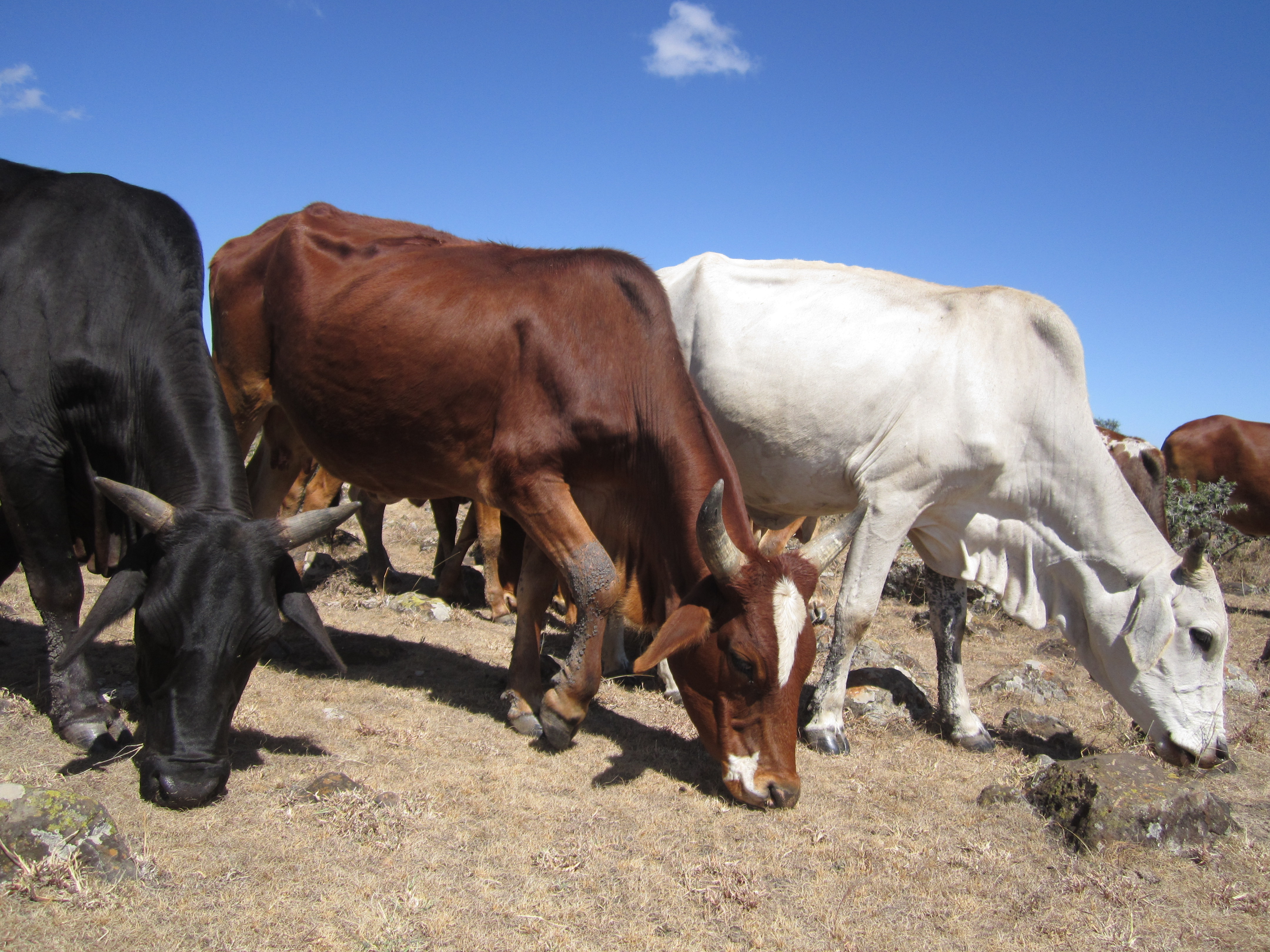
Still what it is all about? – Maasai cattle
`We don’t have something like that here anymore´
He slants his head, looks at me and smiles. I don’t know what he is thinking. Is he reminiscing? Does he feel sorry to disappoint me? Or, is he amused by the naivety of the mzungu, the `white´? `We don´t have something like that here anymore´, he says after some time. I am sitting in the homestead of an old Maasai man, having a cup of tea with him. I am somewhere in the remote area of Kajiado County in southern Kenya at the very Continue reading
Research Dispatches: Karibu mzungu!
This post is the first of three reports by RSO student Florian Neubauer about the MSc research he is conducting in Kenya. Florian has kindly agreed to blog about his research and to provide us with a review of :
- First reflections on researching in Kenya and his host institution, Maasai Mara University.
- Living among the Maasai with a focus on their culture and way of living.
- Results of the thesis.
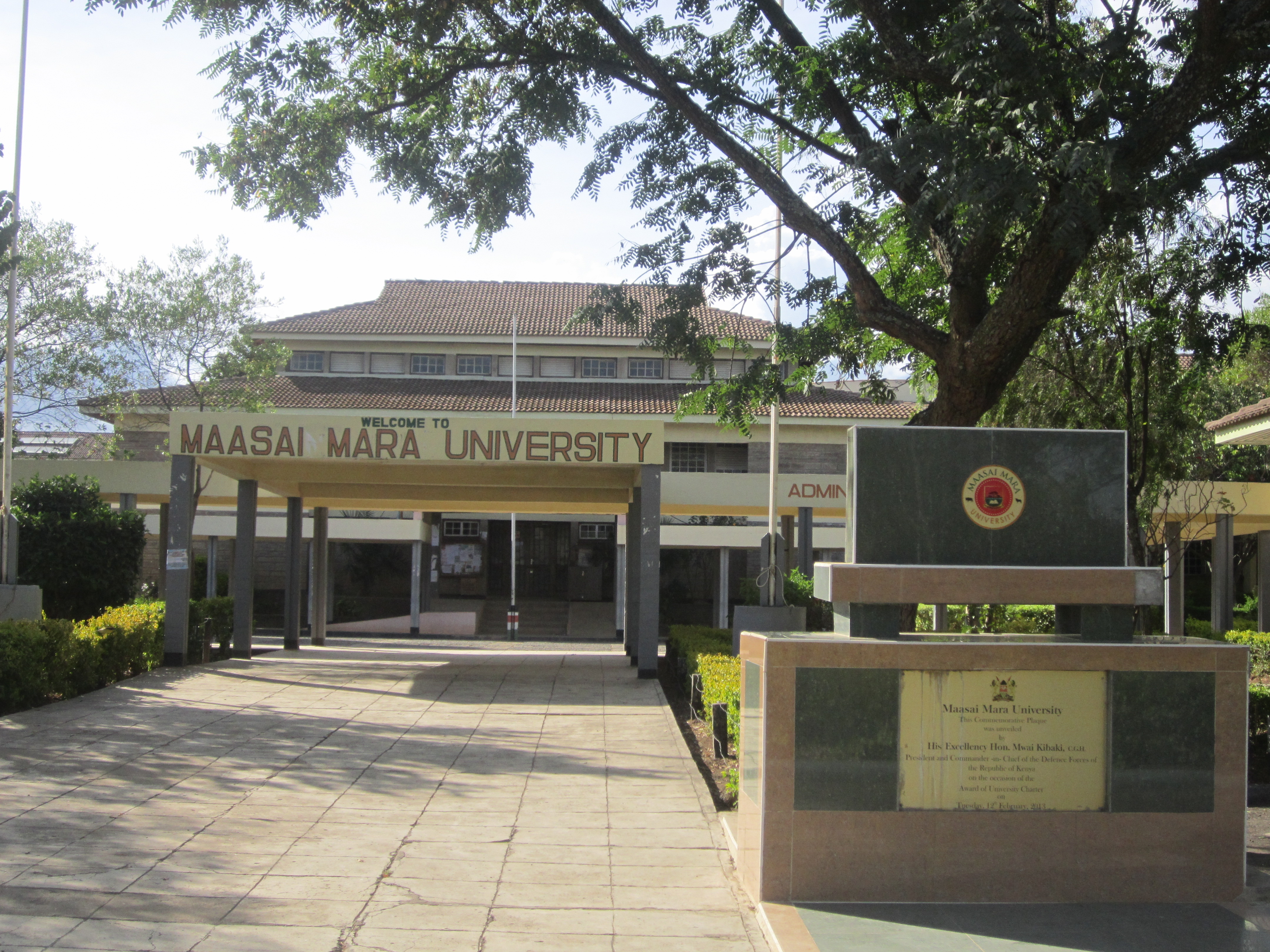
Main entrance of Maasai Mara University with the student library in the background.
Part 1: Introduction and Maasai Mara University (MMU)
`Karibu´ and ´karibu mzungu` – `Welcome´ or `welcome white person´ – are probably two of the most frequent sentences, I have heard here, since I arrived in Kenya around three weeks ago. Here in the south of the country, I am conducting the field work for my master thesis with RSO group on Understanding changes in land tenure and livelihoods among the pastoral Maasai in southern Kenya.
Over the past decades, pastoral Maasai have been increasingly exposed to various pressures to their pastoral livelihoods such as demographic development, the spread of national and games parks or an increased privatization and commercialization of land. One of the biggest pressures and also the focus of my research are changes in land tenure, or more specifically, transformation processes from formerly communally owned land towards increasingly individualized and privatized land (ownerships) – a development thatroughly began during the 1970s and 1980s and continues since then. I am interested in investigating how this transformation in land tenure is shaping and impacting Maasai pastoral livelihoods and Maasai households on a local level, with a specific focus on implications and impacts on local food (in)security. I will explore the current situation at the local level, as well as retrospectively the past decision-making processes of households, in order to understand when, how and why a household decided for instance (not) to change, diversify or maintain a certain livelihood strategy. Continue reading
New journal announcement: SITOPOLIS – Journal of Urban Agriculture and Regional Food Systems
SITOPOLIS – The Journal of Urban Agriculture and Regional Food Systems is a multi-disciplinary, peer-reviewed and open access journal focussing on urban and peri-urban agriculture and systems of urban and regional food provisioning in developing, transition and advanced economies.
The journal intends to be a platform for cutting edge research on urban and peri-urban agricultural production for food and non-food (e.g. flowers, medicine, cosmetics) uses and for social, environmental and health services (e.g. tourism, water storage, care, education, waste recycling, urban greening). It aims to explore, analyse and critically reflect upon urban and regional food production, processing, transport, trade, marketing and consumption and the social, economic, environmental, health and spatial contexts, relations and impacts of these food provisioning activities.
The journal addresses one of the contemporary grand societal challenges: how to secure the availability, affordability and access to culturally appropriate, nutritious and safe food for a growing and rapidly urbanizing world population in times of increasing resource scarcity, diet-related ill-health and climate change. This contemporary grand societal challenge requires a multi-disciplinary approach and hence SITOPOLIS welcomes contributions from a wide variety of disciplines, such as sociology, economics, marketing and consumer studies, gender studies, human and economic geography, urban and regional planning, architecture, urbanism, landscape architecture, political science, agronomy, soil science, water management, and public health studies. The journal publishes original research as well as critical reviews.
The journal is published by Baltzer Science Publishers in collaboration with ACSESS, the Alliance of Crop, Soil and Environmental Science Societies in the USA and with the RUAF Foundation. Editor-in-Chief is Prof.dr. Han Wiskerke, supported by an international and multi-disciplinary editorial board.
Student-assistenten gezocht voor de Dag van de Stadslandbouw
Op donderdag 15 mei vind in De Fabrique in Utrecht de Dag van de Stadslandbouw plaats, dit jaar in samenwerking georganiseerd met het PUREFOOD netwerk dat op 14 en 15 mei haar eindcongres houdt. Voor de Dag van de Stadslandbouw zijn de organisatoren nog op zoek naar een paar studenten die hand- en spandiensten kunnen verrichten op 15 mei (o.a. bij de ontvangst van de deelnemers en bij de start van de workshop sessies). Heb je belangstelling om te helpen, meld je dan aan bij Marco Lipsius van B2B Productions (marco.lipsius (at) b2bproductions.nl).

