Living the peasant way of life in Santa Cruz de la Colina

After a longer posting-pause in which I finalized my first research phase, identifying supporters of rural grassroots development initiatives in the Province of Soto, here a new update of my activities in Colombia:

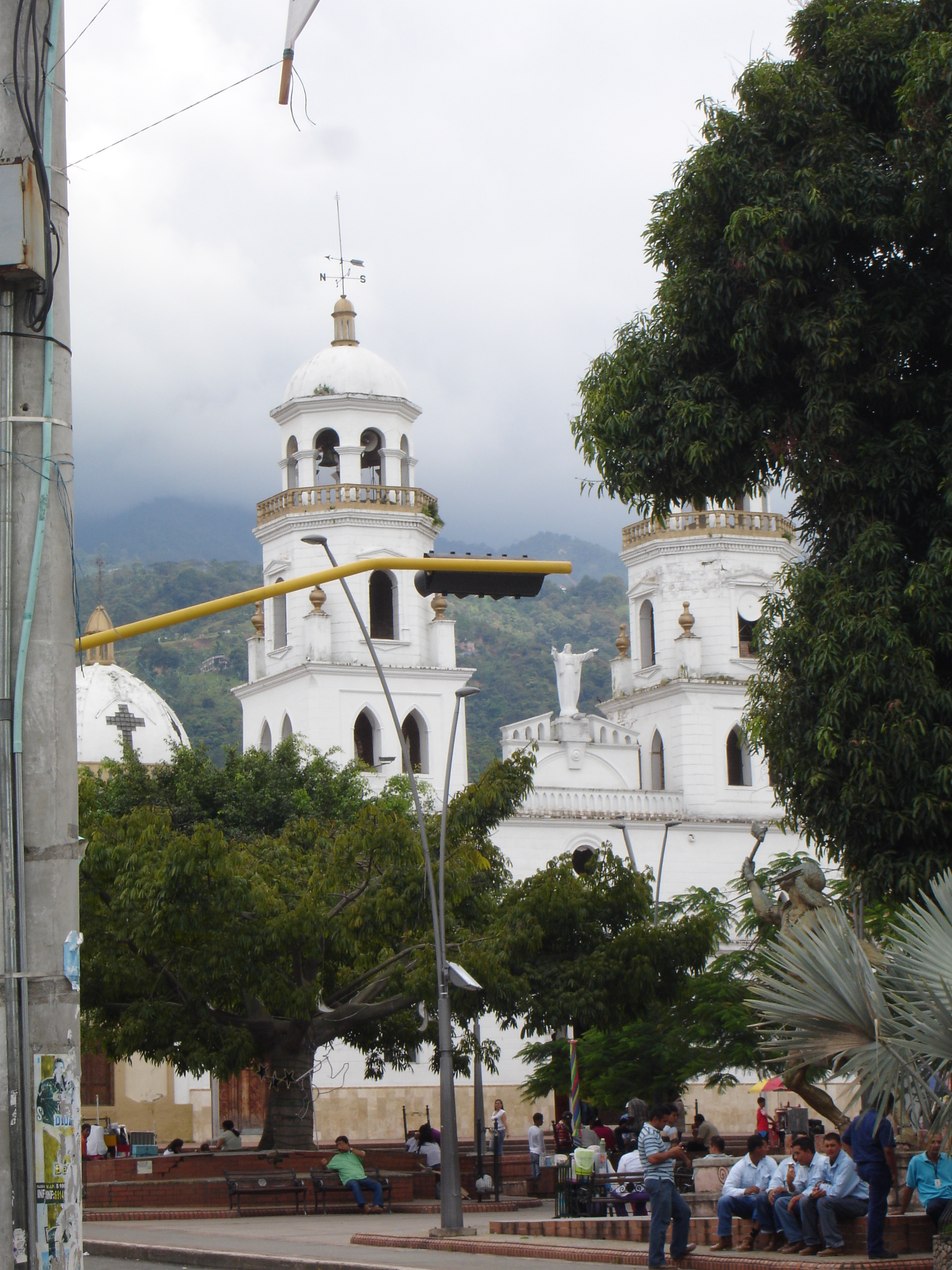
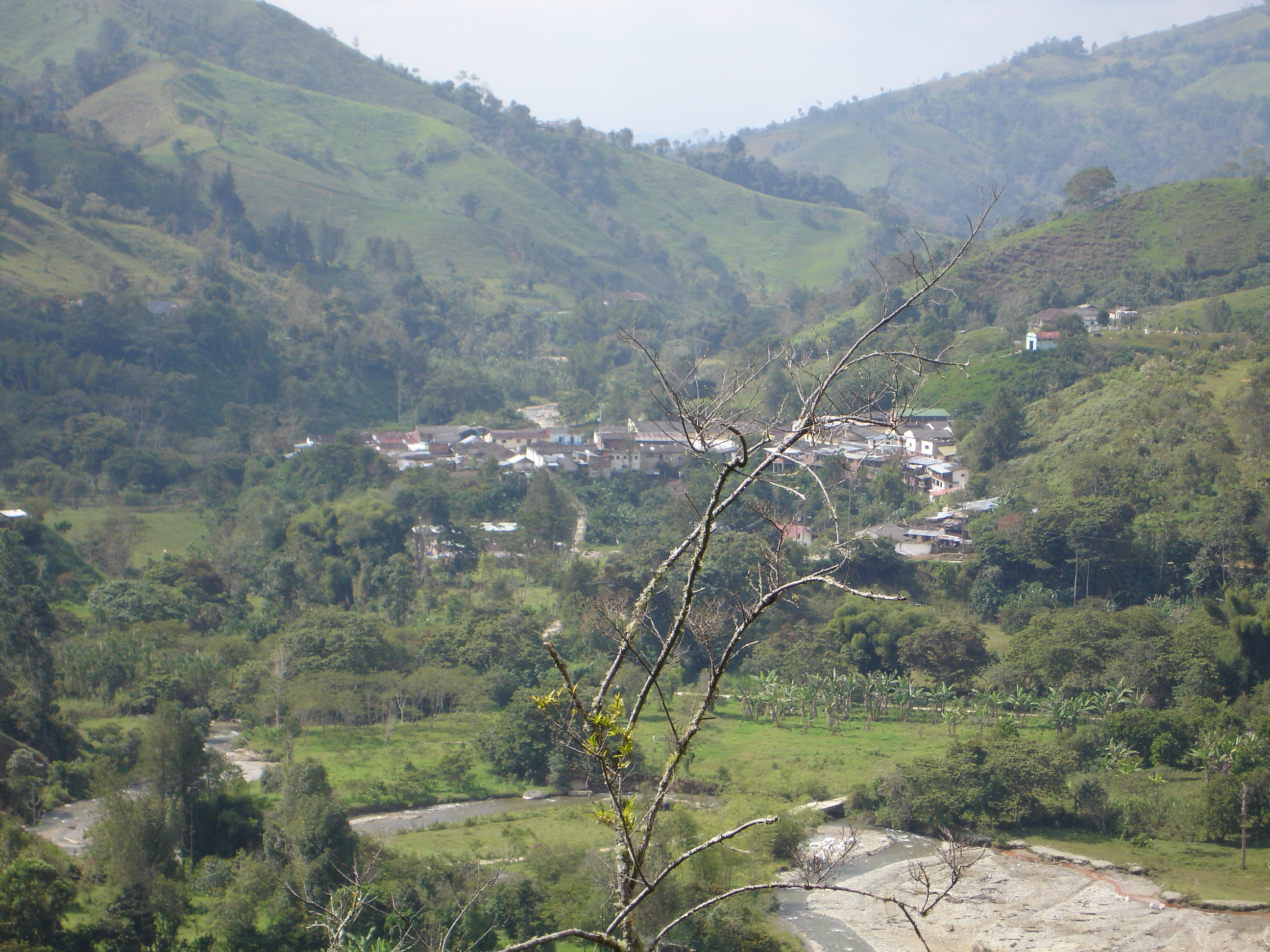
Time is flying and I am finalizing my second research phase, asking grassroots development initiatives to evaluate the support they are receiving to build joint capacities. To be able to speak with rural development initiatives, I was invited to spend a week with a peasant family in the vereda St. Ana of Santa Cruz de la Colina.

Santa Cruz de la Colina, Matanza, Colombia

Continue reading

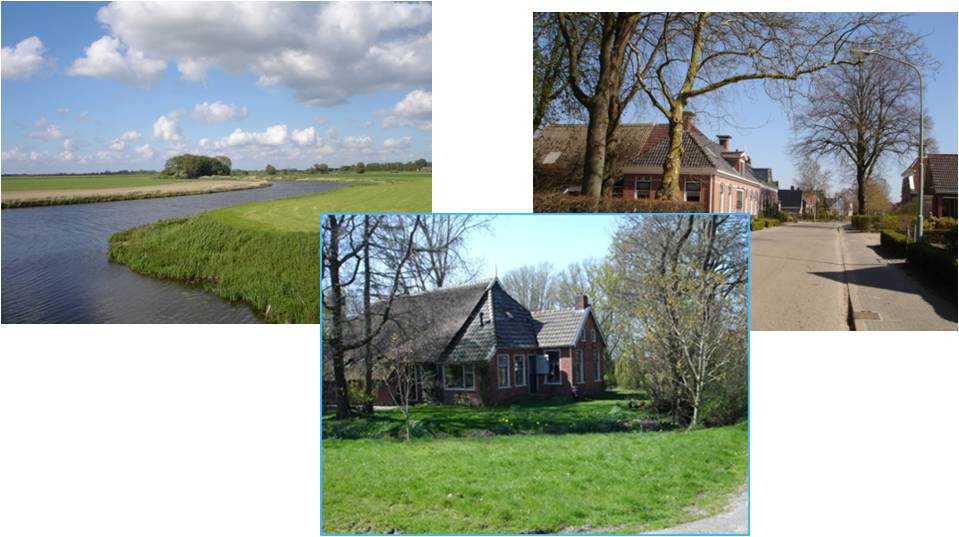
DERREG film Westerkwartier

Over the last 3 years, we have been carrying out research in the Westerkwartier concerning global influences on rural regional development.

The Westerkwartier, Groningen Province, The Netherlands

This research was carried out as part of the European project DERREG. The Westerkwartier was involved in two work packages of the project: 1. Investigating arrangements through which public support for joint learning and innovation is provided to development initiatives active in the region (WP4) and 2. Investigating global networking activities among rural businesses in the Westerkwartier (WP1).

In the summer and fall of this year, three film students from the University of Aberystwyth in Wales made their way around Europe to visit all case study areas and to film the present development activities. In the Westerkwartier, the film focuses on our research conducted for WP4 (joint learning and innovation). In this film, several supporters as well as the beneficiaries were interviewed. Their stories describe the development activities in the Westerkwartier very lively and give a feeling of the enthusiastic and motivated engagement of the denizens in developing their Westerkwartier. The film is available on YouTube and can be viewed here. Enjoy!

Presenting my Colombian case study area

During the last two weeks, I was in Bogotá to talk to experts from the IER at the Javeriana University as well as the Ministry of Environment and Sustainable Development to find out about public support for joint capacity building in rural Colombia. Now, I am back in the department of Santander to start my field work.

In order to be able to do an in-depth study of a) how support for joint capacity building in rural areas is organized and b) how this support is evaluated by its beneficiaries, I narrowed my case study area down to one municipality: Floridablanca.

Main square in Floridablanca

Continue reading

Excursion to Los Maklenkes nature reserve

Last Monday (21st of November), I participated in a field trip to Los Maklenkes nature reserve on top of the mountain La Judía in the municipality of Floridablanca, close to Bucaramanga. This nature reserve is managed by the peasants living around the reserve and, amongst others, sponsored by the Dutch state lottery. The field trip was part of the festival for urban-rural dialogue, in which I participated the previous weekend.

Los Maklenkes Nature Reserve, Floridablanca, Colombia

The day started with a gathering of all participants to make our way up the mountain to the nature reserve. It was an adventurous drive with 16 people in one Jeep, going up steeper and steeper mud-paths. I dared not to look to the right where the mountain was falling as steep to the ground as the road was crawling up.

Upon arrival at the entrance of the park, we were greeted by the local peasants and informed about the history of the nature reserve and its aim to protect biodiversity and water reservoirs. Following the introduction, we switched into our rubber boots and commenced with a three hour hiking tour through the reservoir.

Getting ready for our hike

Here, we saw the organic agro-forest farming activities which are being initiated under the facilitation of Fundaexpresión, a local NGO for promoting participatory research activities and education in peasant communities. I saw plantain and banana trees, coffee plants and avocado trees.

Banana tree

Following our hike, we settled in the communal house of the reserve to discuss nature protection activities in the high Andes and their impact on the livelihoods of peasants. At the end of the discussion, it was agreed that the provision of information and the creation of knowledge at local level was the most crucial point in enabling local peasants to deal with the resulting pressures on their livelihoods. The provision of information and the facilitation of capacity building were, however, regarded as poor. It was agreed that more attention must be given to the provision of information and the facilitation of capacity building at local level should peasants be enabled to deal with pressures on their livelihoods resulting from nature protection activities.

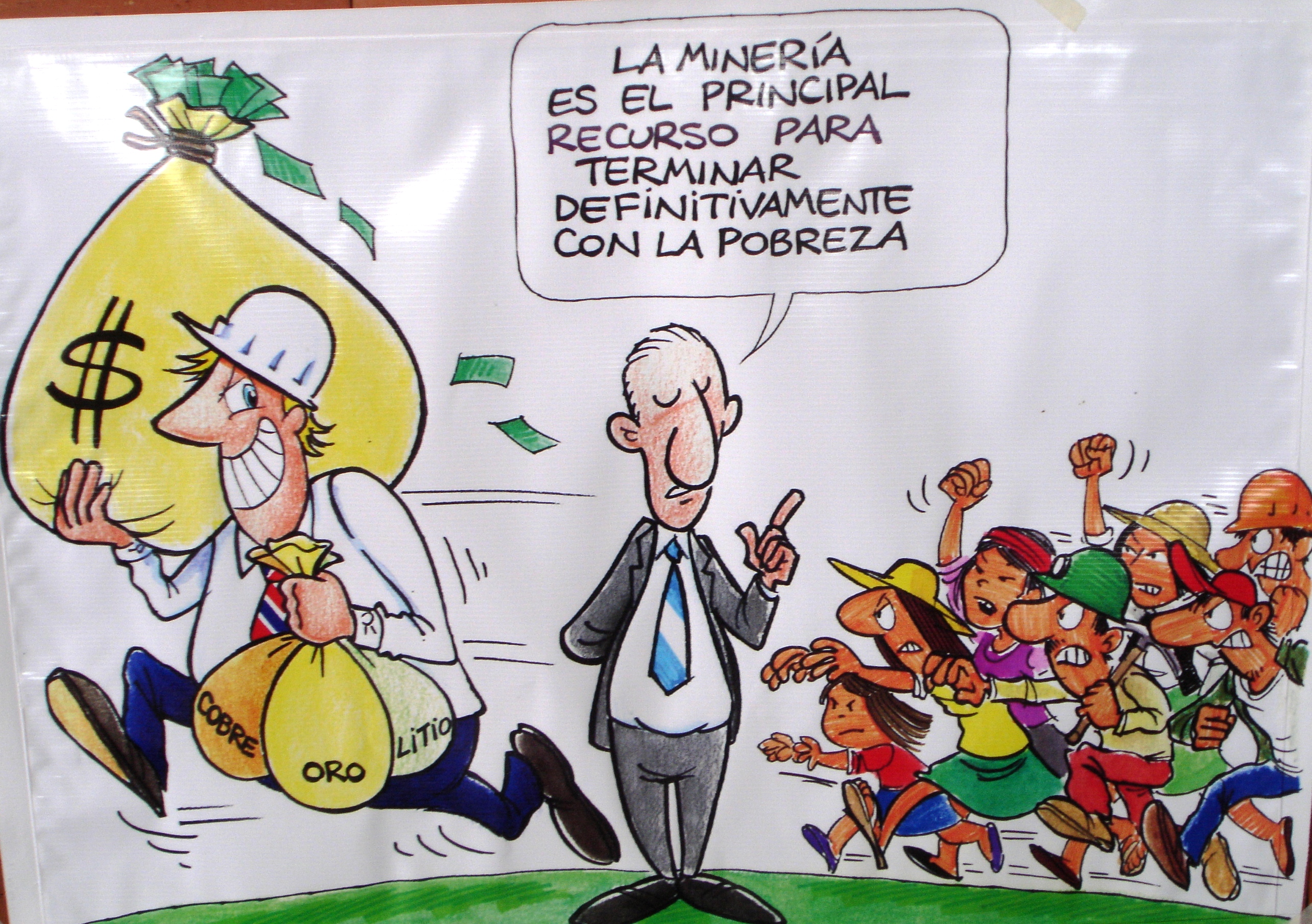
II Festival de Expresiones Urbanas y Rurales: Diálogo por la Diversidad y Buen Vivir, Bucaramanga, Colombia

Last weekend (18-20 of November 2011), I was able to participate in the II Festival for urban-rural dialogue in the barrio La Joya in Bucaramanga, Colombia. The festival was visited by peasants (such as fishers, women groups, and farmers), indigenous groups as well as knowledge brokers from all over Colombia, Costa Rica, Venezuela and Cuba. In addition, urban citizens from Bucaramanga, and La Joya in particularly, participated in the event. This mix of participants created a valuable learning environment for everyone (including me), and resulted in new ideas and organisations amongst the participants. In a way, this festival reminded me of the rural cafés I visited in the Westerkwartier, the Netherlands.

The overall theme of the event was the environmental conflicts in rural Colombia resulting on the one hand from the numerous (and often multinational) economic exploitation activities (e.g. gold mining, hydroelectric power activities and monoculture) and on the other hand from conservation activities.

Poster presented at festival

Continue reading