II Festival de Expresiones Urbanas y Rurales: Diálogo por la Diversidad y Buen Vivir, Bucaramanga, Colombia

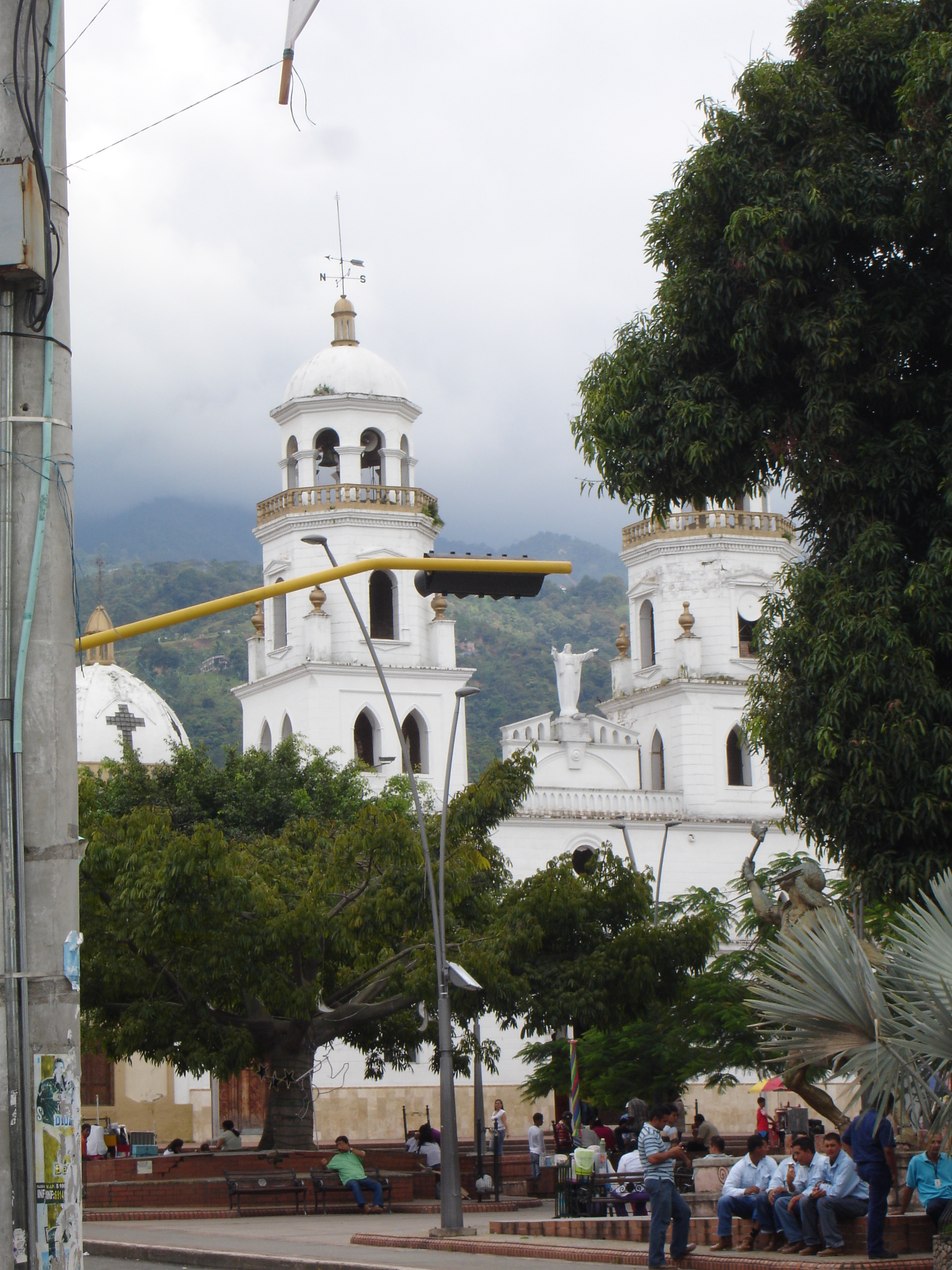
Last weekend (18-20 of November 2011), I was able to participate in the II Festival for urban-rural dialogue in the barrio La Joya in Bucaramanga, Colombia. The festival was visited by peasants (such as fishers, women groups, and farmers), indigenous groups as well as knowledge brokers from all over Colombia, Costa Rica, Venezuela and Cuba. In addition, urban citizens from Bucaramanga, and La Joya in particularly, participated in the event. This mix of participants created a valuable learning environment for everyone (including me), and resulted in new ideas and organisations amongst the participants. In a way, this festival reminded me of the rural cafés I visited in the Westerkwartier, the Netherlands.

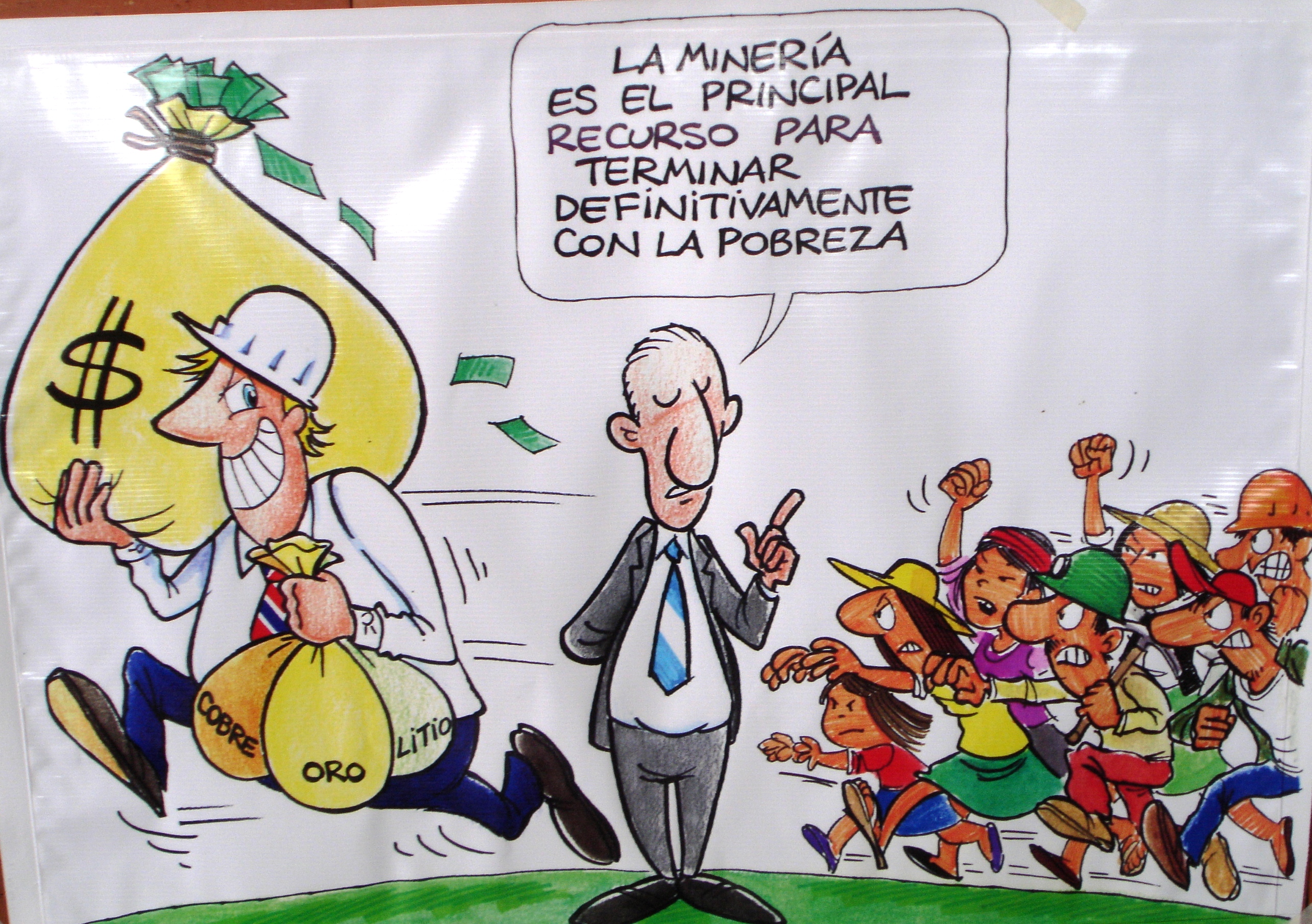
The overall theme of the event was the environmental conflicts in rural Colombia resulting on the one hand from the numerous (and often multinational) economic exploitation activities (e.g. gold mining, hydroelectric power activities and monoculture) and on the other hand from conservation activities.

Poster presented at festival

Continue reading

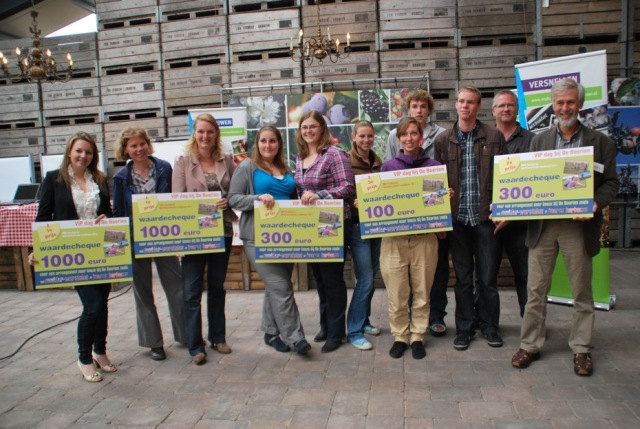
Win een weekend weg met je scriptie!

Gaat jouw studieonderwerp over Multifunctionele landbouw? 
Doe mee met de Studieprijs Multifunctionele Landbouw! Meld je project online aan
 en win met je opdracht, project, stage of scriptie een geheel verzorgd weekend weg of een bourgondische tafelen met je vrienden!

Belangrijkste voorwaarden zijn:
– dat je onderwerp gaat over multifunctionele landbouw;
– dat je studeert of (recent) studeerde aan een MBO, HBO of WO onderwijsinstelling
– en dat het studieproject is afgerond tussen 1 januari 2011 en 15 februari 2012.

Wil je meer weten over de spelregels of je aanmelden? Kijk op www.multifunctionelelandbouw.nl/studieprijs

Wat is multifunctionele landbouw? Dit omvat agrarische bedrijven die naast hun veehouderij-, akkerbouw- of tuinbouwbedrijf andere activiteiten uitoefenen, gekoppeld aan het primaire landbouwbedrijf. Deze activiteiten zijn zorglandbouw, recreatie, agrarische kinderopvang, boerderijeducatie, agrarisch natuur- en landschapsbeheer en/of de productie en verkoop van streekproducten. Een onderwerp zou dus kunnen zijn: het maken van een ontwerp voor een minicamping. Of bv het in kaart brengen van de gevolgen van de bezuinigingen in het zorgstelsel voor zorgboerderijen of de ontwikkeling van een nieuw streekproduct. Maar (juist) ook andere ideeën zijn welkom!

On the trail of regional learning in rural Colombia

Over the last two and a half years, we have been investigating arrangements to support regional learning in various rural areas across Europe (EU-project DERREG). This intense period of field work and data analysis has given me a first idea of just how complex this subject is, how diverse supportive arrangements can be, and how dependent their success is on the regional contexts in which they are implemented.

As if this complexity is not already enough to ponder about, my curiosity and interest in mutual learning for development has urged me to also investigate this topic outside the European Union. I was particularly interested in questioning how rural regional learning is supported in, what is commonly referred to as, “developing” countries. So, here I am in Colombia,

Downtown Bogotá, Colombia

Continue reading

Intensive programme for Wageningen students

Are you a student of Wageningen University and interested in food? Then, you might be eligible for a new Intensive Programme in which the Rural Sociology Group participates. During two intensive weeks in Cluj (Rumania) you will be introduced to traditional foods in a multidisciplinary setting. Students and lecturers from various European countries (France, Greece, Denmark, Ireland, Italy, Rumania, Belgium, Slovenia, Poland) will discuss in an inspiring setting the relationship between microorganisms and traditional food; are they partners or competitors? The background of the students and staff varies from economy to food microbiology, geography, agro-forestry, food safety, animal product processing and of course rural sociology. For more information, please contact Els Hegger. Continue reading

CS: Food crisis? Strategies to transform our food system: course outline

On the 16th of October it is World Food Day. The theme this year 2011 is ‘Food prices –from crisis to stability’. Price swings, upswings in particular, represent a major threat to food security in developing countries. It is predicted that instability in the world food economy will continue during the decade to come. What can we do? How can we create resilient food systems? The World Food Day has inspired the NGO’s Otherwise, RUW and the Boerengroep, to jointly organise a series of activities and lectures: Food, Farmers and Forks: moving beyond the crisis in agriculture.

In collaboration with Petra Derkzen of the chairgroup Rural Sociology (RSO) the series can be followed as one of the learning activities in this Capita Selecta course under the code RSO 51303 ‘Agricultural and Rural Innovation Processes’. The Food Farmer Fork lecture series together with the book: Food movements Unite! Strategies to Transform Our Food System (ed. Eric Holt-Giménez; see foodfirst.org) and a written essay form the basis of the course.

So, listen to critical lectures on the role that social movements can play in rural development, the future for European farmers after the CAP, the contribution of urban agriculture to food security and consider your own Ecological Footprint in the Food Farmer Fork series! And, the course literature consists of a just released and super timely book which gives the necessary background and concepts to understand the relationships between food sovereignty, resilient food systems and social movements. We will read Part I. You will learn to formulate your own vision on these relationships through the course essay assignment. The full course outline will be available soon.

Credits: 3. See under this link the course outline: Capita Selecta RSO 51303 v2

Language: English

Start: Tuesday evening 1th of November. Lectures/activities; every tuesday evening until 13th of December. Deadline essay delivery 14 of December.

Subscribe to the course until 31 of October at Boerengroep st.boerengroep@wur.nl