Presenting my Colombian case study area

During the last two weeks, I was in Bogotá to talk to experts from the IER at the Javeriana University as well as the Ministry of Environment and Sustainable Development to find out about public support for joint capacity building in rural Colombia. Now, I am back in the department of Santander to start my field work.

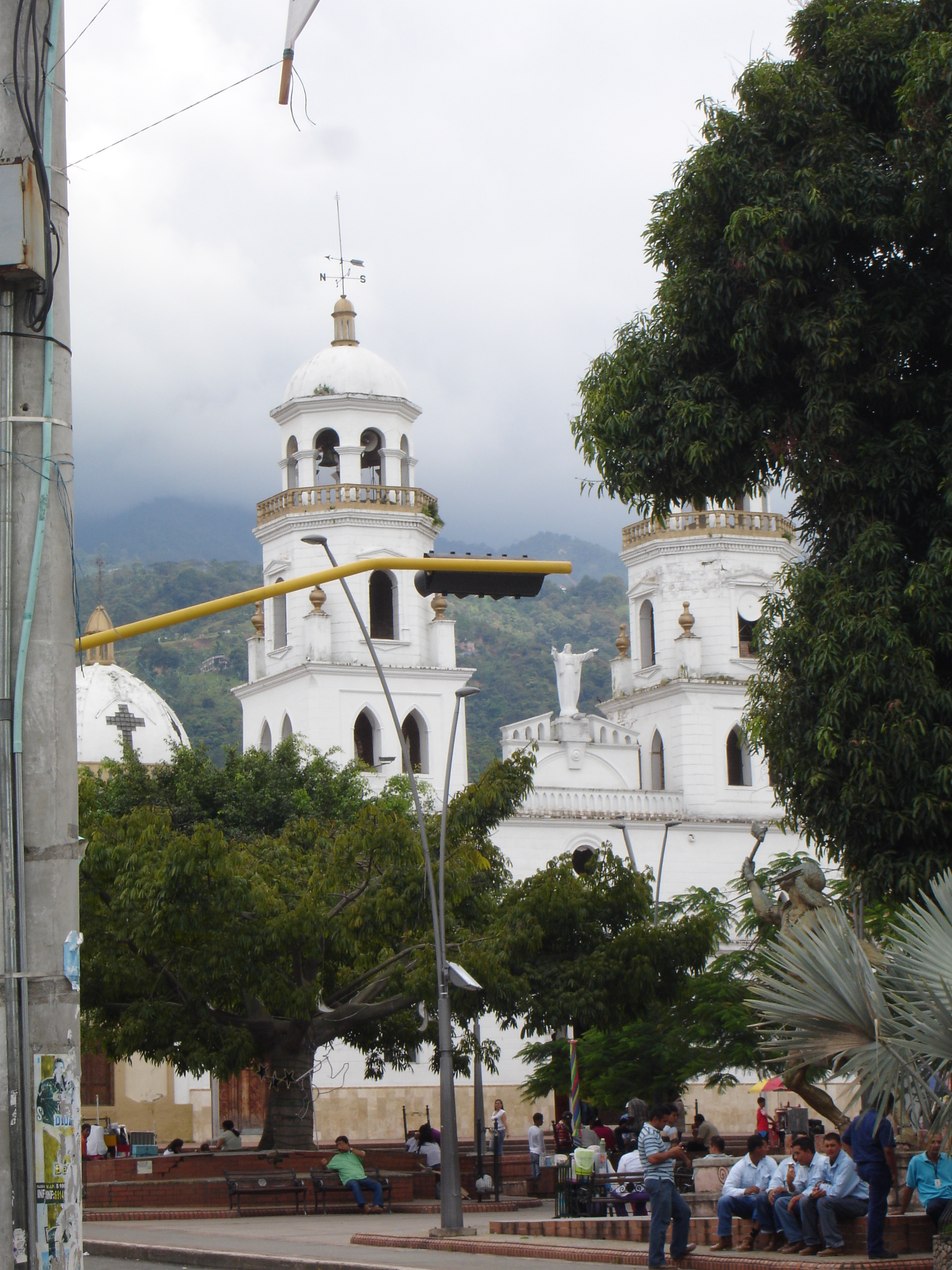
In order to be able to do an in-depth study of a) how support for joint capacity building in rural areas is organized and b) how this support is evaluated by its beneficiaries, I narrowed my case study area down to one municipality: Floridablanca.

Main square in Floridablanca

Continue reading

Excursion to Los Maklenkes nature reserve

Last Monday (21st of November), I participated in a field trip to Los Maklenkes nature reserve on top of the mountain La Judía in the municipality of Floridablanca, close to Bucaramanga. This nature reserve is managed by the peasants living around the reserve and, amongst others, sponsored by the Dutch state lottery. The field trip was part of the festival for urban-rural dialogue, in which I participated the previous weekend.

Los Maklenkes Nature Reserve, Floridablanca, Colombia

The day started with a gathering of all participants to make our way up the mountain to the nature reserve. It was an adventurous drive with 16 people in one Jeep, going up steeper and steeper mud-paths. I dared not to look to the right where the mountain was falling as steep to the ground as the road was crawling up.

Upon arrival at the entrance of the park, we were greeted by the local peasants and informed about the history of the nature reserve and its aim to protect biodiversity and water reservoirs. Following the introduction, we switched into our rubber boots and commenced with a three hour hiking tour through the reservoir.

Getting ready for our hike

Here, we saw the organic agro-forest farming activities which are being initiated under the facilitation of Fundaexpresión, a local NGO for promoting participatory research activities and education in peasant communities. I saw plantain and banana trees, coffee plants and avocado trees.

Banana tree

Following our hike, we settled in the communal house of the reserve to discuss nature protection activities in the high Andes and their impact on the livelihoods of peasants. At the end of the discussion, it was agreed that the provision of information and the creation of knowledge at local level was the most crucial point in enabling local peasants to deal with the resulting pressures on their livelihoods. The provision of information and the facilitation of capacity building were, however, regarded as poor. It was agreed that more attention must be given to the provision of information and the facilitation of capacity building at local level should peasants be enabled to deal with pressures on their livelihoods resulting from nature protection activities.

II Festival de Expresiones Urbanas y Rurales: Diálogo por la Diversidad y Buen Vivir, Bucaramanga, Colombia

Last weekend (18-20 of November 2011), I was able to participate in the II Festival for urban-rural dialogue in the barrio La Joya in Bucaramanga, Colombia. The festival was visited by peasants (such as fishers, women groups, and farmers), indigenous groups as well as knowledge brokers from all over Colombia, Costa Rica, Venezuela and Cuba. In addition, urban citizens from Bucaramanga, and La Joya in particularly, participated in the event. This mix of participants created a valuable learning environment for everyone (including me), and resulted in new ideas and organisations amongst the participants. In a way, this festival reminded me of the rural cafés I visited in the Westerkwartier, the Netherlands.

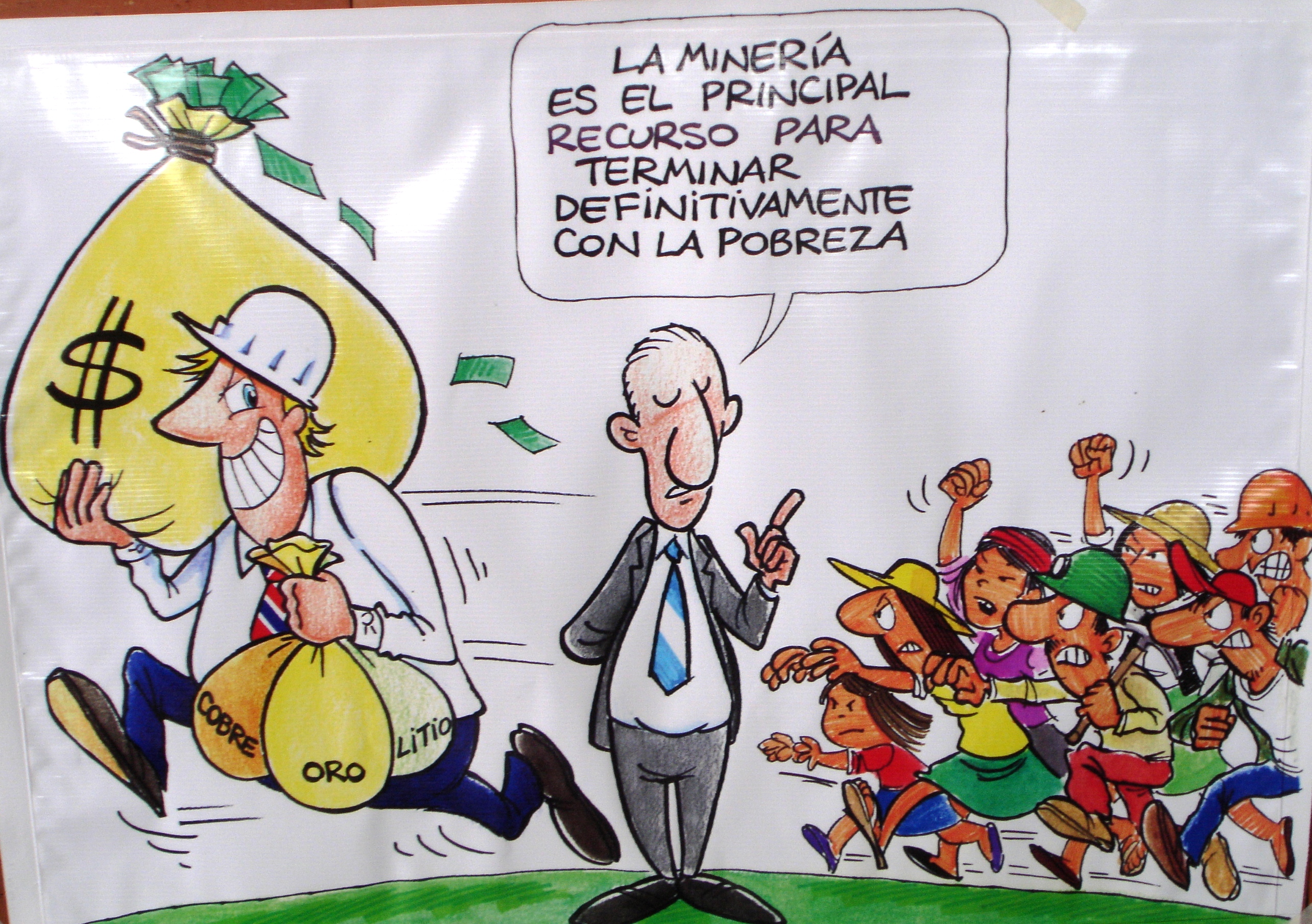
The overall theme of the event was the environmental conflicts in rural Colombia resulting on the one hand from the numerous (and often multinational) economic exploitation activities (e.g. gold mining, hydroelectric power activities and monoculture) and on the other hand from conservation activities.

Poster presented at festival

Continue reading

On the trail of regional learning in rural Colombia

Over the last two and a half years, we have been investigating arrangements to support regional learning in various rural areas across Europe (EU-project DERREG). This intense period of field work and data analysis has given me a first idea of just how complex this subject is, how diverse supportive arrangements can be, and how dependent their success is on the regional contexts in which they are implemented.

As if this complexity is not already enough to ponder about, my curiosity and interest in mutual learning for development has urged me to also investigate this topic outside the European Union. I was particularly interested in questioning how rural regional learning is supported in, what is commonly referred to as, “developing” countries. So, here I am in Colombia,

Downtown Bogotá, Colombia

Continue reading

Working group at 24th ESRS congress in Chania, Greece 22-25 August 2011: Call for papers

Imre Kovách ( Institute for Political Science of the Hungarian Academy of Sciences, Budapest), Petra Derkzen and I are organising a working group on “the governance of semi-subsistent food and farming strategies in the countryside and city- a compartive perspective” at the 24th ESRS congress in Chania (Greece) from 22-25 of August 2011. We would like to invite all interested researchers to submit their papers dealing with empirical or theoretical reflections on the driving forces, structure and mechanisms of semisubsistence food and farming strategies in the countryside and-or cities, both within developed and developing countries. Abstracts may be submitted  to Imre Kovach (ikovach@mtapti.hu) AND chania2011@agr.unipi.it until the 30th of April 2011.  For a more detailed description of the workshop please read further…

Courtesy of European Forum on Nature Conservation and Pastoralism

Continue reading