Romashki or a Life Less Ordinary, part 2

By Thomas Mcintyre

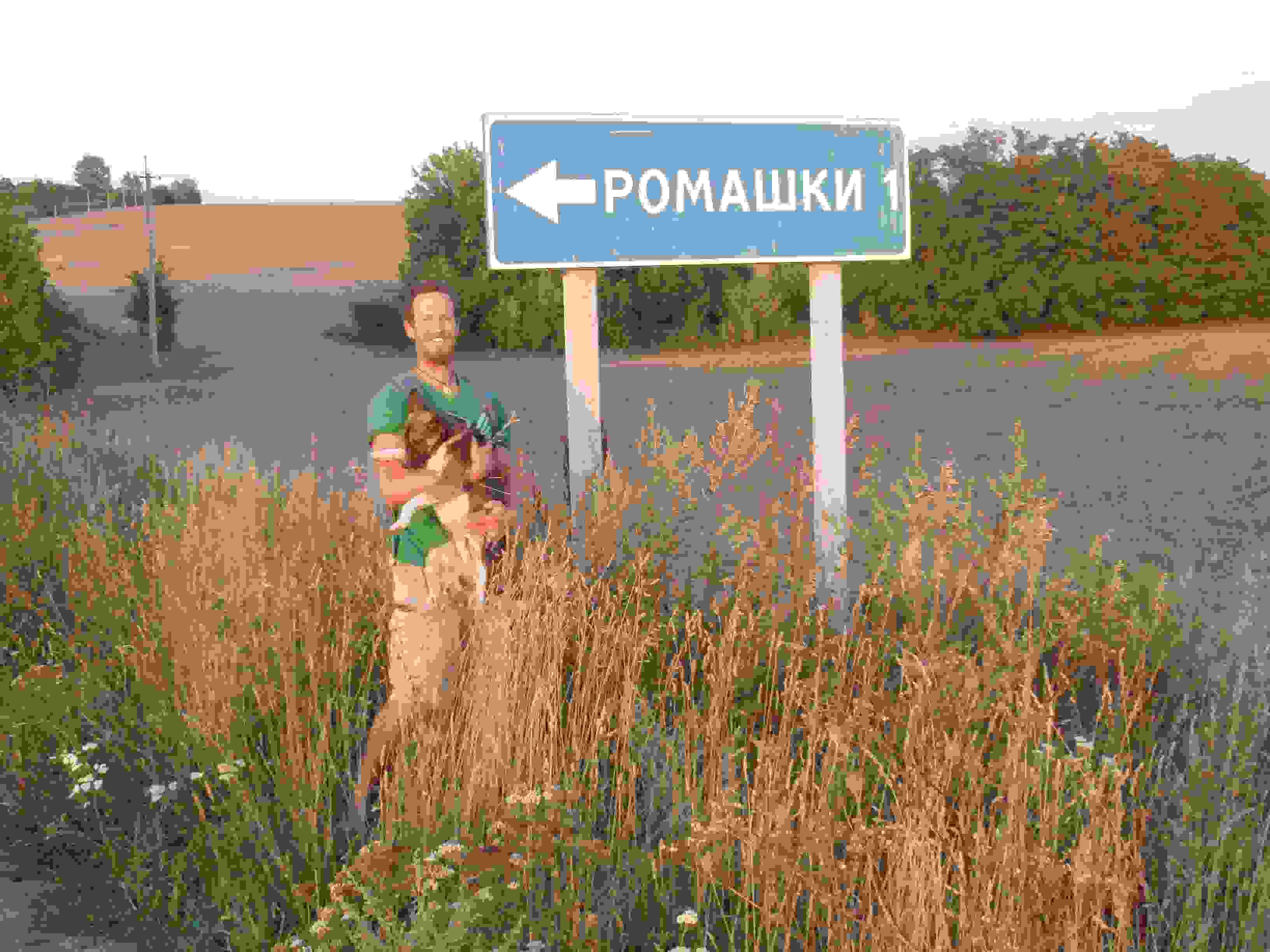
Once upon a time…Do you, my dear reader, believe it is possible to live in a fairytale? This may seem like a strange question on a rural sociology blog, and indeed it is. It is not a question I thought seriously about before, though I confess I have been predisposed to curling up on a chair in front of the fire and entering the world of fairytales through a book or through my imagination… but to live in one! This seems rather preposterous, and you would be forgiven for wondering what this has to do with serious anthropological research. But like any good research, setting out into the unknown has raised some strange questions I have had to stew on. If you answer a tentative yes to the opening question, as I am now inclined to do, then would you entertain the thought of writing a fairytale thesis? After all, if the reality you are studying is a fairytale, then would it not only be appropriate that the written representation of this reality should also be a fairytale? Now, I suppose you would like me to explain what I mean by living a fairytale and writing a fairytale thesis, especially its academic justification and application. But first things first: my arrival to Romashki.
Continue reading →
Origin Food – course on Origin Food Products

Over the coming education period, covering eight weeks from March 1 till April 23, our group will again provide the MSc course ‘Origin Food:  a Market for Identity’. The course is compulsory for students of the Specialization Gastronomy of the Master Food Technology, but is open to students for other educational programmes as well.

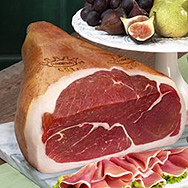
Prosciutto di Parma

Food products with a geographical indication are becoming more important worldwide, both in economic and cultural terms. In the course a distinction is made between officially acknowledged ‘regional typical products’  with a protected geographical indication (such as Parma ham, Boerenleidse kaas, Café de Colombia) and ‘local food’ sourced locally by e.g. restaurants, shops or online box schemes.

The course deals with a range of questions on OFPs organised around five weekly themes: 1) Originality factors; 2) Regulation and legislation; 3) Marketing and branding; 4) Sustainability impact; and 5) Consumers’ appreciation, regional gastronomy and food tourism.

The course consists of a combination of lectures, guest lectures by experts, a gastronomic excursion and group assignments to study the particularities of Origin Food Products.

Contactperson: Dirk.Roep@wur.nl

Stages; Opzetten van buurtmoestuin in Tilburg

De gemeenteraad van Tilburg heeft ingestemd met het initiatief voor het opzetten van  buurtmoestuinen. Om dit te verwezenlijken zullen Brabantse Milieufederatie en welzijnsorganisatie Twern in samenwerking met de gemeente Tilburg en andere organisaties dit project gaan trekken. De BMF en Twern zullen de leiding hebben over dit project, maar er zal wel nauw samengewerkt worden met de andere partijen.

De Brabantse Milieufederatie is een onafhankelijke belangenbehartiger voor natuur,  landschap en milieu in de provincie Noord-Brabant. De Twern is een welzijnsorganisatie die maatschappelijke diensten levert.

Stage mogelijkheid 1:
Buurtmoestuinen kennen vele positieve effecten voor de buurt en het milieu. Het is de bedoeling dat de stagiair het veld in gaat en dit project realiseert. Beide organisaties beschikken over de nodige contacten en netwerken waar de stagiair volop gebruik van kan maken. Het is de bedoeling dat er uiteindelijk minstens 1 buurtmoestuin is opgestart en dat de organisatie voor de andere buurtmoestuinen in gang is gezet.

Stagemogelijkheid 2:
De gemeenteraad van Tilburg heeft al ingestemd op dit initiatief, maar de BMF en  Twern willen dit ook graag in andere gemeentes van Noord-Brabant gaan realiseren. Andere gemeentes zover krijgen en begeleiden bij het opzetten van buurtmoestuinen is een andere stage mogelijkheid.

Zij zoeken naar een enthousiast iemand die in staat is zelfstandig te werken, doorzettingsvermogen heeft, goed kan organiseren en initiatief nemend is.  Zij bieden een uitdagende leerplek, waarin veel ruimte wordt geboden voor eigen inbreng en wensen.

Looptijd is ongeveer 5 maanden voor de verschillende opdrachten en tot 1 jaar voor de combinatie.

Meer info bij Petra.derkzen@wur.nl of rechtstreeks bij:

John Vermeer
E-mail: john.vermeer@bmf.antenna.nl
Telefoon: 013-5356225 | 06-12579879
Karlijn Verschuren,
E-mail: karlijnverschuren@noord.twern.nl
Telefoon: 013-4553800

Gastronomie en eetindustrie

Deze periode wordt voor het eerst het vak Food Culture and Customs gegeven. Het vak is ontwikkeld voor studenten Food Technology en in het bijzonder voor studenten die binnen deze opleiding gekozen hebben voor de nieuwe specialisatie Gastronomy. De 24 studenten die het vak volgen, komen echter ook van andere studierichtingen zoals Nutrition and Health.

De Master Gastronomy gaat over de voedseltechnologische kant van koken wat tot uitdrukking komt in vakken als ‘Moleculair Gastronomy’; koken op basis van kennis van de chemische transformatie van ingrediënten. Chemisch koken dus, op basis van bijvoorbeeld de verschillende componenten waaruit wijn bestaat, met als doel om verrassend nieuwe of meer verfijnde smaken te creëren.Het vak Food Culture and Customs, bekijkt eten en eetcultuur niet vanuit een technologische maar vanuit een sociologische invalshoek. Het gaat in het vak dus niet om de produkten an sich maar om de betekenis van voedsel in ons dagelijks leven, de sociale, culturele en religieuze functies van ons eten, de ethische aspecten verbonden aan voedsel. Maar ook over voedsel in relatie tot levensstijl en sociale klasse; gastronomie heeft tenslotte ook alles te maken met sociale positie en prestige.

Foto: Bart de Gouw

Gastronomie, in het gastcollege van Onno Kleyn gedefinieerd als ‘food as art’ wordt vaak in contrast gezet met de industrialisatie en massaproduktie van voedsel. Er zijn echter ook bedrijven die proberen het één en het ander te combineren. Hoe? Dat was de vraag voor de studenten tijdens een excursie afgelopen dinsdag naar Marfo in Lelystad. Marfo produceert klant en klare bevroren maaltijden voor o.a. vliegtuigmaatschappijen, bejaardentehuizen en het leger. Marfo combineert de culinaire kennis en gastronomische expertise onder leiding van topchef Pascal Jalhay met hoogwaardige productietechnologie. De studenten bestudeerden de vertaling van gastronomie voor de verschillende ‘markten’, elk groepje een andere markt. Hoe vindt de vertaling plaats, wanneer is nog sprake van gastronomie, voor welke markten lukt dit het beste? Zij presenteren hun resultaten morgen tijdens de les aan Harold Oldenbeuving, adjunct directeur Operations.

Romashki or a Life Less Ordinary, part 1

Thomas Macintyre is a MSc student enrolled in the Master International Development Studies. For his MSc thesis research he spent 3 months in an ecovillage in the Ukraine, to study everyday village life. Thomas’ post is the first of a series in which he shares his experiences of the “life less ordinary” he has lived for 3 months.

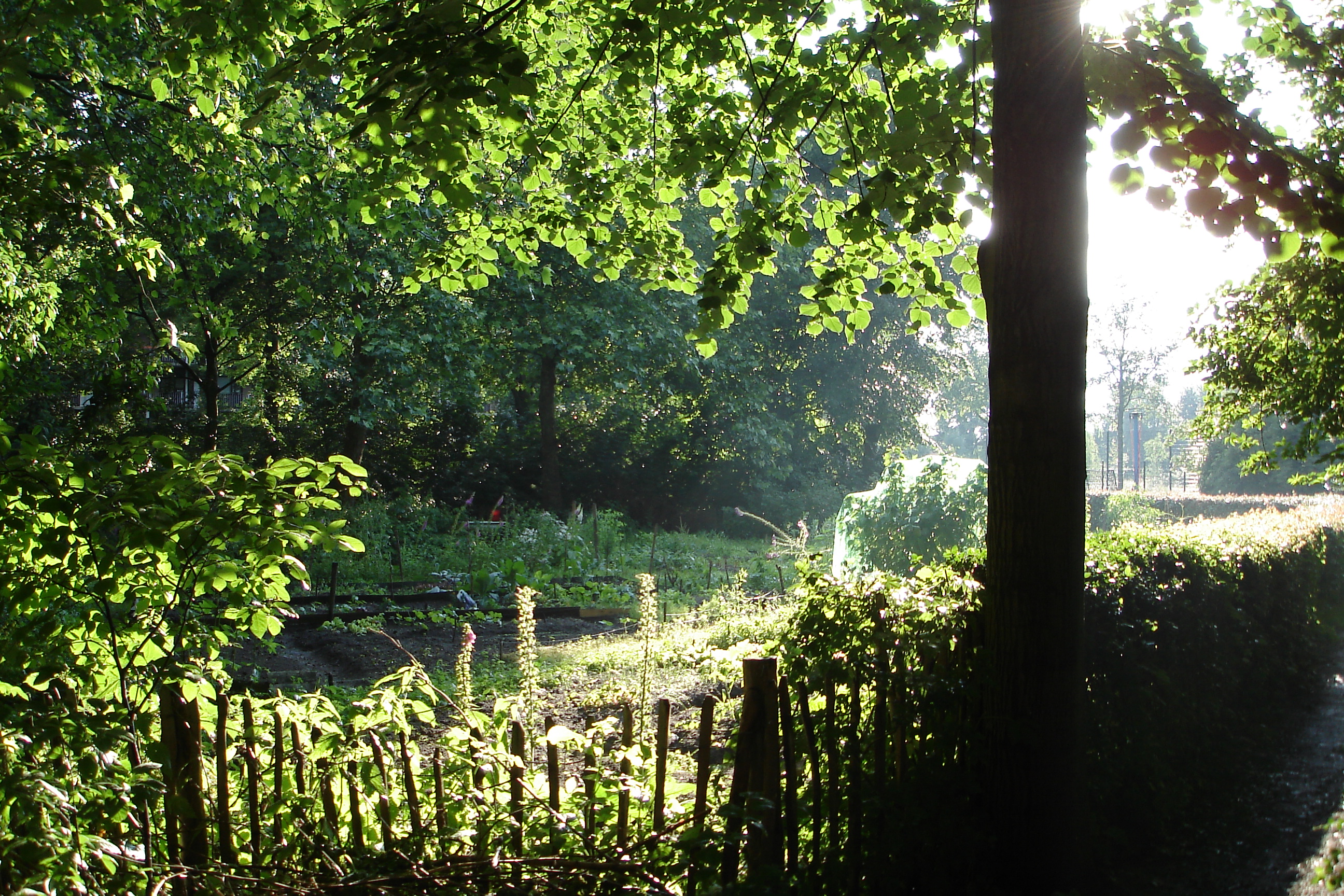
Imagine if you can a little village surrounded by forests beside a little lake. Squirrels play in trees amongst the woodpeckers, frogs play hide and seek with the cranes in the lake, and when the sun has set, the wild pigs come out to sniff and dig around the fields and gardens in the village, curious as ever as to see what is new.  Continue reading →