New course: Sociology of Food Provisioning and Place-based Development

The MSc course “Understanding Rural Development: Theories, Practices and Methodologies” (course code RSO-31806) has been revised and renamed into “Sociology of Food Provisioning and Place-based Development”. The course is mandatory for Master students within the track Sociology of Rural Development of the Master International Development Studies, specializing in rural sociology and a free choice course for Master students of other programmes and tracks. If you are interested in topics such as alternative food geographies, food citizenship, food democracy, urban food provisioning, sustainable place shaping, and regional branding, it may be worth participating in this course. Students who do not have a BSc degree in International Development Studies or related field of expertise may not have the assumed prerequisite knowledge to successfully participate and are therefore requested to contact the course coordinator, Han Wiskerke (han.wiskerke@wur.nl), to see if and how this gap can be addressed.

For more information about the contents, schedule, learning outcomes and educational activities, please click on this link or contact the course coordinator for more information or the latest version of the course guide.

Students invited for the course ‘A Global sense of place’

For whom?
We invite all master students interested in sustainable development, spatial development, community building, place-based policy, rural socio-logy and anthropology for this course.

What?
This course gives an overview of place-based approaches in development. A relational place-based approach is key to the understanding of interrelated rural and urban transformation processes and sustainable development. Places are considered as contingent but in time and space differentiated outcomes of three interrelated, unbounded, transformative processes: political-economic, ecological and social-cultural.
We will have discussions about:
• Sense of place
• Places as sites of negotiation and power struggles
• The constitution of identities, subjectivities and difference.
• Politics of place.

Why should you follow this course?
• Interesting international guest lectures (if enough students attend the course)
• Inter-disciplinary approach
• Urban and rural cases
• Interactive discussions in small groups

Some practical information:
Course code: RSO 55306; ECTS: 6, When: Period 2;
Lectures and Workshops on: Monday-, Tuesday-, Thursday- mornings.
Interested? For more information on the course see the detailed Course outline RSO-55306 (2012-2013) final

Course Global Sense of Place starting on October 29th!

For whom?

We invite all master students interested in sustainable development, spatial development, community building, place-based policy, rural socio-logy and anthropology for this course.

What?

This course gives an overview of place-based approaches in development. A relational place-based approach is key to the understanding of interrelated rural and urban transformation processes and sustainable development. Places are considered as contingent but in time and space differentiated outcomes of three interrelated, unbounded, transformative processes: political-economic, ecological and social-cultural.
We will have discussions about:

  • Sense of place
  • Places as sites of negotiation and power struggles
  • The constitution of identities, subjectivities and difference.
  • Politics of place.

Why should you follow this course?

  • Interesting international guest lectures (if enough students attend the course)
  • Inter-disciplinary approach
  • Urban and rural cases
  • Interactive discussions in small groups

Some practical information:

Course code: RSO 55306;   ECTS: 6,  When: Period 2;

Lectures and Workhops on: Monday-, Tuesday-, Thursday- mornings.

Interested? For more information on the course see the online study handbook or send  an email to L.G. Horlings: lummina.horlings@wur.nl. A detailed Course outline will be available soon.

Living the peasant way of life in Santa Cruz de la Colina

After a longer posting-pause in which I finalized my first research phase, identifying supporters of rural grassroots development initiatives in the Province of Soto, here a new update of my activities in Colombia:

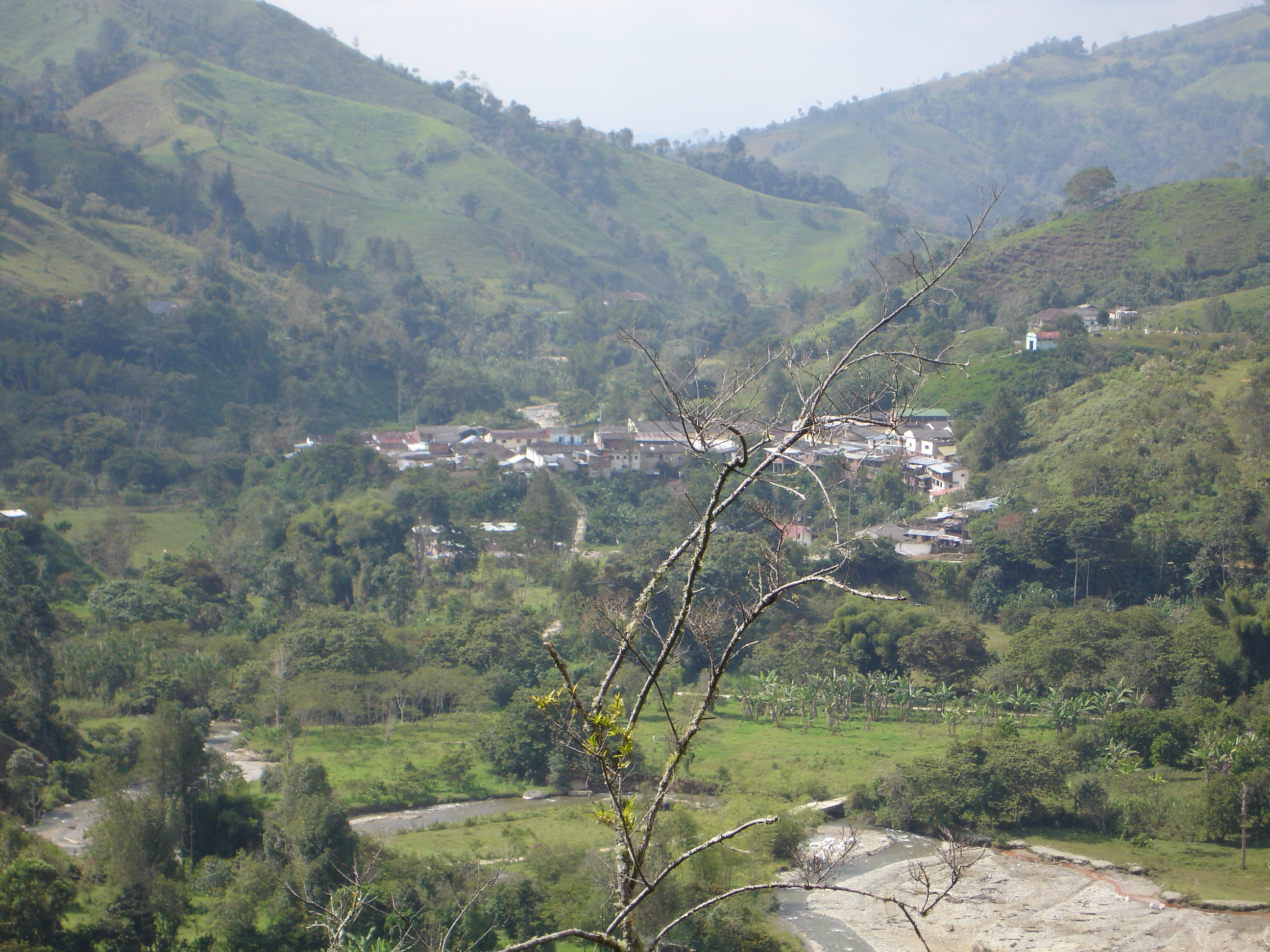
Time is flying and I am finalizing my second research phase, asking grassroots development initiatives to evaluate the support they are receiving to build joint capacities. To be able to speak with rural development initiatives, I was invited to spend a week with a peasant family in the vereda St. Ana of Santa Cruz de la Colina.

Santa Cruz de la Colina, Matanza, Colombia

Continue reading

DERREG film Westerkwartier

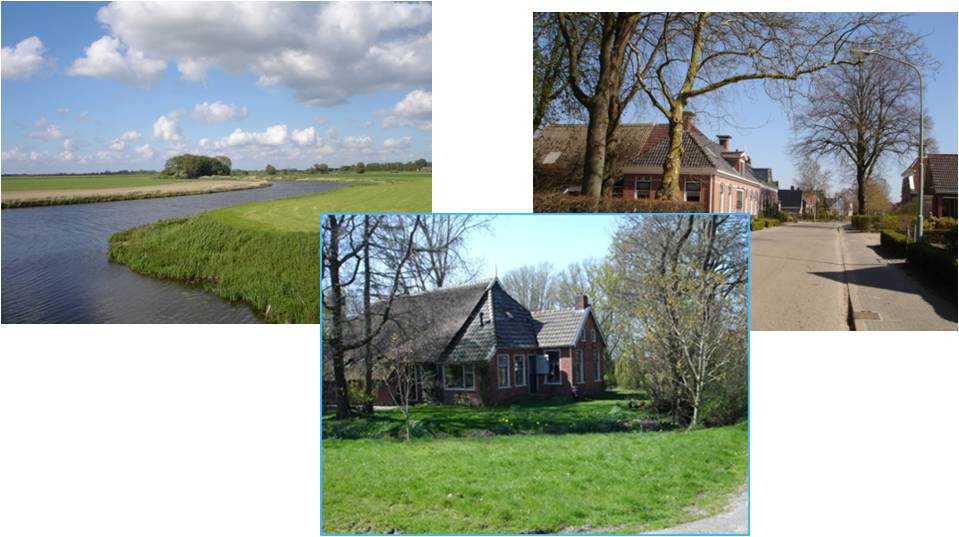
Over the last 3 years, we have been carrying out research in the Westerkwartier concerning global influences on rural regional development.

The Westerkwartier, Groningen Province, The Netherlands

This research was carried out as part of the European project DERREG. The Westerkwartier was involved in two work packages of the project: 1. Investigating arrangements through which public support for joint learning and innovation is provided to development initiatives active in the region (WP4) and 2. Investigating global networking activities among rural businesses in the Westerkwartier (WP1).

In the summer and fall of this year, three film students from the University of Aberystwyth in Wales made their way around Europe to visit all case study areas and to film the present development activities. In the Westerkwartier, the film focuses on our research conducted for WP4 (joint learning and innovation). In this film, several supporters as well as the beneficiaries were interviewed. Their stories describe the development activities in the Westerkwartier very lively and give a feeling of the enthusiastic and motivated engagement of the denizens in developing their Westerkwartier. The film is available on YouTube and can be viewed here. Enjoy!