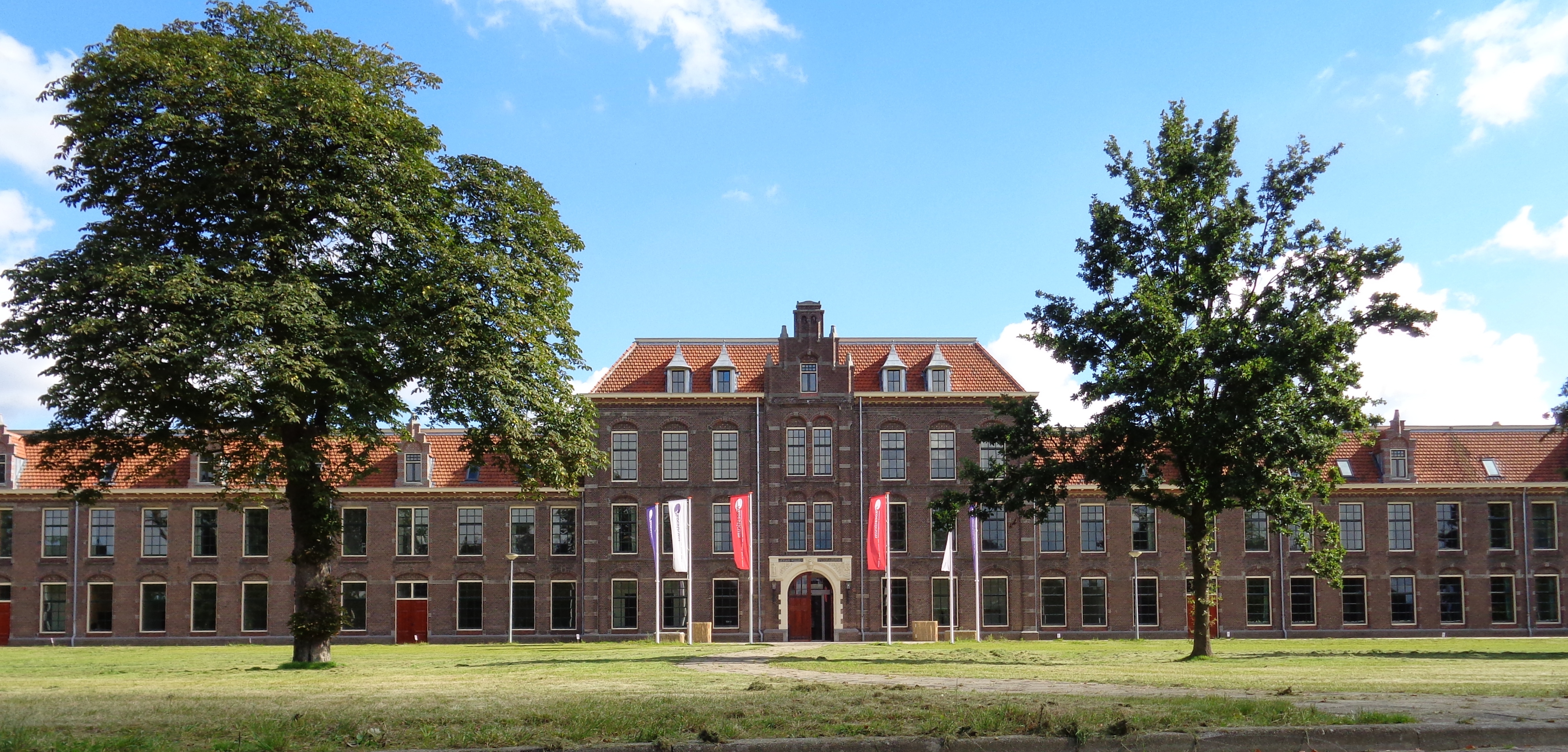
Reminder – Vacancy Assistant Professor in Food Sociology (tenure track)

At the Rural Sociology Group we have a job opening for an Assistant Professor (tenure track position) in Food Sociology. As assistant professor you will undertake independent research and participate in international research projects focusing on the dynamics of food provisioning practices and processes and on the relations between food provisioning and sustainable rural and urban development. You will also teach and coordinate Bachelor and Master courses for the Bachelor and Master program International Development Studies (specialization Sociology of Development), the Master program Food Technology (specialization Gastronomy), and the Master program Organic Agriculture and supervise Master thesis research for these programs. Other aspects of the job include project acquisition, training and supervision of PhD students and participation in various research and/or education committees. About 45% of your time will be spent on education, 45% on research and the remaining 10% on a variety of activities within and outside the university.

For more information about the position (and the Rural Sociology Group) go to the vacancy page of Wageningen University or contact Prof.dr. Han Wiskerke (han.wiskerke@wur.nl). Candidates can apply for this position onlineThe deadline for application is Thursday 14 September 2017.
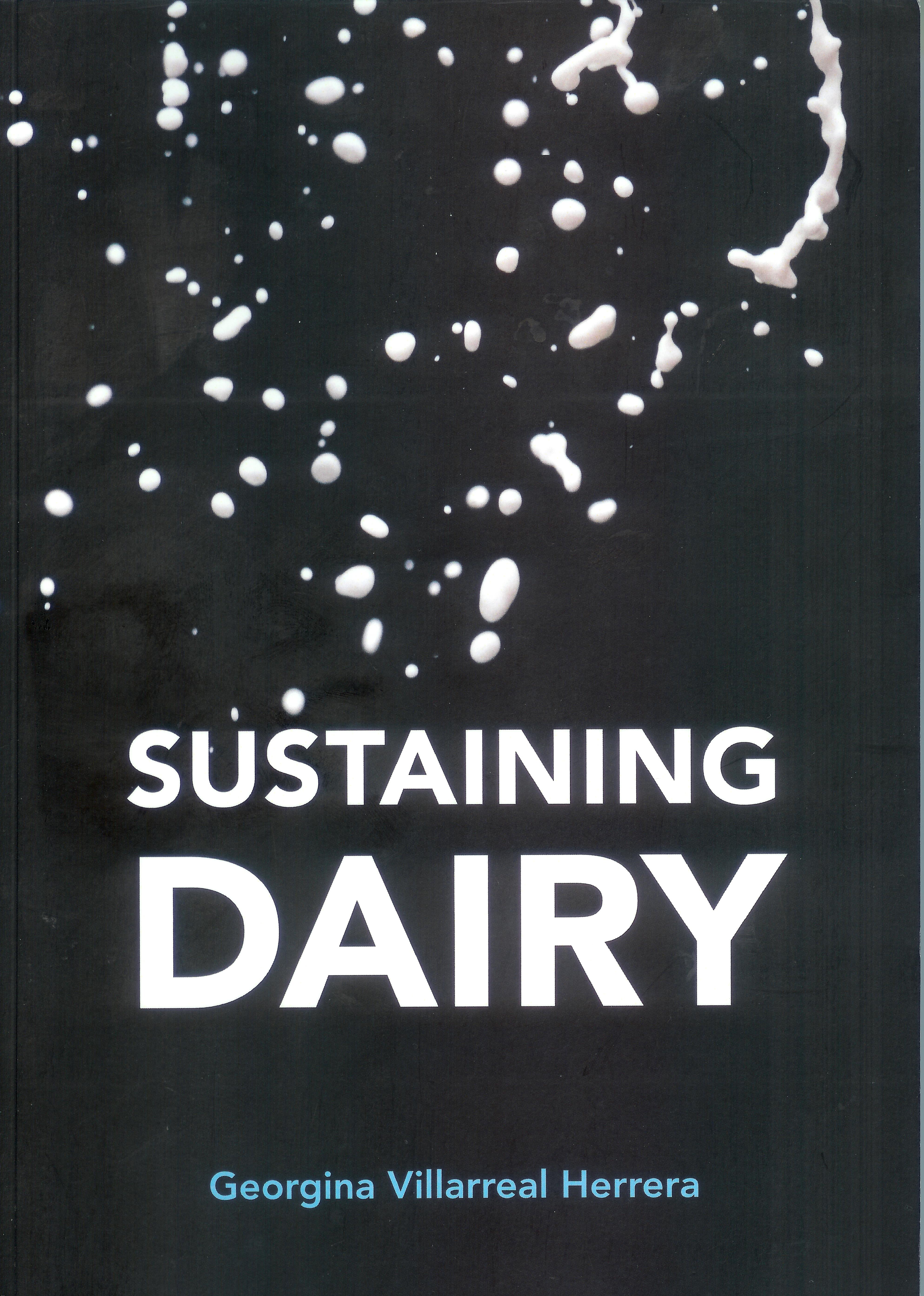
Sustaining Dairy – PhD thesis by Georgina Villarreal Herrera

On Monday 26 June 2017 at 13.30 hrs Georgina Villarreal Herrera will defend her PhD thesis entitled ‘Sustaining Dairy’ in the Auditorium of Wageningen University. The ceremony will be live streamed by WURTV but can be viewed later as well.

The full thesis will be available online after the defence ceremony.


Summary of the PhD thesis

Dairy in Europe has undergone many changes in the last few years—the abolition of milk production quotas being a fundamental one. This study explores these changes in relation to the sustained social and environmental viability of the sector and how dairy processors’ sustainability programs are a part of that.

This study traces the evolution of the dairy sectors in the Netherlands, Ireland and the United Kingdom since the post-war era, outlining the dominant logic that has guided their development. The analysis shows that the post-war logic based on the increase of scale and intensification of dairying has continued to shape the development of the sector through today. While the visible impacts of intensive dairy have led to adaptations to the dominant rules and practices, these changes have not been fundamental in nature. The analysis of dairy processors and their sustainability programs revealed that these programs can be an additional tool for compliance to legal standards and the alleviation of pressing societal concerns. However, processors address social and environmentally relevant dairy-related challenges when an effective link to profit can be established. These programs have been unable to ensure that the dairy sector operates within established environmental limits and societal expectations, while providing a stable livelihood for farmers.

Feeding Dar es Salaam: a symbiotic food system perspective

On Thursday 22 June 2017 at 11.00 hrs Marc Wegerif will defend his PhD thesis entitled ‘Feeding Dar es Salaam: a Symbiotic Food System Perspective’ in the Auditorium of Wageningen University. The ceremony will be live streamed by WURTV but can be viewed later as well.

The full thesis will be available online after the defence ceremony.

Marc is currently Land Rights Policy Lead for Oxfam and based in Johannesburg, South Africa. Before that he was in Dar es Salaam (Tanzania) as Food and Land Rights Advisor for Oxfam with a focus on Horn, East and Central Africa. During that time he also undertook the fieldwork for his PhD thesis.

His thesis is based on qualitative research that explored the food system which feeds most of the over 4.6 million residents of the fast-growing city of Dar es Salaam in Tanzania. Marc followed key foods (maize, rice, potatoes, green vegetables, eggs and milk) from the urban eaters to the retailers, processors and primary producers.

What has been found is a “symbiotic food system” made up of multitudes of small-scale and interdependent actors that together produce the food and get it to urban eaters at a city feeding scale. They do this without any vertically – or horizontally – integrated corporate structures.

The symbiotic food system that feeds Dar es Salaam is not perfect, but it is working and worthy of further research and interventions to create a more enabling environment for such foods systems to flourish in Tanzania and elsewhere.

What if the Trucks Stop Coming? – PhD thesis by Cheron Constance

On Wednesday 21 June 2017 at 13.30 hrs Cheron Constance will defend her PhD thesis entitled ‘What if the trucks stop coming? Exploring the framing of local food by cooperative food retailers in New Mexico’ in the Auditorium of Wageningen University. The ceremony will be live streamed by WURTV but can be viewed later as well.

The full thesis will be available online after the defence ceremony.


Summary of the thesis

Proponents of local food cite a variety of economic and environmental advantages of short food supply chains. Consumer interest in local food has also offered a point of differentiation for many players in the food industry, including restaurants and grocery stores. Engaging with local food has significant challenges, however, and many production and distribution systems engender and support more diffuse food provisioning, not less. Though food can travel thousands of miles from its point of origin to consumption, many cooperative (co-op) grocery stores have long sold locally-produced food and have deep ties to their supplier communities. This thesis offers case studies of two co-ops in the natural and organic food sector and examines how they think about and work with local food. The theories of embeddedness (after Polanyi) and diverse economies (from Gibson-Graham) undergird the analyses of these co-ops’ involvement with local food and how the cooperative business model relates to it.

Kick-off Horizon 2020 project ROBUST

Recently a Horizon 2020 grant of € 6 million was awarded for a project entitled ‘Rural-Urban Outlooks: Unlocking Synergies’ (ROBUST). ROBUST has started on the 1st of June 2017 and is coordinated by Han Wiskerke of the Rural Sociology Group.

The overall goal of ROBUST is to a) advance our understanding of the interactions and dependencies between rural, peri-urban and urban areas, and b) identify and promote policies, governance models and practices that foster mutually beneficial relations.

The project focusses on five domains of urban-rural relations & interdependencies: 1) New businesses and labour markets; 2) Public infrastructures and social services; 3) Sustainable food systems, 4) Cultural connections, and 5) Ecosystem services. These domains will be studied in 11 place-based living labs: Ede (Netherlands), Tukums (Latvia), Helsinki (Finland), Mid-Wales (UK), Gloucestershire (UK), Frankfurt-Rhein-Main metropole (Germany), Ljubljana Urban Region (Slovenia), Styria (Austria), Valencia (Spain), Province of Lucca (Italy) and Lisbon and Tagus Valley Region (Portugal). Each Living Labs will focus on three domains of urban-rural relations. Domain-specific lessons and experiences will be shared across Living Labs in thematic Communities of Practice (five in total, each covering one of the aforementioned domains of urban-rural relations).

In each Living Lab a research organisation (university, research institute or consultancy firm) will collaborate with a local or regional authority. For the Dutch case the Rural Sociology Group will collaborate with Ede Municipality. In total the ROBUST consortium consists of 24 partners: 11 research organisations, 11 local or regional authorities and two umbrella organisations: the Peri-Urban Regions Platform Europe (PURPLE) and the European Secretariat of the International Network of Local Governments for Sustainability (ICLEI Europe).

The kick-off meeting will take place on 7, 8 and 9 June in the Akoesticum in Ede. The website of the project is expected to be ready by September 2017. For more information about ROBUST, please contact one of the members of the RSO ROBUST team: Han Wiskerke, Henk Oostindie, Rudolf van Broekhuizen, Jessica Duncan and Bettina Bock.