IFSA 2012 workshop ‘The meaning of semi-subsistence farming in different cultural contexts’

Together with Imre Kovach and Catherine Darrot,  I will be hosting a workshop at the IFSA symposium in Aarhus, Denmark from the 1st of July until the 4th of July 2012.

The workshop is aimed at exploring the multiple meanings of semi-subsistent food production strategies in different cultural context. Two questions are at the centre of attention: 1) How has the meaning of semi-subsistent food production changed over time for producers, society and institutions? and 2) What recommendations can be derived from the research for policy makers of multi-state institutions (e.g. EU?). We invite researchers from diverse countries to present their empirical research in order to stimulate a fruitful discussion and knowledge exchange.

The deadline for submitting abstracts is the 31st of December 2011.  More information and a link to submitting your abstract can be found here. I hope to see you there!

Scriptieprijs Slow Food uitgereikt aan Elisa de Lijster

Tijdens een debatavond onder de noemer ‘Slow or cheap: that is the question‘ over de aanstaande hervorming van het Europees gemeenschappelijk landbouwbeleid georganiseerd door de Youth Food Movement (zie korte toelichting hieronder) is: 

de Jan Wolf scriptieprijs uitgereikt aan de 2 scripties die volgens de jury het meest bijdragen aan het verder ontwikkelen van het SlowFood gedachtengoed. Juryvoorzitter Michiel Korthals (hoogleraar in Wageningen) beloonde de bachelor-scriptie Sanne de Wit over de gezondheidseffecten van gemeenschappelijke stadstuinen en de master-scriptie van Elisa de Lijster over vergroening en vermaatschappelijking in het Gemeenschappelijk Landbouw Beleid, met de prijs van 500 euro en een publicatie op de website van SlowFood.

We hebben het afstudeeronderzoek van Elisa de Lijster mogen begeleiden. We zijn dus niet de enigen die lovend zijn over haar sciptie. Zie een post van Elisa voor een korte toelichting op haar MSc-thesis. 

De Youth Food Movement is een jongerenbeweging die zich inzet voor een eerlijker en gezonder voedselsysteem. De manier waarop voedsel tegenwoordig wordt geproduceerd en geconsumeerd is namelijk verre van duurzaam. In het Westen consumeren we te veel en te ongezond. Tegelijkertijd zijn er delen van de wereld die kampen met ernstige voedseltekorten. De huidige productie brengt schade toe aan mens en milieu. Steeds meer mensen raken vervreemd van hun voedsel en hierdoor verliezen we waardevolle kennis en cultuur.

Een van de projecten van de Youth Food Movement betreft de GLB-hervorming: CAP2013. Samen met het Nederlands Agrarisch Jongeren Kontact (NAJK) heeft YFM een videoblogserie ‘GLB – De toekomst van ons voedsel’ van gemaakt. In zes aflevering worden jongeren bezocht die dagelijks met het GLB te maken hebben.

Presenting my Colombian case study area

During the last two weeks, I was in Bogotá to talk to experts from the IER at the Javeriana University as well as the Ministry of Environment and Sustainable Development to find out about public support for joint capacity building in rural Colombia. Now, I am back in the department of Santander to start my field work.

In order to be able to do an in-depth study of a) how support for joint capacity building in rural areas is organized and b) how this support is evaluated by its beneficiaries, I narrowed my case study area down to one municipality: Floridablanca.

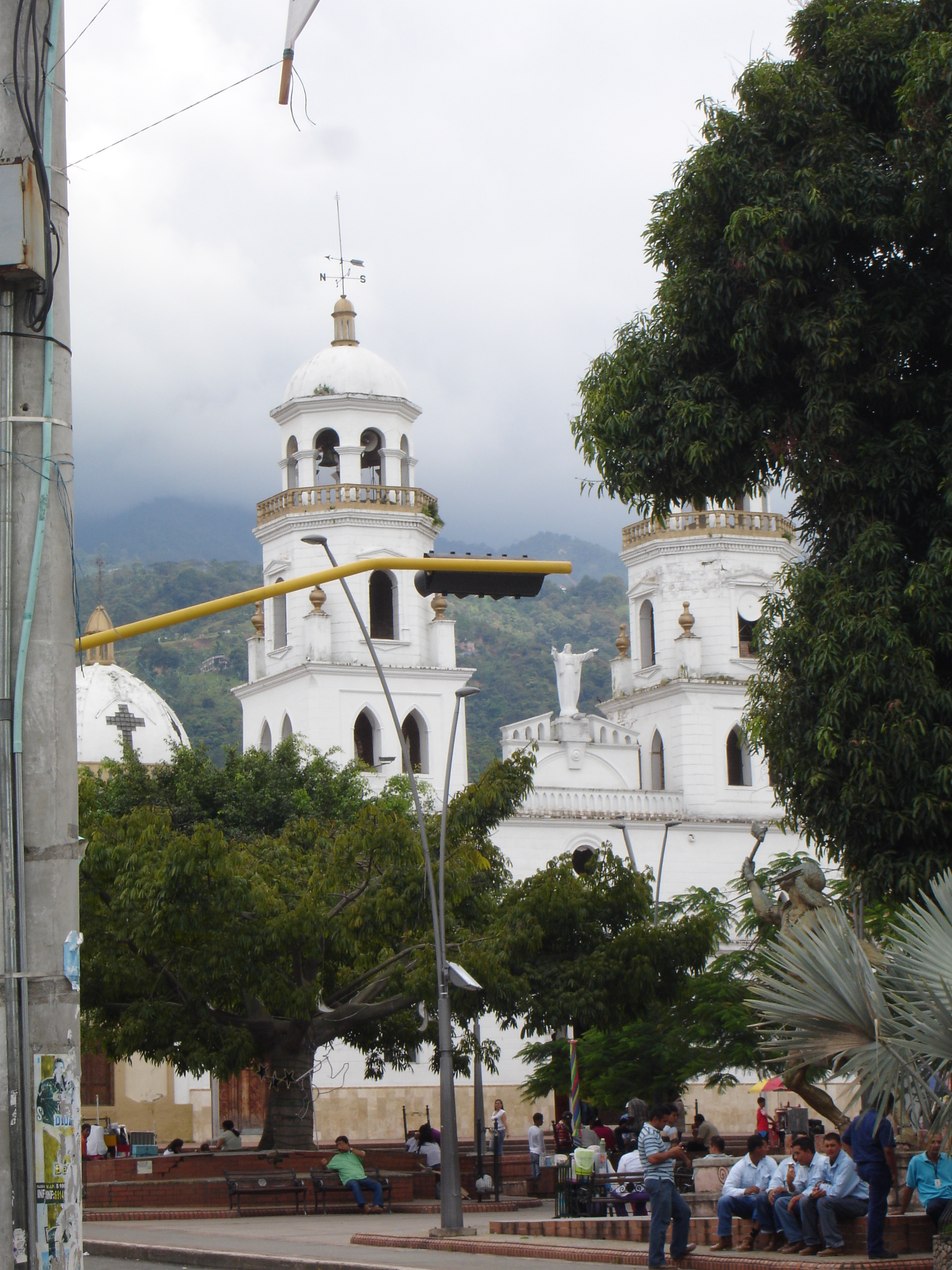
Main square in Floridablanca

Continue reading

Excursion to Los Maklenkes nature reserve

Last Monday (21st of November), I participated in a field trip to Los Maklenkes nature reserve on top of the mountain La Judía in the municipality of Floridablanca, close to Bucaramanga. This nature reserve is managed by the peasants living around the reserve and, amongst others, sponsored by the Dutch state lottery. The field trip was part of the festival for urban-rural dialogue, in which I participated the previous weekend.

Los Maklenkes Nature Reserve, Floridablanca, Colombia

The day started with a gathering of all participants to make our way up the mountain to the nature reserve. It was an adventurous drive with 16 people in one Jeep, going up steeper and steeper mud-paths. I dared not to look to the right where the mountain was falling as steep to the ground as the road was crawling up.

Upon arrival at the entrance of the park, we were greeted by the local peasants and informed about the history of the nature reserve and its aim to protect biodiversity and water reservoirs. Following the introduction, we switched into our rubber boots and commenced with a three hour hiking tour through the reservoir.

Getting ready for our hike

Here, we saw the organic agro-forest farming activities which are being initiated under the facilitation of Fundaexpresión, a local NGO for promoting participatory research activities and education in peasant communities. I saw plantain and banana trees, coffee plants and avocado trees.

Banana tree

Following our hike, we settled in the communal house of the reserve to discuss nature protection activities in the high Andes and their impact on the livelihoods of peasants. At the end of the discussion, it was agreed that the provision of information and the creation of knowledge at local level was the most crucial point in enabling local peasants to deal with the resulting pressures on their livelihoods. The provision of information and the facilitation of capacity building were, however, regarded as poor. It was agreed that more attention must be given to the provision of information and the facilitation of capacity building at local level should peasants be enabled to deal with pressures on their livelihoods resulting from nature protection activities.

II Festival de Expresiones Urbanas y Rurales: Diálogo por la Diversidad y Buen Vivir, Bucaramanga, Colombia

Last weekend (18-20 of November 2011), I was able to participate in the II Festival for urban-rural dialogue in the barrio La Joya in Bucaramanga, Colombia. The festival was visited by peasants (such as fishers, women groups, and farmers), indigenous groups as well as knowledge brokers from all over Colombia, Costa Rica, Venezuela and Cuba. In addition, urban citizens from Bucaramanga, and La Joya in particularly, participated in the event. This mix of participants created a valuable learning environment for everyone (including me), and resulted in new ideas and organisations amongst the participants. In a way, this festival reminded me of the rural cafés I visited in the Westerkwartier, the Netherlands.

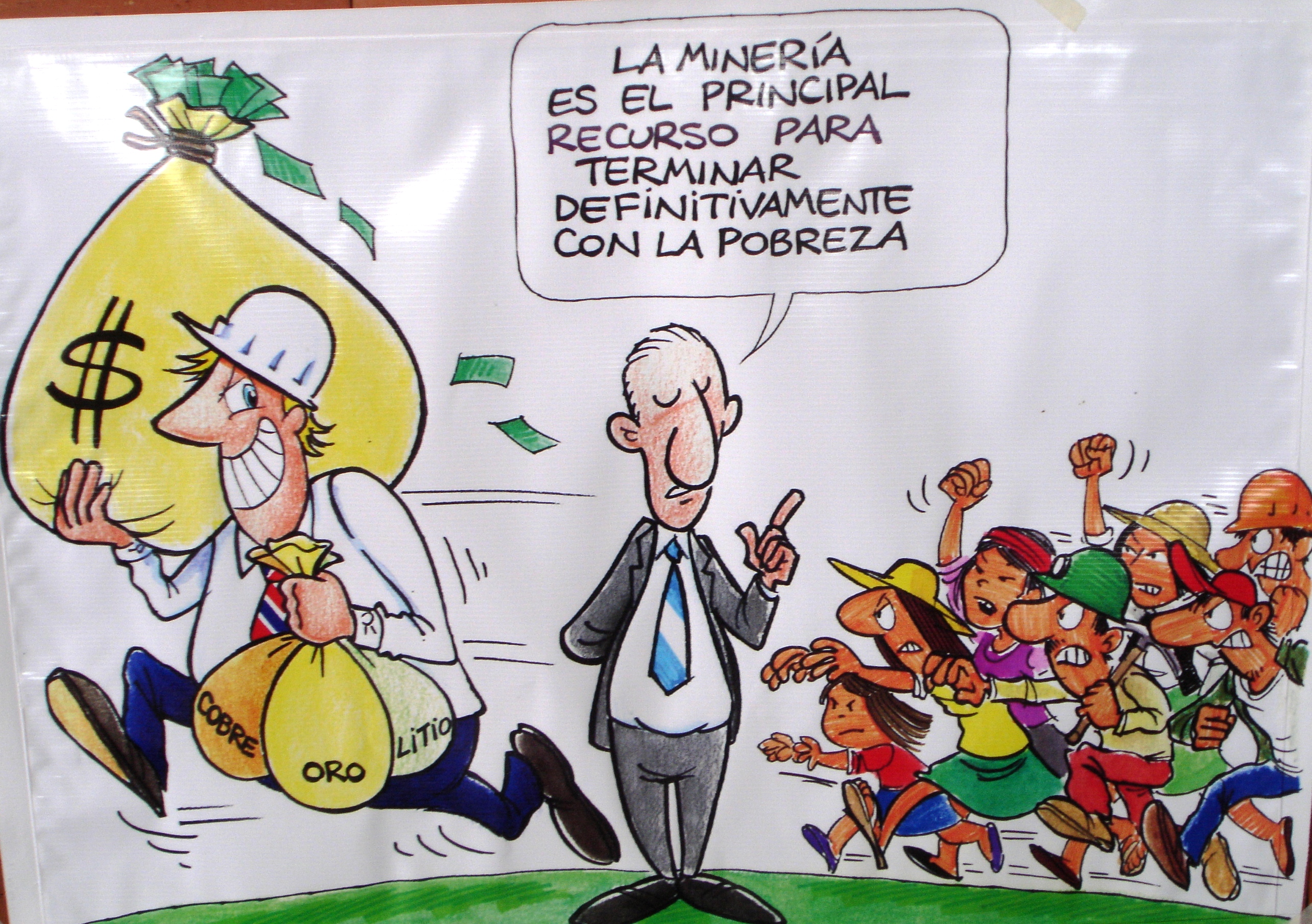
The overall theme of the event was the environmental conflicts in rural Colombia resulting on the one hand from the numerous (and often multinational) economic exploitation activities (e.g. gold mining, hydroelectric power activities and monoculture) and on the other hand from conservation activities.

Poster presented at festival

Continue reading